

Your alternator provides power to the electrical system of your device, but what is the source of its power? This is thanks to the belt drive system of the engine. On some older equipment, there are often multiple separate belts connected to the engine crankshaft via pulleys. Each belt or belts is responsible for powering one or more accessories, such as alternators, water pumps, engine cooling fans, and air conditioning compressors. These older belts often have a thick V-shape in cross-section, hence the name “V-belt”. Newer, more modern devices generally use a longer, wider belt that winds around the pulleys of all front-end attachments like a snake, hence the name “Serpentine Belt”. Many new serpentine belts have a cross-section consisting of multiple tiny V-shaped pits, so you may come across terms like “Multi-Rib Belt” or “micro-V belt ” when looking for parts. So, how much does an alternator belt cost?
What Does the Alternator Belt Do?
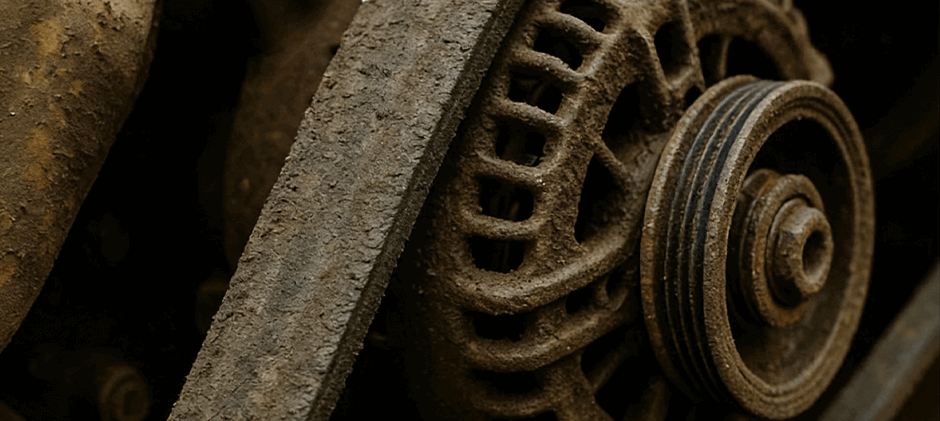
The alternator belt—usually part of a bigger serpentine belt setup on modern machines—is the heart of your engine’s accessory drive system. The engine’s crankshaft powers this rubber belt. Winding around a stack of pulleys, it powers a variety of vital components. Even though it’s called an alternator belt, it doesn’t just serve alternators. The belt mainly powers:
- Alternator: Generates electricity and can charge batteries. It is needed for the machine’s electronics, lights, and cab controls.
- Water Pump: Push coolant through the engine to prevent it from overheating during vigorous operation.
- Engine Cooling Fan: Pulls air through the radiator.
- Hydraulic Pumps: On some models, the belt also helps run pumps for steering or other hydraulic functions.
Without this belt, the battery will drain quickly and the engine overheats. It always runs with tension, heat, and stress. So sooner or later, you will replace it.
Factors that Influence Alternator Belt Costs
Replacing the alternator belt on heavy equipment can cost you a pretty wide range of money. It’s not just the belt price—it depends on a bunch of factors. For most heavy-duty machines, you’re looking at a total cost between $150 and over $800. Here’s what decides where your bill lands in that range.
- The belt itself (parts cost): A belt can run you anywhere from $50 to $300. A basic V-belt for a smaller machine is on the cheaper side. But a long, fancy serpentine belt for a big excavator or haul truck, especially an OEM one, will cost you more.
- Labor costs (the biggest factor): Mechanics usually charge $100 to $200 an hour. Swapping a belt on an easy-to-reach engine might take just an hour. But if you’ve got a compact machine with a tight engine bay, the job could take 3–4 hours—you might even have to take other parts off just to get to the belt. Also, if you call a mechanic to come to your job site (field service), that’ll cost more than getting the work done in a shop.
- Machine type and how easy the belt is to get to: Your machine’s design makes a huge difference. Changing a belt on a skid steer—where the engine is all squished together—is way more time-consuming (and pricey) than on a big dozer with an open, easy-to-reach engine compartment.
Are There Other Parts You Should Replace at the Same Time?
When a mechanic’s already in the engine bay and has the belt off, that’s the perfect, most budget-friendly time to check and fix the parts right around it. There are two key parts you need to check—and probably replace—along with the belt:
- Belt tensioner: It keeps the belt tight. A spring-loaded arm or a manual can adjust to hold steady pressure on the belt. If the spring and pulley bearing wears out, the belt will slip, squeal, or even fly right off.
- Idler pulleys: These are free-spinning pulleys that guide the belt along its path. Just like the tensioner pulley, their bearings wear out over time. First, you’ll hear some noise, then the pulley might lock up—and that’ll tear your brand-new belt to pieces.
Changing out the belt, tensioner, and idlers all at once is the smart call. It gets the whole system back in tip-top shape, makes your new belt last as long as possible, and saves you from shelling out for the same labor again when another part craps out a few weeks later.
How Often Should You Get the Alternator Belt Replaced?
Heavy equipment maintenance is tracked by operating hours. Most manufacturers say you should check the serpentine belt at every service interval, and plan to replace it fully every 1,500 to 2,000 operating hours.
But that’s just a general rule of thumb. Always check your machine’s own service manual for the exact recommended timing.
Tough working conditions—like extreme heat, dust, and debris—can speed up wear and tear. So doing regular visual checks is super important.
Common Signs Your Alternator Belt Needs Replacement
Usually, before the belt fails completely, some warning signal will appear in the device in advance. Ignoring these signs can lead to sudden downtime. Please note the following common situations:
- A harsh squeaking or high-pitched noise: This usually indicates that the belt is slipping, and common causes include belt wear, oil contamination, or abnormal tensioner operation.
- Obvious wear on the belt surface: Check one side of the belt rib groove for cracks, edge wear, or a smooth, shiny surface (glazed). These conditions indicate that the rubber has aged and the grip has decreased.
- Battery or charging system warning light illuminates: When the belt slips and the generator speed is low, the battery will not charge properly and a warning prompt may appear on the instrument panel.
- Engine temperature increased: If the belt cannot effectively drive the water pump or cooling fan, the cooling system efficiency will decrease and the engine temperature may increase rapidly.
How to Save on Alternator Belt Replacement?
Replacing an alternator belt is a necessary cost, but there are smart ways to keep more cash in your pocket.
- Go for quality aftermarket parts: This is the best way to save money on parts without skimping on reliability. Original parts cost a pretty penny. A trusted aftermarket supplier can hook you up with belts, tensioners, and pulleys that meet or even exceed standards—for way less money.
- Do the replacement yourself (DIY): If you’ve got the right tools and know your way around engines, swapping out a belt is totally doable. This cuts out the expensive labor costs entirely, so your only expense is the parts themselves.
- Combine this job with other maintenance work: Replace the belt system during a scheduled service, like a 1000-hour checkup. The machine’s already being worked on, so you don’t have to pay for a separate service.
- Do regular visual checks: A quick 5-minute look at your belts every work week. That way, you can schedule the repair instead of shelling out for emergency service when the belt fails mid-job.
Summary
A lot of common repair and maintenance jobs can be done by yourself—and that’ll save you a good chunk of cash, especially if your machine’s belt setup is pretty simple. Replacing a serpentine belt, idler pulleys, and tensioner usually just needs a set of properly sized socket wrenches and screwdrivers. Don’t forget to grab all the tools and parts you need from FridayParts. And be sure to check your machine’s service manual or a reliable video tutorial first—this way you can make sure every step is safe and you get the replacement done right.
