

When was the last time you changed your engine coolant? Many operators overlook it until something unexpected happens and costs them arms and legs. In this guide, we’ll learn how often to change coolant in your heavy equipment and explain why regular coolant changes can save you from costly repairs.
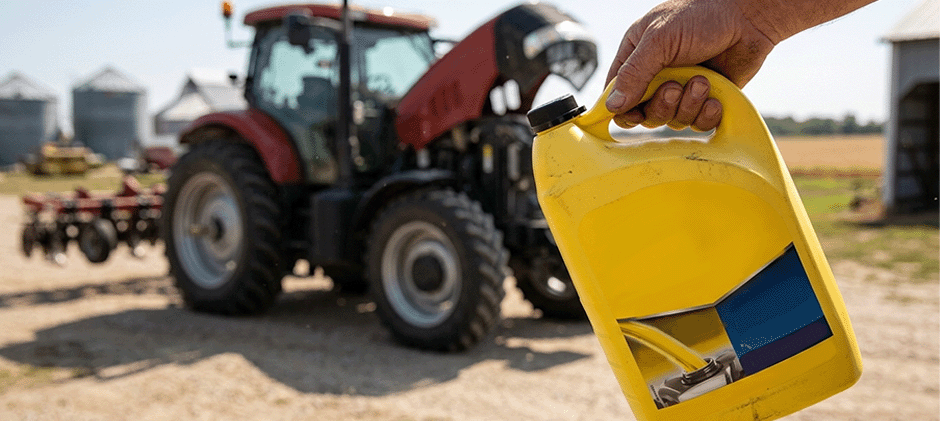
When Should I Change Coolant?
Maintaining the fleet’s cooling system level with the right type of coolant is a common concern for all heavy equipment operators. Also, it is crucial to know coolant change intervals. The coolant serves as a protector for the engine with its anti-corrosive properties, but it can get acidic over time and damage the cooling system as well. As a result, you may suffer from costly coolant leaks and blockages. The question remains, though, how often should I change my coolant?
Most manufacturers advise you to change coolant every 2 years or 600 to 700 hours. And for some advanced-technology coolant, they can last for 5 years or 1,200 to 1,500 hours. However, this is dependent on the make and manufacturer. Always check your owner’s manual to see what’s best for your machinery.
Types of Coolant and Their Lifespan
Coolant comes in different types and knowing which one to choose is crucial:
- Conventional Coolant (Green): Typically lasts 2 years or 1,000 to 2,000 operating hours
- Extended-life Coolant (Orange or Pink): Often lasts up to 3 to 5 years or 4,000 to 6,000 hours.
- Hybrid Organic Acid Technology (HOAT) Coolant: Can last 5 years or 6,000 hours.
Operating Conditions Also Play A Part
The life of coolant depends on the brands, the make and model, as well as the operating conditions. For heavy equipment that operates in harsh conditions, you may need to change your coolant more frequently. The heavy loads and extreme cold or hot temperatures put extra stress on your cooling system, leading to faster coolant degradation. So, you must notice the warning signs of coolant change.
Signs You Need to Change Your Coolant
If you’re not sure when you changed your coolant last time, you can look for these warning signs:
- Discolored or Dirty Coolant: A healthy coolant appears in bright and clear colors. It is usually green, orange, pink or blue, depending on the type. If yours look rusty or murky or have floating debris in them, it’s time for a change.
- Overheating Engine: Engine overheating can happen due to many aspects, but a rising temperature gauge or frequent overheating can signal your cooling system is failing. Check your coolant before it escalates into severe engine damage.
- Coolant Leaks: If you notice a puddle of green, pink or orange liquid under your equipment, you may have a coolant leak. Insufficient coolant can quickly cause your engine to overheat. See How to Repair A Coolant Leak here.
- Sweet Smell: If you smell a strong sweet scent when operating, it means a heater core leak. It can lead to poor heating in the winter and coolant loss, thus bringing about damage to your engine.
- Dashboard Warning Lights: If your temperature warning light or low coolant indicator is on, don’t ignore it. That’s your equipment’s way of telling you something went wrong.
Why Does Regular Coolant Maintenance Matter?
Your coolant might leak from a worn reservoir and lead to many costly issues. Skipping coolant changes doesn’t seem like a big deal until you get hit with an expensive bill. Here’s why keeping regular coolant changes is a must:
- Prevent Engine Wear and Corrosion: Stale Coolant loses its ability to prevent rust. This can lead to corrosion inside your engine and radiator, causing blockages and costly repairs.
- Avoid Head Gasket Failures: A blown head gasket is often attributed to poor coolant maintenance. If you don’t change your coolant as it should, you will have a thousand-dollar bill.
- Protects Your Radiator and Water Pump: Your coolant helps lubricate your water pump. If it degrades, your water pump can wear out faster and lead to breakdowns and expensive repairs.
To avoid these undesirable situations, it is recommended to check the coolant level or any signs of cracks.
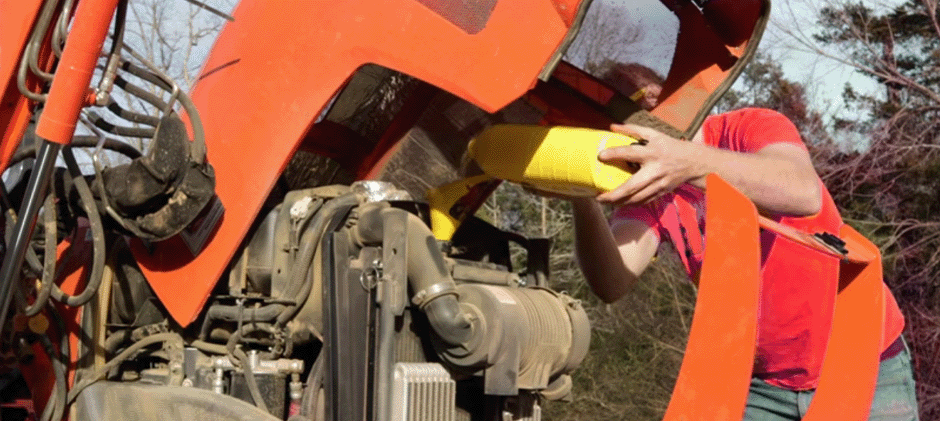
Tips for Cooling System Maintenance
Here are the tips for maintaining a healthy cooling system.
- Always use the right coolant type as specified in your owner’s manual
- Regularly inspect the coolant level and conditions
- Check hoses and connections for signs of wear, leaks or damage
- Ensure the radiator is clean and free of debris to allow proper airflow
- Flush your cooling system to remove any built-up contaminants
Only by keeping these practices can you prevent overheating and ensure efficient engine operation. Need a coolant flush? Here’s a step-by-step guide on How to Do A Coolant Flush?
Frequently Asked Questions About Coolant
Is Engine Coolant the Same as Antifreeze?
No, but they’re closely related. Antifreeze (made from ethylene glycol or propylene glycol) is an ingredient mixed into coolant, while coolant itself is typically a 50/50 blend of antifreeze and water. The water helps transfer heat, and the antifreeze prevents freezing and corrosion. Neither should be used alone. Always follow your equipment’s manual for the correct ratio.
Can I Mix Coolant Colors?
No. Mixing coolants of different types will cause their additives to react badly. They’ll turn into thick gel and sludge, which clog the radiator, heater core and engine lines. This will make your engine overheat badly. Click here for more details.
Is Coolant Flammable or Toxic?
Yes. The coolant is both flammable and toxic. If there are enough coolant leaks on the engine, a fire could occur when the engine is running. Coolant is very toxic to humans and animals. You can use it in your equipment but avoid splashing it on your skin and eyes. Stay away from coolant if you are allergic to it.
Conclusion
Regular coolant change is essential to protecting your cooling system and maintaining the healthy operation of your equipment. Failure to change your coolant as it should can lead to engine damage and costly repairs. Always check your coolant conditions and signs of any cracks on hoses, radiators and other critical components. If you notice the coolant leak and find out the result, you can source a vast selection of high-quality lubrication & cooling system parts to ensure the cooling efficiency and optimal performance of your equipment.
