

Have you ever walked into a freezing garage, turned the key on your tractor and waited, hoping the engine would turn over? Even as winter begins to abate in Northern Michigan, hard cold starts can still feel inevitable, especially when the glow plugs are humming as they should. Many tractor owners don’t realize that spring starting problems rarely begin in spring. In most cases, they are the result of small winter habits that slowly weaken your battery over months of cold storage. So, understanding how winter battery maintenance affects spring reliability is the key to avoiding no‑start mornings when field farming work is ready to begin.
Why Winter Battery Maintenance Matters
Reliable spring starts depend on battery maintenance during winter. Cold starts and infrequent use are two major factors that lead to the wear of internal battery parts and overall degradation.
Cold Starts Drain Tractor Batteries More Than You Think
In winter, cold starts are one of the hardest things you ask a tractor to do. Thickened engine oil, cold hydraulic fluid and internal engine resistance all mean the starter needs far more power than it does in warm weather. On diesel tractors, the situation is even worse. Glow plugs draw power before the engine cranks, so the battery is already working before the starter kicks in. In sub-zero temperatures, the battery can’t deliver enough power. As a result, every cold start becomes a deep drain, even if the tractor starts without a problem.
Infrequent Winter Use Leads to Battery Capacity Loss
During winter, tractors will often sit for a long time. The batteries are still losing charge slowly, even when the tractors aren’t running. Each cold start pulls the batteries down. Short running times or light idling usually don’t put that power back. Over time, this creates a pattern of partial discharge and incomplete recharge. Your tractor may keep starting all winter, but by spring, the battery reserve strength is already gone.
Common Winter Habits That Damage Tractor Batteries
“Can I just idle my tractor?” “It still starts, so it must be fine.” These are common thoughts many tractor owners have during winter. These winter practices may feel protective, but they often allow battery damage to accumulate unnoticed.
Why Idling Your Tractor Does Not Recharge the Battery
You may choose to idle the tractor for ten to fifteen minutes. It seems a reasonable compromise between use and storage. It often feels like enough to recharge the battery. In fact, it doesn’t restore what a cold start consumes. Starting a cold engine drains your battery, and it can’t get enough power back due to the low engine speed. Idling may keep your engine warm, but it leaves the battery undercharged. Over the course of winter, energy is taken out but never fully replaced.
It Still Starts, So Battery Fine?
Judging battery health by whether the tractor still starts is not always reliable. Your tractor batteries don’t necessarily fail all at once. They just lose capacity gradually. It happens more often during winter because partial discharges are common. Your tractor still starts throughout the winter, but each cold start eats up the battery’s reserve capacity. Over time, your battery would not be able to hold and deliver power due to the increased internal sulfation. There are no clear warning signs. On the arrival of spring, your battery may appear fine until the real workload exposes the damage. Your batteries rarely fail with a warning; they fail when you finally need them.
The Most Reliable Way to Protect Your Tractor Battery
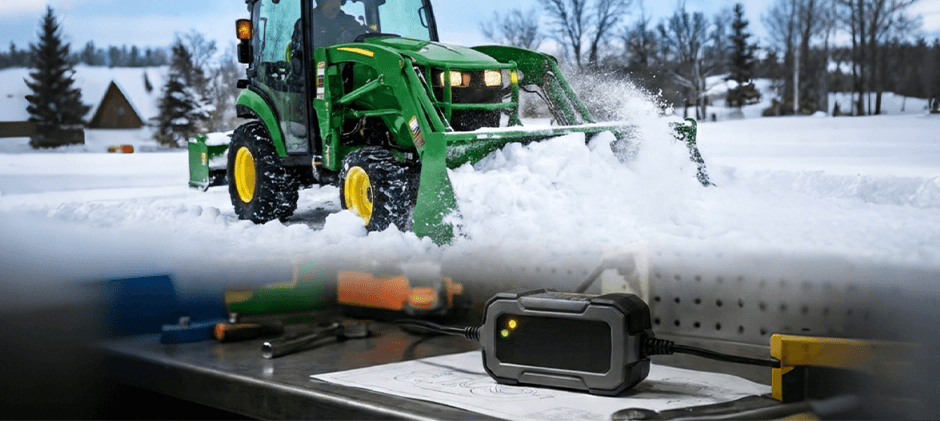
Batteries last longer when they stay charged. During long winter storage, the safest way to protect your tractor battery is to keep it charged rather than starting the tractor once in a while. A battery maintainer does this for you. It replaces the small amount of power the battery loses over time without overcharging it. Instead of straining the battery with repeated cold starts, it lets the battery sit all winter and still be ready when spring arrives.
Tips for Winter Tractor Battery Maintenance
- Clean your terminals. Before winter storage, remove corrosion with a wire brush dipped in a mixture of baking soda and water.
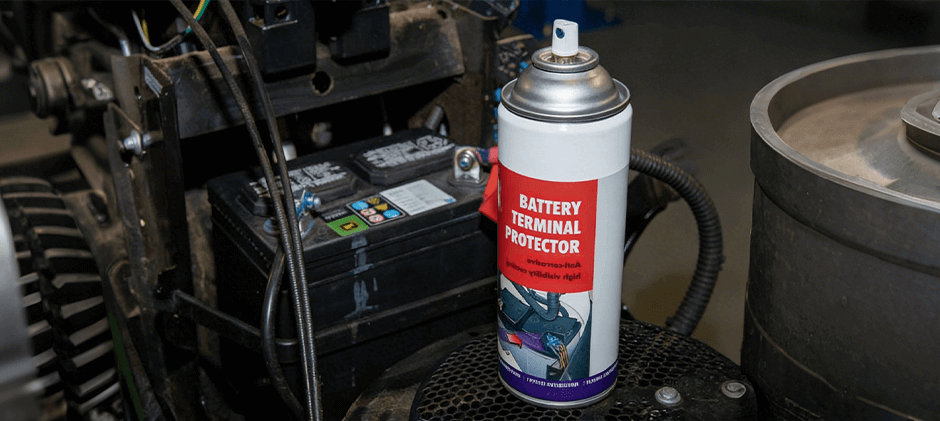
- Keep terminals dry. After cleaning, use a battery terminal protector to keep it dry.
- Charge your battery properly. A battery maintainer or low-amp trickle charger helps prevent discharge during idle periods.
- Check electrolyte levels. When necessary, you can add some distilled water to your serviceable lead‑acid batteries.
- Remove or disconnect. If your tractor will sit for a long time, disconnect the positive terminal or remove the battery directly. Then, store the battery in a cool, dry place.
- Inspect the battery. Before storage, check if your batteries are damaged, cracked or swollen.
Final Thoughts
Spring starting problems rarely appear overnight. They develop quietly during winter storage as batteries lose charge and capacity over time. By keeping your tractor battery properly charged and avoiding unnecessary idling, you can prevent many spring no‑starts. FridayParts offers a comprehensive lineup of battery accessories and tractor parts, ensuring spring readiness for your tractors.
You May Also Enjoy
How to Use a Battery Charger on Heavy Equipment?
How to Identify Positive and Negative Battery Terminals?
Will a Trickle Charger Charge a Dead Battery on Heavy Equipment?
