

The transmission speed sensor is usually mounted on the transmission and monitors the speed of gears and shafts. It sends this information to the ECM or TCM to help control shifting and keep power delivery smooth. In this guide, we’ll cover common bad transmission speed sensor symptoms and explain what causes it to fail.
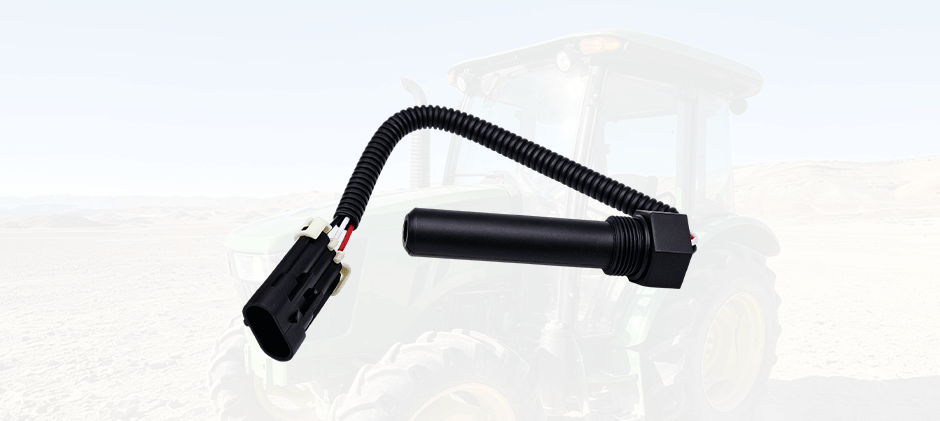
What are the Symptoms of a Bad Transmission Speed Sensor?
Here are the five most common symptoms of a failing transmission speed sensor in off-road and diesel equipment:
Check Engine Light and Other Warning Lights
A bad transmission speed sensor sends wrong or unstable data to your machine’s computer. If the computer gets impossible readings — like the engine running at 2,000 RPM while transmission output speed reads zero — it will store a diagnostic trouble code (DTC) and turn on the Check Engine Light or a dedicated transmission warning light on the dash. Lots of problems can trigger warning lights, but a code linked directly to the transmission speed sensor points straight to this part.
Rough, Slow or Unstable Gear Shifts
The TCM relies on accurate speed readings to shift gears properly. If it doesn’t get good data, you’ll notice these problems:
- Hard Shifting: The transmission jerks or slams into the next gear instead of shifting smoothly. You’ll feel this most when working under load, such as digging with an excavator or pulling heavy loads with a tractor.
- Delayed Shifting: The machine may hold a gear too long and make the engine rev too high, or pause several seconds before shifting.
- Gear Hunting: The transmission keeps shifting back and forth, unable to lock into the right gear for your current speed and workload.
This isn’t just uncomfortable for the operator. Every rough shift shocks the whole drivetrain and puts heavy strain on clutches, gears and internal hydraulic parts. Left unfixed, it causes extra wear and can lead to complete transmission breakdown.
Drop in Power & Performance
A broken speed sensor stops the machine from transferring power effectively. Wrong speed data sent to the TCM can make the transmission shift up too early, dragging down the engine.
In other cases, the machine’s computer will switch to limp mode to save the transmission. Limp mode caps engine RPM and locks the transmission in one gear, usually 2nd or 3rd. You can still move the equipment, but power will be extremely weak, and you won’t be able to get any work done.
Worse Fuel Mileage
A faulty transmission speed sensor drives up fuel usage. If the transmission isn’t in the right gear, the engine has to work harder. It may hold higher RPMs and run outside its most efficient range.
You’ll burn more diesel to finish the same jobs, hurting your profits. The fuel waste might not stand out daily, but you will see a clear difference after weeks of running the machine.
Speedometer or Hour Meter Reading Wrong
On most equipment, this sensor sends data to both the TCM and the dash speedometer. If the speed gauge jumps randomly, shows false speeds or stops working entirely, the speed sensor is likely faulty.
Off-road work doesn’t always depend on the speedometer, but this is a helpful sign for troubleshooting. What matters more: some machines also use this sensor to track operating hours. Bad readings mess up your maintenance plan, making it hard to keep up with oil changes, filter swaps and other essential service work.
What Causes the Transmission Speed Sensor To Fail?
Here are some causes for transmission speed sensor failure.
- Electrical connection issues: Heavy vibration from diesel engines and bumpy ground can loosen wiring or damage connectors. Corroded terminals will also break the sensor signal.
- Contamination: Off-road machines run through dirt, mud, water and hydraulic fluid. If these contaminants get into the sensor connector or cover the sensor tip, the unit can no longer take accurate readings.
- Extreme heat and vibration: These sensors mount on or inside the transmission, where they face high temperatures and nonstop shaking. After thousands of operating hours, harsh conditions wear down the delicate electronics inside and lead to failure.
- Physical damage: Because of where they are installed, speed sensors can get hit by rocks, branches and flying debris. A hard impact may crack the sensor housing or cut its wiring.
- Internal wear: Like all electronic parts, speed sensors don’t last forever. After years of use and constant rotation, internal magnetic components wear out and stop sending steady signals.
Is It Safe to Operate with a Failing Transmission Speed Sensor?
Your machine can keep working with a faulty transmission speed sensor, but don’t put off fixing it. A bad sensor leads to rough shifts, slow response and weaker performance, so the equipment runs less efficiently and is harder to handle.
Over time, wrong speed data wears out transmission parts faster. If you leave this issue alone, you’ll end up with bigger transmission damage and far higher repair bills. Changing a defective transmission speed sensor is generally easier and cheaper than repairing broken transmission components. If you notice hard shifting, laggy gear changes or warning lights, check the sensor and its connected parts without delay.
Final Thoughts
These transmission speed sensor symptoms are signs that your machine needs attention. Don’t wait until a failed sensor starts causing transmission problems. Visit FridayParts.com to find the right replacement transmission speed sensor for your equipment.
