

If you are experiencing a 68RFE weak reverse while your forward gears work perfectly, the most likely culprit is burnt or worn reverse clutch discs. In this guide, we will show you exactly how to diagnose the root cause and choose the right repair option to get your truck moving again.
What Are the Symptoms of a Weak Reverse on a 68RFE Transmission?
Spotting a weak reverse on a 68RFE transmission is pretty easy. The symptoms only show up in reverse, so they’re hard to miss. When this problem starts, power from the engine won’t get to your wheels properly — and it only happens when you put the shifter in reverse. Here are the most common signs:
- High RPM but barely moving: You need to hit the gas harder than normal just to back out of a flat driveway.
- Rolls on hills: Park facing downhill, shift to reverse, and the truck still rolls forward. The trans can’t hold it.
- Doesn’t matter if it’s hot or cold: Reverse stays weak no matter if the trans fluid is cold after sitting all night or hot from highway driving.
- Forward gears work fine: All forward shifts are smooth, no slipping or lag at all.
- Check engine light comes on: Scan it and you’ll get transmission codes, P2701 is the most typical one.
These issues mean only the reverse circuit inside the transmission is broken. It’s not a total trans failure. Since forward gears work normally, you only need to check parts that control reverse engagement.
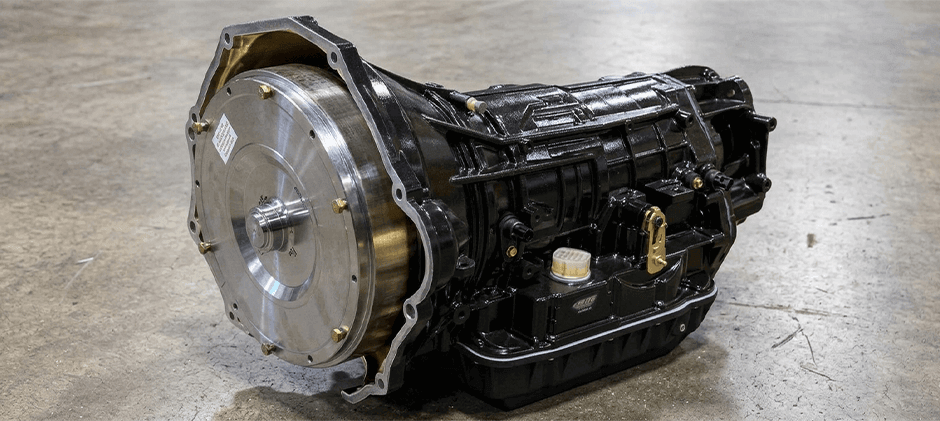
What Causes a 68RFE Transmission to Have Weak or No Reverse?
To fix weak reverse on a 68RFE, you first need to understand how its internal parts work together. This transmission uses hydraulic pressure, electronic solenoids and friction plates to switch between gears. When reverse gets weak, the problem is almost always in one of these three parts.
Why Does My 68RFE Have Weak Reverse but Normal Forward Gears?
It all comes down to how the clutch packs are built inside. Different clutch sets lock and unlock to get different gear ratios. Reverse only uses a small, specific pair of clutch packs.
When you shift into drive, fluid pressure goes to the forward clutch packs. These are totally separate from the reverse clutches, so wear on reverse parts won’t affect them. If the friction lining on reverse clutches wears out, the trans can no longer hold reverse. You end up with weak reverse, but forward gears still run like normal.
If reverse stops working while forward gears are perfect, don’t assume the whole transmission is shot. Start checking only the clutch packs and hydraulic lines that control reverse.
Can a Faulty Valve Body Cause Weak Reverse?
Yes. A failing valve body can make reverse weak, but it’s usually just the start of a bigger problem, not the main damage itself. The valve body is like the transmission’s hydraulic control center. It uses solenoids and small valves to send pressurized trans fluid to the right clutch packs.
When a valve wears out or a solenoid gets stuck inside the valve body, hydraulic pressure drops. Low pressure keeps the reverse clutches from clamping down hard. They slip as they rub against each other. This slipping creates lots of heat and burns up the clutch material fast.
If you find the valve body pressure issue right at the beginning, swapping the valve body may fix everything. But if your truck already has trouble moving backward, low pressure from the bad valve body has most likely wrecked the reverse clutches already.
Can Worn or Burnt Clutches Cause Reverse Failure?
Worn or burnt reverse clutches are the direct reason for weak reverse on a 68RFE. These clutches have friction lining that grabs steel plates to pass engine power. Heavy use can wear or burn that lining off over time.
This kind of damage happens fast under heavy loads. Towing big trailers often, carrying heavy cargo, or running oversized tires puts huge stress on those two reverse clutch packs. Once the friction lining burns away, the steel plates just slide against each other. No matter how much fluid pressure the valve body sends, burnt clutches can’t grip anymore. You lose all reverse power.
How Do You Diagnose Weak Reverse on a 68RFE?
Good diagnosis keeps you from wasting cash on parts that won’t fix the problem. We suggest doing both an electronic scan and checking the trans fluid to find exactly what broke.
What Does P2701 Mean on a 68RFE?
You’ll often pull up code P2701 when troubleshooting this transmission. The full definition is “Transmission Friction Element B Apply Time Range/Performance.” Put simply, the transmission computer tracks how long it takes a certain clutch to lock up after it gets the signal.
If the computer sees the clutch engages too slowly or won’t fully lock, it throws P2701. This can come from a stuck solenoid, damaged wiring, or leaking internal clutch seals that lose pressure. The code tells you there’s a problem in the apply circuit, but you still need extra tests to figure out if it’s an electrical issue or bad physical clutches.
How Do You Tell If the Problem Is the Valve Body or Clutch Pack?
Telling whether it’s a valve body problem or burnt clutches means checking your trans fluid and viewing live data with a scan tool.
First, pull out the dipstick and check the fluid. If the fluid is bright red and smells normal, your clutches are probably still good. That points to a valve body or solenoid issue. If the fluid is dark, gritty, or smells burnt, the clutch friction material has broken down and mixed into the fluid.
Then use a scanner to watch transmission line pressure with the engine running. Compare the target pressure the computer asks for against the real pressure inside the transmission.
| Diagnostic Check | Valve Body / Solenoid Issue | Burnt Clutch Pack Issue |
|---|---|---|
| Fluid Condition | Bright red, clean, normal smell | Dark, gritty, strong burnt smell |
| Line Pressure | Actual pressure is much lower than desired | Actual pressure matches desired pressure |
| Code Behavior | Intermittent codes, clears and returns | Hard fault, slips constantly regardless of codes |
If your scanner shows that the actual line pressure closely matches the desired pressure, the valve body is doing its job correctly. In this scenario, a 68RFE weak reverse with good line pressure confirms that the reverse clutches are mechanically destroyed and cannot hold the gear.
How Do You Fix Weak or No Reverse on a 68RFE?
How you fix weak reverse on a 68RFE all depends on what your diagnostic tests show. There’s no one quick fix. You need to match the repair to the actual broken part.
- If you catch the issue super early: fluid is clean, no burnt odor, and your scan tool shows low pressure. You can drop the trans pan and swap out the valve body. A new or upgraded valve body brings back correct hydraulic pressure for the circuits. Pair it with a new filter and fresh fluid, and you can save the transmission if the clutches are still good.
- But if your fluid smells burnt, or line pressure looks good yet reverse still slips, replacing the valve body won’t do anything. Your reverse clutches are destroyed. The only fix is pulling the transmission out and rebuilding it to replace the burnt friction plates and bad seals.
Conclusion
Fixing weak reverse on your 68RFE needs solid troubleshooting, not guesswork. Check the fluid condition and watch live hydraulic line pressure. That tells you if you only need a valve body swap or a full internal transmission rebuild. When you’re ready for replacement parts, grab reliable 68RFE components from FridayParts. We stock quality valve bodies, clutch plates, seals and filters to get your transmission working right again.
