

2026 favors smart operators, not big spenders. Precision ag, fleet connectivity, automation, and repair costs are changing how farm equipment is purchased and kept in service. That’s the core of global agricultural machinery market trends in 2026. John Deere, Case IH, and New Holland are set to make decisions that hit your purchase price, service bills, and parts availability. Before you sign another deal or delay a repair, here’s what the market is really telling you.
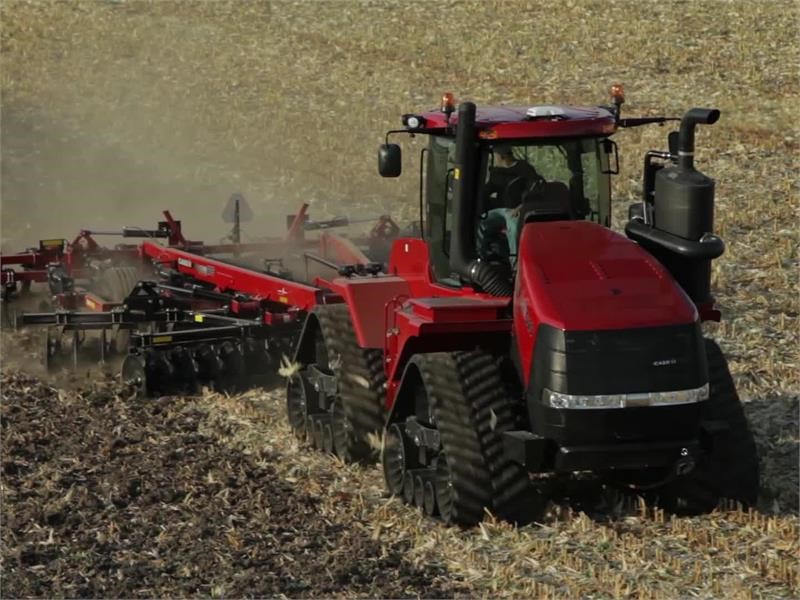
Where The Market Is Heading In 2026
The downturn in farm equipment demand looks closer to its late stage than its beginning, while the longer-term market still points upward. Current market projections suggest farm and agricultural equipment demand will keep growing through the end of the decade, even if 2026 remains uneven by region and machine class. That matters because global agricultural machinery market trends in 2026 are no longer driven by one simple factor like crop prices. They now move with financing costs, replacement cycles, labor shortages, digital farm tools, and repair economics.
For most fleets, five patterns stand out:
- More focus on machine productivity per labor hour
- More demand for guidance, telematics, and field data tools
- Slower replacement of older iron in cost-sensitive operations
- Closer attention to parts access and repair turnaround
- Wider use of mixed equipment fleets instead of single-brand loyalty
This changes what buyers should expect from the major brands. Sales still matter, but support, data systems, and compatibility matter more than they did a few years ago.
What John Deere Is Likely To Do In 2026
John Deere is in a strong position when the market values precision, automation, and connected operations. In 2026, Deere will likely keep leaning into that advantage.
Push More Digital Value Into Core Equipment
You should expect Deere to keep expanding software-linked functions across tractors, sprayers, and combines. That includes guidance, remote diagnostics, machine sync, and tighter links between field records and machine settings. Even farms that do not want full autonomy still want less overlap, cleaner passes, and better fuel use.
For day-to-day operation, that means more emphasis on:
- Display-driven setup
- Data sharing across machines
- Subscription-based digital features
- Faster service diagnostics
This also raises the value of strong maintenance planning. A connected fleet still depends on physical uptime, so dependable tractor filters, hydraulic pump parts, and starter motors remain just as important as the screen in the cab.
Defend Premium Pricing With Uptime And Efficiency
Deere is unlikely to win on lowest purchase price. It is more likely to defend price through labor savings, fuel control, and operating efficiency. If margins stay tight in 2026, Deere may face more pushback from buyers who want practical value without paying for every premium option.
That opens a gap in the market. Many operations will keep Deere machines longer and spend more on repair rather than replacement. For you, that makes planned service intervals and access to John Deere replacement parts even more important.
What Case IH Is Likely To Do In 2026
Case IH often plays well when buyers want field performance without paying for every top-tier digital layer. In 2026, that could work in its favor.
Lean Into High-Horsepower And Practical Precision
Case IH is likely to keep its attention on large-acre fieldwork, strong horsepower segments, and practical precision tools that help reduce operator fatigue and improve field consistency. The brand has room to appeal to operators who want modern guidance and automation help, but still judge a machine by draft power, fuel use, and serviceability first.
You will probably see Case IH continue to stress:
- Row crop and tillage productivity
- High-horsepower tractor value
- Integrated guidance and application accuracy
- Easier transition for conventional operators moving into precision workflows
For machines already in the field, support parts remain central to that value equation. Reliable engine rebuild parts, alternators, and cooling system parts help extend service life when replacement timing is not ideal.
Compete On Fleet Economics
In a mixed or cautious market, Case IH can gain ground if it proves lower total operating cost across several seasons. That matters more than headline horsepower. If new equipment purchases remain selective in 2026, Case IH may benefit from growers comparing whole-fleet cost instead of brand image alone.
What New Holland Is Likely To Do In 2026
New Holland has a chance to stand out in 2026 by staying broad. It covers utility, hay, livestock, specialty, and crop farming segments where flexibility matters more than one flagship machine.
Stay Strong In Mixed Farming And Utility Segments
Among the major global agricultural machinery market trends in 2026, one of the most important is the split between large-scale row crop investment and practical spending on utility equipment. New Holland is well placed in the second group.
You should expect continued focus on:
- Utility tractors
- Hay and forage equipment
- Livestock support machines
- Specialty farm applications
- Easy-to-run technology for smaller crews
That matters because many farms are not buying for maximum scale. They are buying for steady daily output. In those settings, access to loader parts, tractor electrical parts, and water pumps can have more impact on yearly uptime than an extra feature package.
Use Flexibility As A Selling Point
New Holland can also benefit if buyers want simpler adoption of guidance, telematics, or alternative power ideas without a full jump into premium-priced systems. In a market where not every operator wants the same technology level, flexibility becomes a real selling point.
What These Brands Must Get Right In 2026
No matter which color you run, the same market pressures are shaping brand decisions. The biggest brands will need to get four things right.
Keep Technology Useful, Not Just Impressive
Advanced features only matter when they save time, reduce overlap, cut input waste, or prevent downtime. If systems are hard to learn or expensive to keep active, buyers will hold back.
You should watch for:
- Easier display menus
- Better remote support
- Cleaner integration between old and new machines
- Fewer barriers to mixed-fleet data use
Support Older Machines Longer
Many operations will delay replacement in 2026. That means older tractors, skid steers, combines, and loaders will stay active longer. Brands that support this reality with practical parts access and service documentation will hold loyalty better.
In real terms, that means demand will stay firm for fuel system parts, hydraulic cylinder seal kits, and work lights across aging fleets.
Respect The Real Cost Of Uptime
Labor is expensive. Weather windows are short. A machine down for two days during hay, planting, or harvest can erase the value of a lower sticker price. That is why global agricultural machinery market trends now tie closely to parts logistics and repair speed.
Build Around Mixed Fleets
Very few operations run one brand only. The brands that make data flow, implement setup, and repair planning easier across mixed fleets will have an edge. Closed systems may still sell, but open practicality will matter more in 2026.
What You Should Expect As A Buyer Or Fleet Manager
You do not need to predict every market move to make a better equipment decision. You need to know what is likely to affect machine value in the next buying cycle.
Here is a practical view:
| Brand | Likely 2026 Focus | Best Fit For | Main Buyer Watchpoint |
|---|---|---|---|
| John Deere | Precision tools, connectivity, automation support | Data-driven crop operations, high-efficiency fleets | Premium cost versus usable value |
| Case IH | High-horsepower output, practical precision, field performance | Large-acre fieldwork, tillage, row crop operations | Whole-fleet operating cost |
| New Holland | Utility versatility, hay and livestock support, flexible tech adoption | Mixed farms, utility use, daily multi-role work | Feature depth versus simplicity |
Before replacing or adding equipment, check these points:
- Which machine creates the most downtime now
- Whether you need horsepower, hydraulics, or better tech workflow
- How fast you can get wear parts and service parts
- Whether one new unit improves the whole fleet or only one task
- If repair investment gives better value than replacement this year
That last point matters more in 2026 than many buyers expected a year ago.
The Smart Response To 2026 Market Changes
The best response to global agricultural machinery market trends is not chasing every new release. It is building a fleet plan that protects uptime, labor efficiency, and repair control.
A practical 2026 strategy often looks like this:
- Replace only the machines that block core work
- Upgrade technology where it saves clear labor or input cost
- Keep proven units longer with scheduled service
- Stock common failure items before peak season
- Standardize the parts you can across the fleet
For many operations, that means spending less on expansion and more on readiness. A machine that starts every morning and finishes the job still has real market value.
Final Words
The theme for 2026 isn’t buying more—it’s squeezing more value from your existing equipment. John Deere is known for precision, Case IH for practical performance, and New Holland for utility flexibility. When service and repair decide your season, FridayParts provides dependable aftermarket parts, deep stock, and wide brand compatibility at prices that make sense. Protect your uptime, control your costs, and keep your fleet earning all year.
