

A failing A/C compressor ruins your operation experience on the worksite, especially on hot, humid days. Common bad AC compressor symptoms are refrigerant leaks, unusual noises, bad odor and ac blowing hot air, etc. This guide walks you through each of them and how to troubleshoot A/C compressor problems yourself with easy steps.
What Is An A/C Compressor for Heavy Equipment?
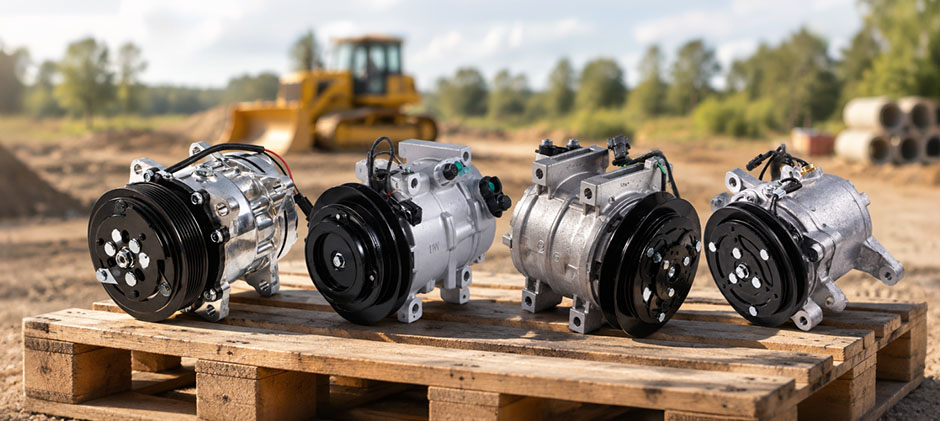
An air conditioning compressor, shortened to A/C compressor, is a critical component in the cooling system of your heavy equipment, such as a Komatsu Dozer D51. It compresses and circulates refrigerant throughout the system. Once the refrigerant absorbs this heat, it moves through the system to release it outside the cab. As a result, the interior air gets cooled. The compressor is driven by a clutch connected to a drive or serpentine belt, which engages when the air conditioning is turned on. If the A/C compressor fails, the entire air conditioning system would be ineffective.
Common Signs of A Bad A/C Compressor
If you have a failed A/C compressor, you may notice the following bad AC compressor symptoms:
Refrigerant Leaks
One of the most obvious signs of a failing A/C compressor is refrigerant leakage. If you notice refrigerant leaking around the compressor, it can indicate worn seals or damage to the compressor body. It not only affects the compressor’s efficiency but also reduces the cooling capability of the entire air conditioning system.
Unusual Noises and Vibrations
Another bad AC compressor symptom relates to unusual noises and vibrations. If you hear weird noises or vibrations like grinding, squealing or rattling from the compressor, that suggests damage or wear on the internal components or bearings. The noises and vibrations indicate your compressor is struggling to operate smoothly and may soon fail if left unaddressed.
Reduced Airflow
If you feel there’s limited airflow from the vents, it could signal a failing compressor. Your compressor is responsible for circulating refrigerant throughout the system. If it is not functioning well, the airflow can suffer from a sharp decrease.
AC Blowing Warm Air
When your air conditioning system blows warm air, it signals clearly that the compressor is not functioning properly. In other words, the compressor fails to pressurize the refrigerant effectively, leading to insufficient cooling and fluctuating temperatures inside the cab.
Unpleasant Odor
If you detect a sweet yet chemical smell under the hood when the engine is running, it could be a failing A/C compressor. This is due to mold growth caused by refrigerant leaks or internal components overheating, leading to a burnt smell. Either way, you have to pay attention to it immediately.
Stuck Clutch
Your AC compressor clutch is likely to get stuck. This can prevent the power transfer from the engine to the compressor. This is crucial for the compressor’s operation. A stuck clutch means you need to replace the compressor to restore proper functionality. Need an A/C compressor clutch? Shop here.
Excessive Cycling On and Off
If you’ve got a bad compressor, whether it’s a bad clutch, a leak or internal wear, it might cycle more frequently than usual.
Decreased Fuel Consumption
If your A/C compressor failed, it’s likely your Komatsu equipment may consume more gas since you have to run the A/C more to keep up with the cooling.
How to Fix A/C Compressor?
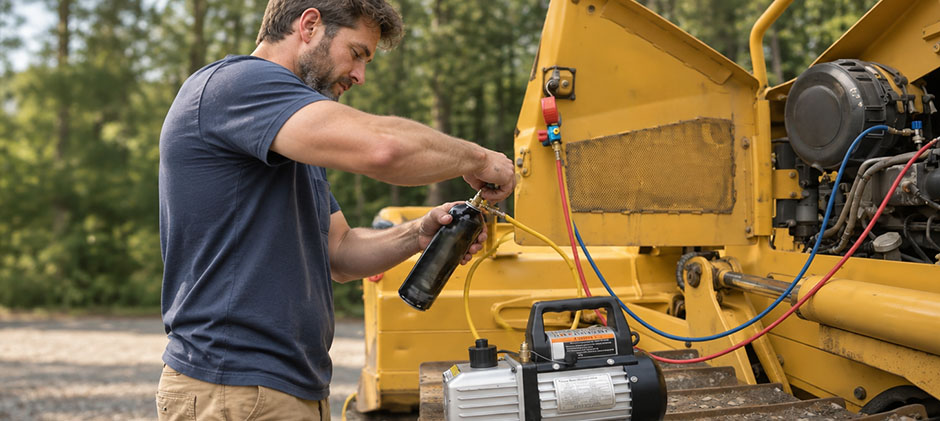
If you notice these signs of a bad A/C compressor, it’s essential to solve the problem immediately. Ignoring these signs can lead to a humid cab, unbearable heat and damaged A/C parts, such as a broken serpentine belt. Here are steps to solve the AC compressor problem, with a video.
To troubleshoot whether your A/C compressor is failing, you can follow the tips below:
- Crank the A/C and check if it cools quickly
- Watch for the A/C compressor clutch to cycle on and off. If it doesn’t stop and starts back up, it could be a sign.
- Listen for unusual noises like grinding or rattling when the compressor cycles. It could point to an internal problem.
- Check for leaks with UV lights. If your system has been injected with a dye previously, you might detect traces of glowing dye at the compressor.
Maintenance Tips for Your A/C Compressor
Proper maintenance helps keep the bad A/C compressor symptoms at bay. Here are steps for you:
- Use your air conditioning regularly
- Check for refrigerant leaks periodically
- Recharge the refrigerant promptly
- Inspect the cooling system’s operation
- Replace desiccant material or receiver drier whenever you replace an A/C component
When you need A/C replacement parts, FridayParts is your ideal one-stop shop with a broad array of parts for DIY repairs.
Conclusion
A functioning A/C compressor ensures the comfort and working efficiency of your heavy-duty equipment. You should always catch early signs of a failing A/C compressor and fix it promptly for this purpose. At FridayParts, we are committed to providing a wide range of quality A/C compressor parts and other HVAC parts, ensuring the optimal experience with your machine on the worksite.
