

Looking for the Briggs and Stratton model number location? Nine times out of ten, it’s stamped on the blower housing, printed on the valve cover, or sitting on a small tag by the recoil starter — never on the mower frame itself. Three numbers — Model, Type, Code — and you’re set. Skip any one of them, and you’re guessing again. Below, we’ll cover where to find the tag on walk-behinds, riders, and generators, plus how to read one that’s faded past the point most people would give up.
Where To Check First?
The Briggs and Stratton model number location is usually on the engine itself. It is not often on the machine frame or body panel. If you start with the wrong area, you can waste a lot of time.
Look at these spots first:
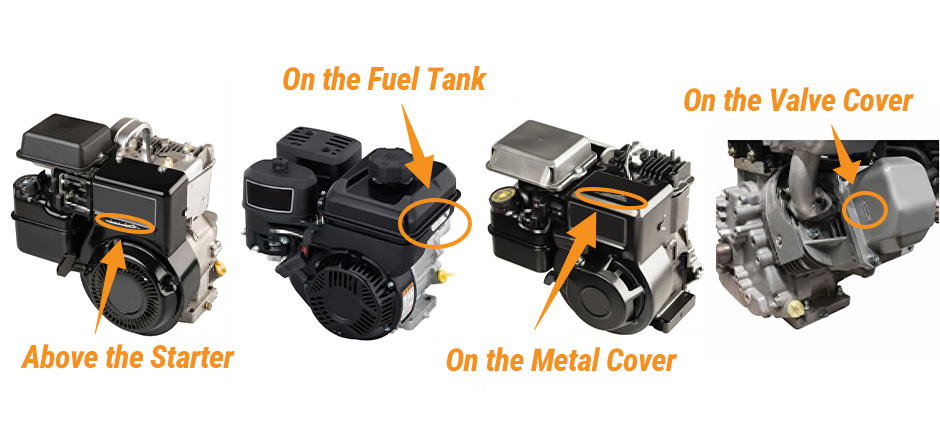
- Top of the blower housing
- Valve cover
- Metal shroud near the spark plug
- Recoil starter housing
- Side of the fuel tank
- Small metal tag near the starter
Sometimes the numbers are stamped into metal. Other times they are printed on a label. Older engines may have a worn tag that is still readable after a quick wipe.
Here is a fast guide:
| Location | What You May See | Best Use |
|---|---|---|
| Blower housing | Stamped number | Common on small engines |
| Valve cover | Printed or stamped ID | Easy to spot on OHV layouts |
| Starter area | Metal tag | Common on utility units |
| Spark plug side | Shallow stamp | Often missed on first check |
| Fuel tank label | Printed model info | Helpful on some compact engines |
Before ordering engine parts or maintenance parts, clean the area and check more than one spot. That extra minute often saves a wrong order later.
What Do the Numbers Mean?
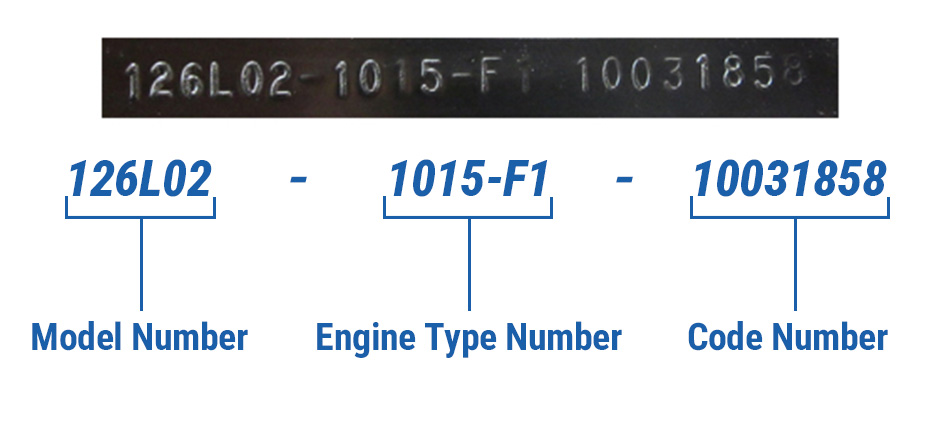
Once you find the Briggs and Stratton model number location, you will usually see three lines:
- Model
- Type
- Code
Each line matters. Many people copy only the model number and leave the rest. That is where fit issues start.
Model Number
The model number tells you the engine family. It helps sort out the basic setup, such as size group and shaft style. This is the first filter when you shop for air filter parts, starter parts, or fuel system parts.
Type Number
The type number gets more specific. It can separate one carburetor setup from another, even if the engines look almost the same on the outside. If you are replacing carburetor parts or ignition parts, this number matters more than many people expect.
Code Number
The code number points to the production run. On some engines, this makes it easier to pin down changes made during production. If one version used a different gasket, spring, or linkage, the code helps clarify that. One common mistake is assuming all three lines are optional. They aren’t. To get the right match, record the full set exactly as shown.
Find It By Engine Style
The Briggs and Stratton model number location is not identical on every engine. The layout changes with the engine style, and that is why two machines can lead you to different places.
Walk Behind Mowers
On many walk-behind units, the ID sits in plain sight once dirt is removed. Start with:
- The top shroud
- The valve cover
- The spark plug side
- The fuel tank label
Grass dust and old oil can hide shallow stamps. A side angle with a flashlight often works better than bright light from above.
This is also the point where you may want to inspect nearby air intake parts and tune-up parts if the machine has been hard to start.
Riding Mowers
Riding mower engines are often tucked inside tighter spaces. Check:
- The front or side of the valve cover
- The fan housing
- The upper shroud
- The area near the starter motor
Lift the hood and look from both sides. If the engine sits low, use a light from below. Some labels are visible only from one angle.
Generators And Utility Engines
These engines often place the ID near the recoil starter or on the side housing. Check:
- Above the pull start
- Near the air cleaner
- Side of the shroud
- Close to the plug wire path
This matters if you are buying recoil starter parts, governor parts, or fuel pump parts. Similar housings can still use different internal setups.
How To Read A Worn Tag?
Sometimes the Briggs and Stratton model number location is right where it should be, but the tag looks faded, greasy, or half gone. That does not always mean the information is lost.
Start with a simple cleaning method:
- Use a soft rag
- Brush off dry dirt first
- Apply a mild cleaner
- Wipe gently
- Shine a flashlight across the surface
Do not scrub too hard. Printed labels can come off faster than expected.
If the number is stamped into metal, try this:
- View it from the side
- Take a phone photo
- Zoom in on the image
- Change the angle of the light
- Compare each line slowly
A camera often catches faint marks that are hard to see with the naked eye.
If one area is unreadable, keep looking. Some engines have more than one ID point. A faded top label may be backed up by a stamped number on the shroud. That can be enough to confirm the right replacement parts before you order.
Use The Number Before You Buy
Finding the Briggs and Stratton model number location is only the first step. The real value comes from using that ID the right way. A part that looks close in a photo can still be wrong.
Use this checklist before placing an order:
- Write down model, type, and code
- Compare your old part with the new listing
- Check bolt holes and mounting shape
- Match fuel line or wire connection points
- Look at lever position and linkage style
- Review the whole engine setup, not just one piece
The parts most often mixed up include:
- Carburetors
- Ignition coils
- Recoil starters
- Fuel pumps
- Gasket sets
- Air filter assemblies
- Primer bulbs
Here is a quick reference table:
| Part Type | Why The Full ID Helps | What To Compare |
|---|---|---|
| Carburetor | Linkage and choke style may vary | Mounting face and lever layout |
| Ignition coil | Connector details can differ | Wire route and terminal style |
| Recoil starter | Housing size may change | Bolt pattern and starter cup |
| Fuel pump | Port layout may differ | Inlet and outlet position |
| Gasket set | Cut shape must match | Hole spacing and outline |
| Air filter | Cover design may change | Length, width, and seal shape |
If your engine starts and then dies, or runs only with choke, avoid guessing. Those symptoms can point to fuel delivery issues, air leaks, or the wrong carb setup. That is one reason Briggs and Stratton model number location details matter so much before ordering fuel delivery parts or ignition system parts.
There is also a practical side to this. If the old part has already been replaced once, its shape may not match what the engine left the factory with years ago. The engine ID is often the cleaner guide.
Small Checks That Prevent Big Delays
It is easy to focus only on the number and forget the rest. A smarter approach is to pair the engine ID with a few visual checks.
Keep these habits in mind:
- Take a clear photo of the number plate
- Save a second photo of the old part
- Measure the part if needed
- Check surrounding wear before ordering
- Replace related service items when access is already open
If you’re pulling the carburetor, for example, it makes sense to check the nearby gaskets, fuel line parts, and air filter parts while you’re in there. If the housing is already open, inspect the starter parts and visible wiring too. That saves repeat labor and lowers the chance of fixing one issue while another worn part stays put.
This helps cut repeat labor. It also lowers the chance of fixing one issue while another worn piece stays in place.
A little extra checking upfront usually costs less than a second teardown later.
Final Words
Find the Briggs and Stratton model number, write down all three lines, and the rest of the job stops being guesswork. You’ll order the right carb the first time, the right coil the first time, and skip the return trip. When you’re ready to put that ID to work, FridayParts stocks affordable aftermarket parts for Briggs engines and plenty of other outdoor power equipment — broad fitment, honest pricing, and inventory deep enough to actually have what you need in stock.
