

Engine knocking is almost unmistakable the first time you hear it. It signals that there’s something wrong with your internal combustion cycle. In this guide, we’ll delve into the common causes of engine knock and how you can fix it easily. Let’s move on to reading!
What Is Engine Knocking?
Engine knocking, aka pinging or detonation, is an abnormal combustion phenomenon that produces a metallic tapping or rattling sound from the engine. It occurs when the air-fuel mixture inside the cylinder burns unevenly or ignites at the wrong time. Instead of a smooth and controlled combustion process, the mixture creates sudden pressure waves that produce a knocking noise and may damage engine components over time.
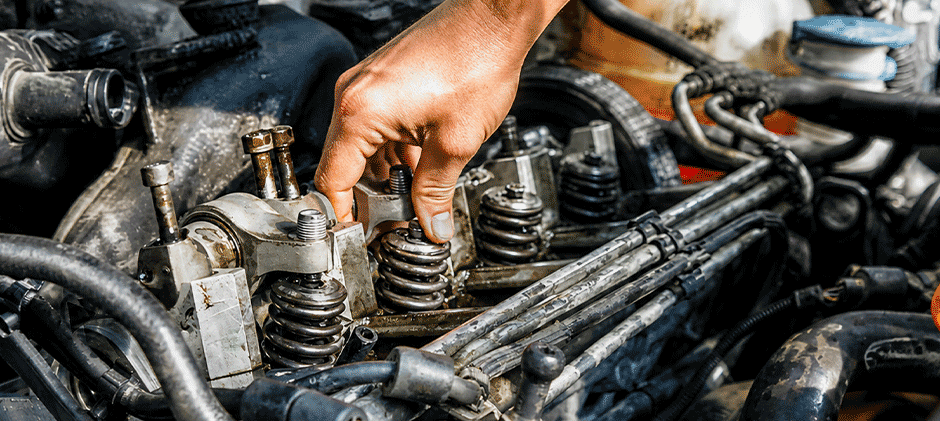
What Does Engine Knocking Sound Like?
Engine knocking sound is a knocking, tapping or pinging noise from your engine. This sound can range from light rapid ticking to heavy deep banging. The knocking sound can occur when you’re accelerating, idling or on cold mornings. The pattern, volume and timing all point to different underlying issues.
Common Types of Engine Knocking Sounds
The following are common engine knocking types:
Rod Knocking
This type sounds like a heavy, deep metallic knocking as if some one rhythmically hammering on your block. And this noise is constant and gets louder as engine RPMs increase and won’t disappear when the engine warms up. See What Causes Rod Bearing Knocking and How to Fix It here.
Piston Slap
This sounds like a lighter, rapid tick-tick-tick inside instead of a heavy knock-knock-knock. It is most noticeable on cold starts and tends to quiet or disappear once your engine reaches operating temperature.
Spark Knock
It is also called detonation or pinging, most noticeable under load. You can hear this sound when you’re accelerating, climbing hills, hauling heavy loads or increasing the RPMs.
Lifter Tick
This is a valve train noise like a sewing machine. This is faster and higher-pitched than rod knocks and piston slaps. It can be constant all the time or intermittent due to low oil and wrong viscosity. See How to Choose the Right Oil Grade for Your Engine?
Some may describe the sound as marbles rattling in a tin can, while others say it sounds like rhythmic tapping that worsens with acceleration. Either way, understanding the cause is the first step toward protecting the engine.
What Causes Engine Knocking?
Here are 11 common engine knocking causes:
#1 Low-octane or poor fuel quality
Octane is a measurement that tells you how resistant a fuel is to abnormal combustion. If you use a lower octane than recommended by your vehicle owner’s manual, the fuel can pre-ignite and cause engine knock.
#2 Low motor oil levels or poor oil quality
Insufficient or degraded engine oil can increase friction and heat inside the engine. Higher operating temperatures can contribute to abnormal combustion and increase the possibility of knocking.
#3 Excessive carbon buildup
Gasoline contains carbon, which can leave deposits and buildup on critical engine components like the combustion chamber surfaces. Over time, carbon deposits accumulate on pistons and valves, reducing space inside the combustion chamber and raising pressure and heat. Then, pre-ignition and knocking become likely.
#4 Improper air-fuel ratio
The mix of air and fuel that goes into your engine must be precise for the engine to work correctly. When there is not enough fuel, combustion temperatures rise, increasing the risk of engine knocking.
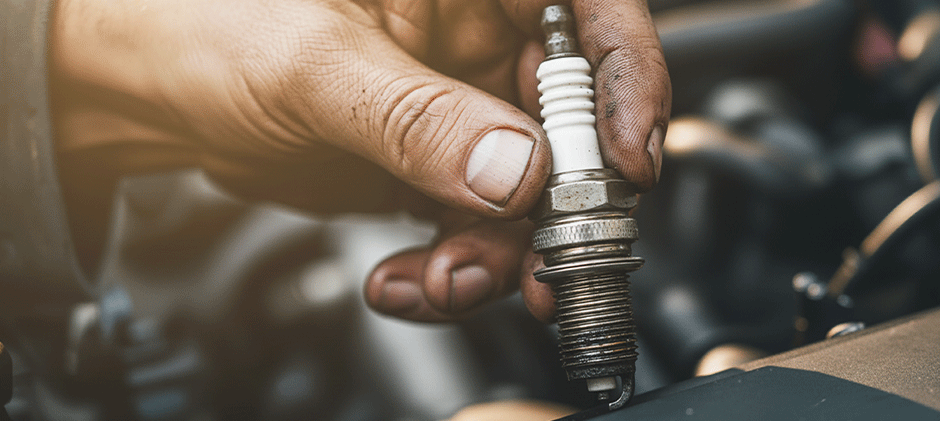
#5 Worn spark plugs
Spark plugs deliver the spark that ignites the air/fuel mixture. Once the spark plugs get dirty or wear out, the ignition timing gets thrown off, leading to an uneven burn and engine knocking, especially during acceleration or under heavy load
#6 High cylinder temperatures due to poor cooling
A malfunctioning cooling system, low coolant levels, or blocked cooling fins can cause the engine to run too hot. High cylinder temperatures make abnormal combustion and engine knocking more likely.
#7 Worn piston rings
Worn piston rings can reduce compression efficiency and allow oil to enter the combustion chamber. This may affect combustion quality and contribute to abnormal engine operation.
#8 Connecting rod bearing failure
A damaged connecting rod bearing can create knocking sounds caused by mechanical wear and excessive clearance between engine components. This type of noise is different from combustion-related engine knock and requires immediate inspection.
#9 Faulty fuel pump
A failing fuel pump may not supply enough fuel to the engine, creating a lean air-fuel mixture. This can increase combustion temperature and contribute to engine knocking.
#10 Loose accessory belt
A loose or damaged accessory belt usually does not directly cause combustion knocking, but it can create tapping or rattling noises that may be mistaken for engine knock.
#11 Faulty knock sensor
Modern engines have knock sensors that detect irregular combustion and automatically adjust timing. Once the sensor fails, the engine can’t self-correct, leading to more frequent and noticeable engine knocking.
6 Signs You Have An Engine Knocking Problem
How can you tell it’s actually engine knock and not something else? Watch for these symptoms:
- Metallic knocking or pinging noise during acceleration
- Noise getting worse under load
- Knocking when the engine is cold
- Check engine light on
- Decrease in fuel economy
- Engine hesitation or sluggish acceleration
If you’re experiencing any of these issues, it’s time to get your vehicle checked out.
See What Does Check Engine Light Mean & How to Fix It?
How to Fix & Prevent Engine Knocking?
As mentioned above, many reasons are to blame for the engine knocking sound, so the solution varies. Here are the most common fixes:
- Switch to the correct fuel octane rating for your vehicle
- Change the engine oil and use the correct viscosity/grade per the owner’s manual intervals
- Use high-quality gasoline and consider periodic fuel system cleaners
- Replace air filters, spark plugs, timing belts, fuel filters, etc. on schedule
- Repair or replace the knock sensor or other sensors
- Address any fluid leaks promptly to maintain proper lubrication levels
- Correct air-fuel mixture issues identified through diagnostics
- Keep up with all other scheduled maintenance for emissions
Can I Operate with An Engine Knocking Sound?
While some of the reasons behind an engine knocking noise are easy to handle, you shouldn’t drive your vehicle or operate your heavy machinery until the issue has been diagnosed and solved. If you continue, it can cause further damage to your machines. If your engine fails halfway, you could even end up in an accident. At the very least, you may find yourself with a more expensive repair bill as the fault continues to wreak havoc beneath your bonnet.
What to Do If Your Engine Is Making a Knocking Sound?
If you’re hearing an engine knocking sound, stop immediately and check for any warning signs. You should check the engine oil level, warning lights and refer to the owner’s manual for guidance. Avoid continuing to operate the engine, as it can lead to disastrous damage and costly repairs. For an accurate diagnosis and proper repair, it is wise to have your engine inspected by a qualified mechanic.
Conclusion
Engine knocking is a warning sign you shouldn’t ignore. At FridayParts, you can find a wide range of high-quality replacement parts to help maintain and repair your engine, including spark plugs, fuel pumps, oil filters, air filters, fuel filters, belts, and other engine spare components. Don’t wait – schedule your service appointment today.
