

The Joystick controller is changing fast, and yes, it matters more than most people think. What used to be a basic hand control is now becoming a smarter part of the whole machine, affecting precision, comfort, and even safety. If your tractor, loader, or excavator feels different from machines built just a few years ago, the joystick is a big reason why. The changes are not just technical either. They will affect how you run, repair, and upgrade equipment next.
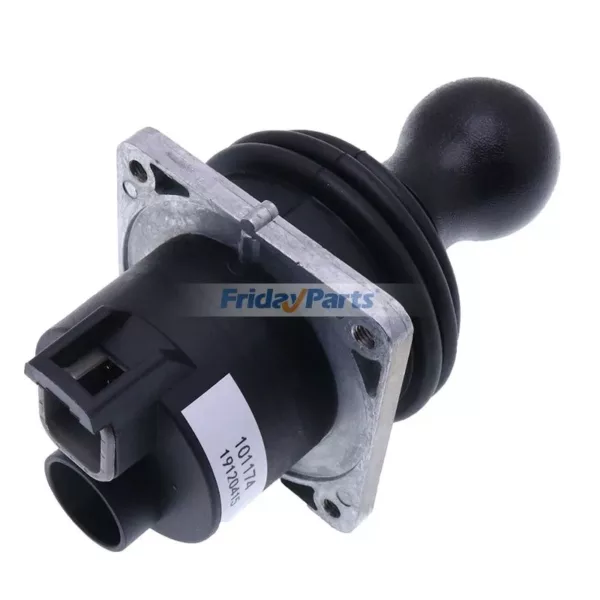
How The Joystick Controller Became A Core Machine Control Part
A joystick started as a simple control lever. Early designs relied on direct mechanical movement. In older equipment, joystick motion often linked straight to valves or hydraulic functions through physical parts. It worked, but it demanded more effort from the operator and gave less fine control.
That old setup had clear limits:
- Heavy hand effort during long workdays
- Slower response in delicate jobs
- More wear in rough environments
- Lower control accuracy for multi-function moves
As machine systems improved, the Joystick controller changed from a mechanical input to an electronic command device. Instead of only pushing a linkage, the joystick began sending signals to valves, control units, and sensors. That shift changed machine handling in a real way.
Now, when you feather a bucket, steer a loader arm, or adjust a tractor attachment, the joystick may be working through:
- Position sensors
- Electronic control modules
- Hydraulic solenoids
- CAN-based communication systems
This is why the joystick now sits at the center of operator comfort and machine precision. It is no longer a small accessory. It is part of the machine’s brain-to-hand connection.
That also explains why matching parts matter. A worn joystick can affect the feel of the whole cab, just like fresh hydraulic control valves or reliable pilot control switches can restore smooth response.
What Changed From Early Joysticks To Today’s Smart Controls
The biggest change in joystick history is not the shape of the handle. It is the way the signal travels.
From Mechanical Force To Electronic Signals
Older joystick systems pushed or pulled physical parts. Modern systems translate hand movement into an electric signal, then into machine action. That change brings better precision, lighter effort, and easier tuning.
For you, that means:
- Smaller hand movement can command a larger machine action
- Sensitivity can be tuned to suit the task
- Multiple functions can be managed at once
- Control can stay consistent even during long shifts
This matters on machines used for:
- Front loader work
- Excavation and trenching
- Material handling
- Precision farming attachment control
Better Feedback For The Operator
Newer joystick systems are not only about sending commands. They are also about sending information back. Some advanced designs now use haptic response, vibration cues, or force feedback. These features help the operator sense resistance, warnings, or machine status through touch.
That kind of feedback can help in jobs where visual attention is already overloaded. You may be watching grade, bucket angle, crop rows, traffic around the machine, and attachment movement all at once. A joystick that “talks back” through feel can reduce delay in your response.
At the same time, control quality still depends on the rest of the system. Good joystick behavior pairs well with healthy solenoid valves, responsive hydraulic pumps, and stable electrical connectors.
Why Joystick News Matters More For Agricultural And Earthmoving Equipment
A lot of joystick talk sounds like future tech, but the real value shows up in daily work. In tractors and field machines, joystick control now plays a larger role in front loaders, rear attachment operation, headland turns, and multi-function hydraulic tasks. In excavators and compact equipment, it remains the main point of control for nearly every movement.
Here is why that matters to you now.
Precision Is Becoming A Daily Requirement
Operators are being asked to do more with less time. That means faster loading, cleaner trenching, tighter stacking, smoother bale handling, and more accurate implement control. A modern joystick controller helps by reducing wasted motion and giving better fine control.
Even small improvements can show up as:
- Less spilled material
- More even grading
- Cleaner attachment timing
- Lower operator strain
- Better repeatability from pass to pass
Cab Comfort Is No Longer A Luxury Topic
When a machine runs all day, comfort affects output. A joystick with poor resistance, sticky return, or weak signal feel can wear you out faster than many people expect. Better joystick design now focuses on grip, button layout, travel range, and response speed.
This is one area where replacement timing matters. You do not always need to wait for total failure. If operation starts feeling vague or uneven, related parts such as joystick control handles, wiring harnesses, or cab switch panels may deserve a closer look.
The Latest Joystick Controller Trends You Should Watch
This is where things get more interesting. The Joystick controller is moving into a new phase, and not all of it belongs to labs or demo machines.
Smarter Haptic Feedback
Haptic feedback is getting more useful, not just more flashy. Instead of random vibration, newer systems aim to deliver clear tactile cues. That can include:
- Obstacle warnings
- End-of-travel signals
- Mode-change confirmation
- Load or resistance cues
For machines working in tight yards, uneven fields, or crowded sites, that kind of feedback can help reduce overcorrection.
Wireless And Remote Control Links
Some modern joystick systems are being tested or used with wireless control functions. This does not mean every machine will go cable-free overnight. It does mean remote operation, safer stand-off control, and flexible machine positioning are becoming more realistic in certain jobs.
That trend is especially relevant for:
- Hazard-prone work zones
- Remote attachment control
- Machines needing careful low-speed positioning
More Integration With Smart Systems
The joystick is no longer isolated. It is increasingly linked with telematics, machine control software, and sensor-based automation. In plain terms, the joystick may soon do more than move metal. It may help manage workflow.
You can expect more systems tied to:
- Auto-assist functions
- Implement presets
- Machine learning behavior patterns
- Operator-specific settings
That also means electronic support parts will matter more over time, including machine controllers, display modules, and sensor assemblies.
What To Check Before Replacing A Joystick Controller
Not every rough-feeling joystick needs immediate replacement, but guessing can waste money. A careful inspection usually pays off.
Common Signs Of Trouble
Look for these signs first:
- Delayed response
- Jerky function movement
- Uneven travel left versus right
- Buttons that fail part of the time
- Warning codes linked to pilot controls
- Extra hand effort or sticking feel
These symptoms may come from the joystick itself, or from nearby electrical and hydraulic parts.
A Practical Inspection Checklist
Before ordering parts, check:
- Connector condition and pin fit
- Harness wear near the cab base
- Mount looseness or physical damage
- Return-to-center action
- Button and roller switch response
- Hydraulic response after signal input
- Fault codes in the machine control system
A joystick problem can sometimes trace back to a weak control relay, damaged fuse boxes, or aging hydraulic seal kits affecting function response.
Quick Comparison Table
| Joystick Type | Main Feature | Best Use | Watchpoint |
|---|---|---|---|
| Mechanical joystick | Direct physical linkage | Older machines, simple hydraulic functions | Higher effort, lower precision |
| Electro-hydraulic joystick | Sends electronic command to hydraulic system | Tractors, loaders, excavators | Wiring and sensor condition |
| Haptic joystick | Tactile feedback to operator | Precision work, advanced machines | Calibration and control module support |
| Wireless or remote joystick | Stand-off or remote control | Risk-prone or specialized tasks | Signal stability and system compatibility |
What The Future Looks Like For Joystick-Controlled Equipment
The future of the Joystick controller is not just about fancy features. It is about making machines easier to run well.
You can expect the next wave to focus on three practical goals:
Lower Fatigue
Smarter resistance tuning, improved grip design, and cleaner control mapping will reduce effort during long shifts. This is especially useful on machines doing repetitive lift, grade, or feed tasks.
Better Safety
When joystick systems work with sensors and machine logic, they can help prevent risky motion. That may include movement limits, obstacle alerts, or function lockouts in unsafe conditions.
Faster Training
A more intuitive joystick helps newer operators get productive sooner. Better feedback and clearer response reduce the learning curve, especially on multi-function machines.
Still, even the most advanced control setup depends on maintenance. A smart cab cannot cover for worn electrical sensors, tired hydraulic cylinders, or loose switch assemblies forever. Good control starts with good condition.
Final Words
Joystick technology is moving forward, but the goal stays the same: smoother control and fewer headaches in the cab. Whether you are fixing a worn joystick or sorting out related control parts, it helps to have reliable replacement options. FridayParts offers affordable aftermarket parts, a large inventory, and wide compatibility across many heavy equipment applications.
