

If you have stale fuel sitting and are wondering how to dispose of gas safely, the most direct way is to take it to a certified local hazardous waste facility. Bad fuel can damage your machinery. In this guide, we talk about the exact steps to get rid of old fuel safely, what you should never do with it, and how to handle tricky mixtures like 2-cycle oil blends, saving you time and protecting your equipment.
How to Dispose of Old Gas?
Gasoline breaks down over time. Oxidation makes its light, volatile parts evaporate, leaving thick, sticky gunk behind. If the gas has ethanol, it pulls moisture out of the air. This causes phase separation — water and ethanol sink to the bottom of the can.
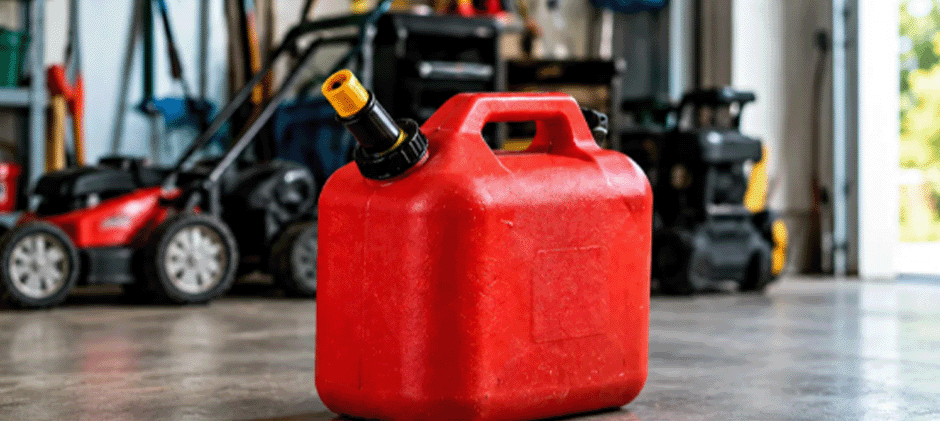
Before you get rid of it, store the fuel safely. Put old gasoline only in an approved container, like a red plastic or metal jerry can. Never use milk jugs, glass jars or thin plastic bottles. Gas eats through these materials and can leak, which is very dangerous.
Check the fuel visually first. Pour a little into a clear glass container and look at its color. Fresh gas is clear or slightly yellow. Old stale gas turns dark, similar to old apple cider, and smells sour, like varnish. If your fuel has gone bad, seal the approved can tightly. Don’t try to filter out water or rust by yourself if the fuel is heavily degraded. A coffee filter or mesh screen can’t bring back its lost octane. Your job is just to contain it and get it ready for professional hazardous waste handlers.
Where Can You Take Old Gas for Disposal?
Finding somewhere to dump old gas can feel like a hassle, but most towns have programs set up for this.
Your best bet is a Household Hazardous Waste (HHW) site. Most counties run these centers, and they’re set up to safely deal with toxic, flammable liquids. You can usually find the closest HHW facility on your county or city government website. Some places only have drop-off events a few times each year, while others keep permanent sites open all year long.
“Always call your local waste center before you drive over. Some places cap how many gallons you can drop off at once. They might also require you to leave your fuel container there.”
Can you bring old gas to local auto parts stores? Most big auto parts shops take used motor oil for recycling. But gasoline is super flammable and needs special storage rules. A small number of locations may accept fuel heavily mixed with used oil, but nearly all auto parts chains won’t take straight gasoline because of fire safety rules and liability risks. Always call the store manager before loading your truck. If they can’t take it, they can usually tell you where to find a local commercial recycling center.
Can You Use Old Gas in a Car or Lawn Mower?
Whether you can burn old gas by mixing it into a truck or lawn mower. Some folks say they’ve dumped gallons of stale fuel into their trucks with no trouble, but we really don’t recommend doing this on newer vehicles.
- Modern cars and trucks use super precise electronic fuel injectors. These injectors have tiny spray nozzles and need clean, good fuel to work right. Old gasoline with varnish, rust or water can clog them up. Replacing injectors, fuel pumps and filters will cost way more than safely getting rid of a few gallons of bad gas.
- Older carburetor engines, like beat-up push mowers or old farm tractors, are a little more tolerant. Carburetors have bigger jets and can handle small amounts of dirty fuel. If the gas is only a few months old and doesn’t smell like sour varnish, some owners dilute it. The usual mix is one part old gas to at least five parts fresh high-octane fuel.
That said, if the fuel is years old, dark, or full of gunk, don’t run it in any engine. It leads to hard starts, rough idle and heavy carbon buildup on spark plugs and valves. Your best move is to dispose of it the right way.
How to Dispose of Gas Mixed With 2-Cycle Oil?
Off-road equipment owners often run into mixed fuel issues. Chainsaws, weed trimmers and some dirt bikes need gas pre-mixed with 2-cycle oil at a set ratio. When this mix goes bad at the end of the season, disposing of it works a little differently.
- Since this liquid already has gas mixed with oil, many waste oil recycling places are more open to taking it. Recycled motor oil gets reprocessed, and the system can handle a small amount of gasoline contamination.
- If you only have a small quantity of this blended fuel, call your local waste oil drop-off site. Tell them plainly you’ve got gas mixed with 2-cycle oil. Some locations will let you pour it straight into their waste oil tanks.
- If they turn you down, treat it just like regular gasoline and bring it to a Household Hazardous Waste facility. Don’t try to split the oil and gas yourself. They are chemically combined, and you need industrial refining gear to separate them.
What Should You Never Do When Disposing of Gasoline?
When learning how to dispose of gas, knowing what not to do matters just as much as the correct steps. Improper disposal is illegal, super dangerous, and really bad for the environment. Here’s what you must never do:
- Never pour it on the ground: Dumping fuel in your yard or woods poisons the soil. Toxic chemicals soak into the ground and can get into groundwater, ruining drinking water for a wide area.
- Don’t pour it down drains or sewers: Gas fumes are heavier than air and highly explosive. If you pour fuel down a sink, toilet or storm drain, vapors build up inside sewer lines. One spark from a car or static electricity can trigger a huge underground blast.
- Never use it to start brush fires: Pouring old gas onto a pile of damp wood may look like an easy fix, but it’s extremely risky. Fumes spread fast across the ground. When you light a match, the flame can race right back at you in a flash and cause bad burns.
- Don’t leave it open to evaporate: An open pan of gas sitting in sunlight releases harmful VOCs into the air. It also creates a major fire risk on your land and can hurt pets or local wildlife.
Conclusion
Knowing how to dispose of gas correctly protects your expensive off-road equipment, keeps you safe and guards the environment. Stick with approved fuel containers, use your local Household Hazardous Waste facilities, and never dump or burn old gas. Cutting corners with stale fuel usually means you’ll need replacement parts sooner than you planned. FridayParts is here to help; shop reliable equipment parts for your machines.
