

The cold winds of autumn have blown from Canada across the country. It’s time to start your cool season lawn maintenance plan. In the northern and northeastern US, cool season lawn is claiming their domination. They go dormant in summer but grow vigorously during spring and autumn. They are usually dark green, fine in texture, and have a good cold tolerance.
Challenges you may encounter when maintaining cool-season turf include moisture control, disease prevention, weed management, etc. Therefore, to settle these problems, the proper choice and use become extremely crucial. Different models of lawnmowers are suitable for different lawn types and areas. Also, lawn maintenance in cool seasons requires special techniques.
What Is a Cool Season Lawn?
Cool‑season grasses grow best when temperatures hang around 60‑75°F. They really take off in spring and fall, then slow down or go partly dormant in the hot summer months. These grasses handle cold well. You usually start them from seed instead of plugs or sod. Keep them mowed around 3‑4 inches high, and they mostly stay green through winter instead of dying all the way back.
Where do cool‑season grasses grow? They’re the main lawn grass across the northern third of the US. That includes New England, the Upper Midwest, the High Plains, Northern California, and the Pacific Northwest. Up there, they’re pretty much your only pick for lawns.
They also do okay in the Transition Zone. That’s the wide middle strip of the country where both cool‑season and warm‑season grasses can survive. Tall fescue is a very common cool‑season grass for this zone. It stands up well to heat, drought, and cold all at the same time.
Cool-Season Lawn Maintenance Challenges & Solutions
The maintenance challenges of cool-season turfgrass mainly lie in five aspects. Moisture control, disease prevention, weed management, nutrient requirements, and seasonal stress. However, you can avoid these problems through reasonable maintenance measures. If these problems are bothering you, you might as well read the article, and you will get the answers.
Moisture Control
First and foremost, cool-season lawns prefer a moist environment. During the dry season, soil moisture needs to be maintained through regular irrigation. But do not overwater, which can lead to the development of root diseases. The right irrigation method should be deep and less frequent watering to promote the lawn root system to grow deeper and improve its drought tolerance.
Disease Prevention
In terms of disease prevention, cool season lawns are susceptible to fungal diseases such as brown patches and coin spots. These diseases tend to spread quickly in humid conditions, resulting in patches and wilting of the lawn. The best thing to do is to take preventive measures. Purchasing disease-resistant varieties is a wise choice. Also, proper fertilization can build up the lawn’s natural resistance. Cool-season lawns require more nitrogen fertilizer in the spring and fall to promote growth. Spring and fall are usually the best times to fertilize cool-season lawns. During the fertilization, remember to apply the fertilizer evenly and water immediately to penetrate the soil.
Weed Management
Weed management is an integral part of lawn maintenance. Not only do weeds compete for nutrients and water, but they also disgrace the overall aesthetics of the lawn. Effective weed management strategies include the use of lawn-specific herbicides, regular hand-pulling, and the practice of cultivating a competitive, healthy lawn to suppress weed growth. Also, judicious use of mulch can discourage the germination of weed seeds.
Seasonal Stress
Finally, the effects of seasonal stress on lawns should not be overlooked. When your lawn recovers in the spring, it needs proper irrigation and fertilization to promote growth. During the summer heat, your lawn may go dormant, so you should avoid fertilization and watering to prevent your lawn. Fall is a critical time for your lawn to resume growth. So proper fertilization and irrigation can provide a good foundation for your lawn to survive the winter. In the winter, the focus shifts to cleaning up dead leaves and proper overseeding protection.
When to Aerate Cool‑Season Grass Lawns?
Soil gets compacted. No one really mentions this when you buy a house with a yard. Every rain shower, every footstep across the grass, every mow pushes those top few inches of soil tighter and tighter.
Aeration just means mechanically opening up the dirt so air, water and nutrients can sink in easily. To put it another way: it’s one of those easy‑sounding lawn chores you might ignore. Skip it for a few years, and your lawn will start looking like carpet laid right over concrete.
For cool‑season grasses, aerate during their biggest growth spurts — early fall or spring. That gives the grass plenty of time to bounce back and fill in those core holes quickly. Once your lawn is aerated and doing well, you can trim the lawn edges along walkways to make the whole yard look cleaner and more polished.
When you aerate, pulling out plugs of soil works better than just poking holes. Most homeowners get that backwards. This same difference also helps you tell aeration apart from dethatching. There are two aeration methods:
- Spike Aeration: Solid metal tines, basically spikes, just punch straight down into the ground.
- Core Aeration: Hollow tines pull little cylinders of soil out. These dirt plugs get left sitting right on top of your lawn.
Aeration falls under regular lawn upkeep, not decorative landscaping, but it’s absolutely critical if you want your cool‑season grass to stay in good shape.
Winter Lawnmower Solutions
The type of lawn can really affect mower shopping. Choosing the right mower can make a big difference in your winter lawn maintenance. Different types of grass vary in growth rate, blade texture, and adaptability to mowing. So proper mower is critical to keeping your lawn healthy and beautiful.
Cool Season Lawnmower Buying Guidance
Cool-season lawns such as tall fescue and ryegrass, with their narrower and denser blades, often require finer mowing. Therefore, consider choosing a mower with a wide range of mowing height adjustments. For example, Toro TimeMaster mowers are favored for their precise mowing ability and multi-position height adjustment.
Lawn type is not the only consideration. You also need to consider the size of your lawn and the terrain. Smaller lawns are suited to lightweight electric mowers, such as the Honda HRX series, which are easy to maneuver and lawn-friendly.
They are easy to maneuver and friendly to the lawn. Larger lawns or those with complex terrain may require a more powerful petrol mower or ride-on mower, such as the John Deere X300, for more efficient mowing.
In addition, some mowers such as the Worx WG776 electric lawn mower are suitable for homeowners for routine lawn maintenance due to their cost-effectiveness and ease of use.
Cool Season Lawnmower Operation Guidance
One thing that many people overlook is that there is a difference in the length of mowing between seasons. Adjusting the mowing right height is critical to the health of your lawn. Also, proper mowing frequency and timing can have a significant impact on lawn maintenance.
Mowing Height Adjustment
For cool-season lawns such as Kentucky bluegrass and fine-leaf fescue, the recommended mowing height is 2.5 to 3.5 inches. Proper mowing height helps promote healthy root growth. It can protect your lawn from disease and pests and reduce weed growth
Lawn Mower Frequency and Timing
Cool-season lawns grow vigorously in spring and autumn and require relatively high mowing frequency. It is generally recommended to use a mower once a week. Since lawns grow slowly in summer, the frequency of mowing can be appropriately reduced. The best time to mow is early morning or evening. What’s more, remember to avoid doing it in the hot weather at noon to reduce water evaporation.
Conclusion
Through this blog, we hope to provide lawn owners and gardeners with some practical guidance and suggestions to help better maintain cool-season lawns. We look at several challenges that cool-season lawns face during maintenance. We also discuss in detail how you can meet these challenges by choosing the right mower to keep your lawn healthy and beautiful.
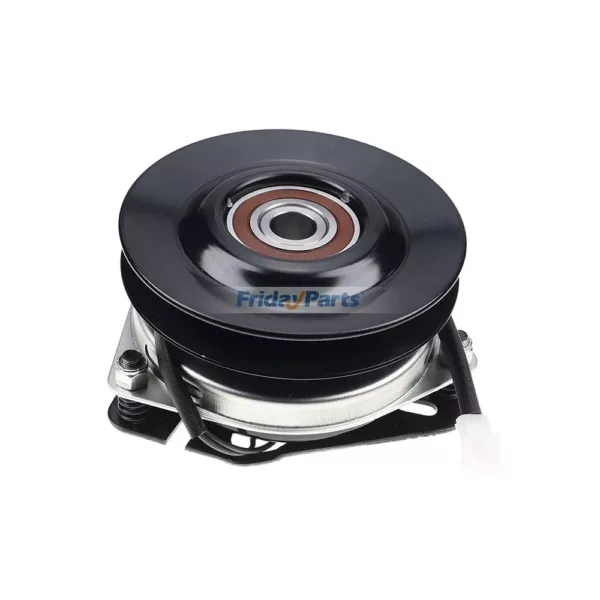
Lawn maintenance is more than just a job, it’s an art. Even a way to make our outdoor spaces more attractive and vibrant. And in this process, quality lawn mower parts are essential. This is what FridayParts is dedicated to providing – providing the best quality parts for your lawn mower. If you are in any need of professional advice in lawn maintenance, welcome to visit our website!
