

Komatsu’s PC58-8 excavator is easy to operate and maintain. Its scientifically designed configuration helps it maintain its quality. A wide range of parts in the walking device have been strengthened to make it more reliable.
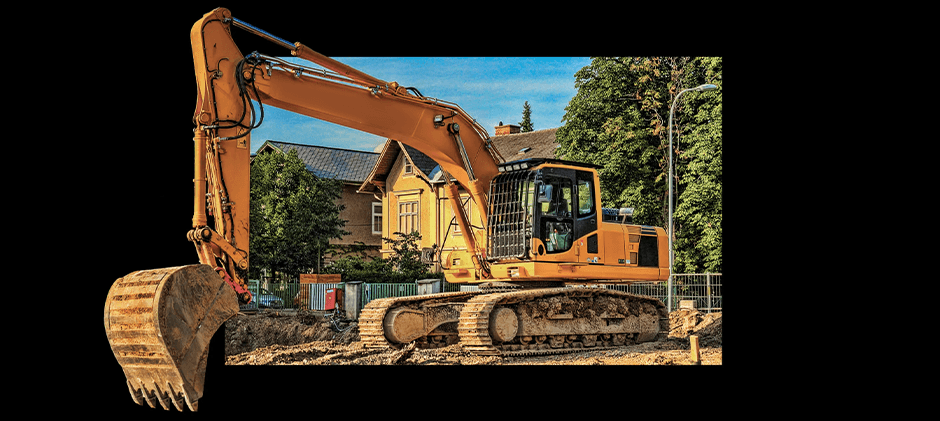
About Komatsu PC58
For most of us, the Komatsu PC58-8 sits in the sweet spot: compact enough for tight access, heavy enough to do real work. Here are the practical traits that usually matter on job sites:
- Compact excavator footprint, real digging capability: good for utilities, small foundations, trenching, and site prep where bigger machines can’t move easily.
- Hydraulic versatility: many units run multiple attachments (bucket, breaker, auger). That means hoses, couplers, and auxiliary settings become “wear items,” not afterthoughts.
- Undercarriage is a major cost center: tracks, rollers, idlers, and sprockets often decide your long-term cost more than the engine does.
- Operator feel affects production: sloppy controls, drift, or weak travel won’t always throw a code—but they reduce cycle speed fast.
- Part accuracy matters: the same model family can have option changes. Correct serial and configuration beats guesswork every time.
Komatsu PC58-8 Specifications
| Specification | |
|---|---|
| Power | traditional power |
| Bucket | backhoe |
| Tonnage (tons) | 5 |
| Working weight of the whole machine (kg) | 5400 |
| Bucket width(mm) | 725 |
| Bucket capacity (m³) | 0.23 |
| Boom length (mm) | 2900 |
| Stick length (mm) | 1640 |
| Performance | |
| Rotation speed (rpm) | 9.0 |
| Walking speed (km/h) | 4.1/2.6 |
| Ground specific pressure (Kpa) | 30.8 |
| Bucket Digging Force (kN) | 39 |
| Digging force of stick (kN) | 23.9 |
| Maximum traction force (kN) | 42 |
| Power System | |
| Engine Model | S4D87E-1 |
| Rated power (kw/rpm) | 36/2300 |
| Displacement (L) | 2.434 |
| Number of cylinders (pcs) | 4 |
| Bore diameter × stroke (mm) | 87*102.4 |
| Cooling method | water cooling |
| Hydraulic system | |
| Main Pump Type | Variable displacement piston pump |
| Maximum flow of main pump (l/min) | 146 |
| Pilot oil circuit (MPa) | 3.7 |
| Working hydraulic oil circuit (Mpa) | 26.5 |
| Walking hydraulic circuit (Mpa) | 26.5 |
| Swing hydraulic circuit (Mpa ) | 19.6 |
| Boom Cylinder-Number×Cylinder Bore×Stroke(mm) | 1-90*686 |
| Stick Cylinder-Number×Cylinder Bore×Stroke(mm) | 1-85*709.5 |
| Bucket Cylinder-Number×Cylinder Bore×Stroke(mm) | 1-75*580 |
| Oil Capacity | |
| Fuel tank (L) | 120 |
| Hydraulic tank (L) | 55 |
| Engine oil replacement amount (L) | 9.7 |
| Body Size | |
|---|---|
| Total length of transport (mm) | 5935 |
| Overall width for transportation (mm) | 1960 |
| Overall transport height (mm) | 2550 |
| Track grounding length (mm) | 1980 |
| Total length of track(mm) | 2500 |
| Track shoe width (mm) | 400 |
| Track gauge (mm) | 1560 |
| Minimum ground clearance (mm ) | 320 |
| Back-end turning radius (mm ) | 1650 |
| Number of carrier rollers (one side) (pcs) | 1 |
| Number of track shoes (one side) (pcs) | 39 |
| Number of rollers (one side) (pcs) | 5 |
| Scope of Work | |
| Maximum excavation radius (mm) | 6120 |
| Maximum digging radius of parking surface (mm) | 5950 |
| Maximum excavation depth (mm) | 3800 |
| Maximum excavation height (mm) | 5850 |
| Maximum unloading height (mm) | 4160 |
| Maximum vertical excavation depth (mm) | 3020 |
| Bulldozer width × height (mm) | High 355 |
| Bulldozer lift or push depth (mm) | 430/330 |
Komatsu PC58-8 Excavator Related Part Lookup
A “Komatsu PC58-8 part lookup” works best when we first collect the right identifiers. Before we add anything to the cart, we normally confirm:
- Machine model + serial number (from the ID plate)
- Engine model (engine tag/plate)
- Attachment details (bucket pin size, coupler type, auxiliary plumbing, breaker brand/model if used)
- Undercarriage configuration (track type, shoe width, roller style)
Maintenance Tips for Komatsu PC58
Good maintenance on compact excavators is less about “big rebuilds” and more about not missing small warnings. Here’s a field-friendly approach we use.
Daily / pre-start habits
- Walk around the machine for fresh hydraulic oil or coolant traces.
- Check track tension and look for packed mud/rocks that can derail or chew rollers.
- Inspect cylinders for wet rods, damaged wipers, and early seal seepage.
- Verify grease points (bucket linkage and coupler); dry joints turn into pin/bushing jobs.
Weekly habits
- Clean or blow out coolers/radiator screens (especially in dusty demo or land clearing).
- Check battery terminals and ground straps (loose grounds cause “random” electrical issues).
- Inspect auxiliary lines and quick couplers if running a breaker/auger often.
Hour-based service
Even without listing exact hour numbers here, the pattern is consistent:
- Engine oil + filters on schedule, always.
- Hydraulic filtration matters more than many owners think—restriction and contamination show up as slow functions and pump wear.
Common Issues & Solutions
This is where most owners win or lose time: knowing what to check first, and when to stop and tear down.
1) Slow hydraulics or weak attachment performance
What we notice: boom/arm feels lazy, breaker hits soft, or multiple functions bog down.
Common causes
- clogged hydraulic filter (restriction)
- low hydraulic oil level
- air ingress on the suction side
- worn pump/relief issues (less common, but costly)
- auxiliary settings not matched to the attachment
What we do first
- Confirm oil level and visible leaks.
- Check filter service history; if unknown, start there.
- Listen for pump cavitation (a harsh whining sound) under load.
- If only one function is weak, isolate to a valve/line/cylinder issue.
2) Boom or arm drift
What we notice: boom drops, arm creeps, bucket slowly curls open.
Common causes
- cylinder seal bypass (internal leak)
- control valve leakage
- load-holding/check valve issues (if equipped)
Quick checks
- Drift test at idle with the attachment suspended safely.
- Compare cold vs hot behavior (hot drift often points to internal leakage).
- Look for external leaks—but remember: bypass can happen with no external oil.
3) Overheating or high operating temps
What we notice: temp climbs during travel or heavy digging; fan runs hard.
Common causes
- plugged cooler stack (dirt, chaff)
- low coolant or poor coolant mix
- failing fan drive/belt issues
- working in high-load cycles with restricted airflow
Best first move: clean coolers properly (not just the outside surface), then re-test under similar load.
4) Undercarriage wear comes too fast
What we notice: track pads wear unevenly, the machine feels rough when traveling, and frequent adjustments.
Root causes
- wrong tension (too tight accelerates wear; too loose derails)
- constant travel on sharp rock or demo debris
- misalignment or worn rollers/idler
- packed material grinding the components
Practical fix path
- Set tension correctly for your work surface.
- Keep it clean—packed mud acts like sandpaper.
- Replace worn components in matched groups when needed (mixing new/old can shorten life).
5) No-start or intermittent electrical problems
What we notice: crank-no-start, dead dash, random shutdown.
Common causes
- weak battery under load
- corroded grounds
- loose connectors near vibration points
What we do first: load-test the battery, then clean/tighten grounds before replacing sensors.
