

The transmission functions of many modern heavy equipment are managed by the Transmission Control Module (TCM), especially in devices equipped with power shifting or electronically controlled automatic transmissions. The machine can shift gears smoothly and efficiently under different loads. While some heavy-duty equipment still uses manual or semi-automatic transmissions, equipment with electronically controlled transmissions relies heavily on the TCM. Like any electronic component, it can fail over time. This article will give you everything you need to identify the bad TCM symptoms.
What is a Transmission Control Module?
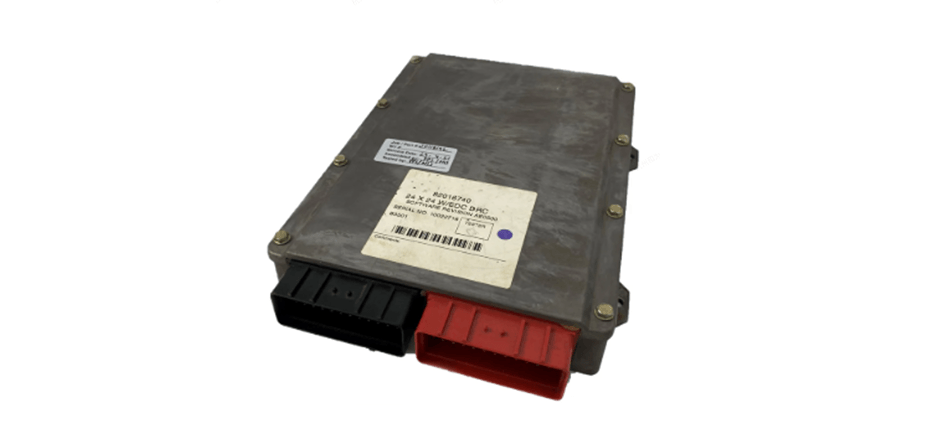
The Transmission Control Module (TCM) is a controller responsible for automatic gear shifting. It will work together with the engine’s computer according to the operating status of the equipment, select the appropriate shift timing, and make the transmission run smoothly and reliably. TCM does not require the operator to manually determine when to shift gears. It gets information such as speed, load and temperature through some sensors on the machine, and then controls when the transmission shifts. Doing so improves equipment efficiency and reduces wear on transmission components.
How to Identify Bad Transmission Control Module Symptoms?
When the Transmission Control Module (TCM) begins to malfunction, there may be some signs. It is crucial to identify bad TCM symptoms promptly to avoid further damage. Common signs of a TCM failure include:
Check Engine Light or Transmission Warning Light
This is the most common and earliest sign that can be found. Modern heavy equipment has on-board diagnostic systems. When there is a problem with the transmission control module (TCM) itself, or when abnormal data is received from sensors, a fault light illuminates on the instrument cluster. It may be a check engine light or a specific transmission fault icon (usually with an exclamation point).
A warning light may correspond to many problems, but if it is accompanied by abnormal gear shifting, TCM is likely to be the main cause. The technician can read the Diagnostic Trouble Codes (DTC) with a diagnostic scan tool to determine the specific fault point.
Erratic, Harsh, or Delayed Shifting
Under normal circumstances, under the control of TCM, the transmission should shift smoothly. When TCM fails, the following situations may occur:
- Harsh Engagement: Jitter or noticeable impact when shifting gears, especially when switching forward and backward or working with heavy loads.
- Delayed Shifting: After pulling the shift lever or reaching the desired shift speed, there is a noticeable wait before actually shifting gears.
- Gear Slipping: A sudden shift out of gear while operating, resulting in a power outage. It is particularly dangerous when going uphill or under heavy loads, as the machine may suddenly lose traction.
Getting Stuck in One Gear (Limp Mode)
If the machine always stops in first or second gear after starting, without upshifting with speed changes, this is usually entering “limp mode” or “fail-safe mode”. When TCM detects a serious malfunction that could damage the transmission, it locks into a safe gear (mostly second or third), allowing the device to slowly move to the safe position but not operate normally. If an excavator, loader or other equipment is stuck in a certain gear, TCM failure is one of the common causes.
Failure to Shift Up or Down
A faulty TCM can also stop the transmission from shifting up or down properly. For example, when you accelerate, the engine revs high, but the transmission won’t shift to a higher gear. When you slow down or make a turn, it fails to downshift. Running the machine in the wrong gear leads to poor power or even engine stalling.
Transmission Overheating
The TCM controls the torque converter lockup clutch to help regulate transmission temperature. If the TCM fails to engage this clutch on time, the torque converter will keep generating heat. That makes the transmission fluid heat up fast. This usually triggers the transmission temperature warning light. It can also reduce fluid performance and even damage internal seals and clutches.
Reduced Power and Performance
Does your dozer suddenly feel weak, struggling to push a full blade of dirt? Or have your excavator’s cycle times gotten sluggish? It could tie back to the TCM.
When the transmission isn’t in the right gear for the current load and engine speed, the machine can’t put its power to the ground effectively. The engine might run perfectly fine. But if the TCM has it in the wrong gear, performance drops off a cliff. You’ll end up with worse fuel efficiency and lower productivity.
What Causes Bad Transmission Control Module Symptoms?
A TCM is a tough electronic component. But the harsh conditions of an off-road worksite will wear it down eventually. Knowing what causes it to prevent and diagnose it.
- Extreme Vibration: Digging, hauling over bumpy ground, and engine operation all create constant, high-frequency vibrations. These vibrations are hard on electronics. After thousands of hours of use, they can cause tiny cracks in the solder joints on the TCM’s circuit board. This leads to intermittent glitches or a total breakdown.
- Electrical Issues: The transmission control module (TCM) needs a stable power supply and clean signals. Unstable generator voltage, short circuits in the wiring harness, or corrosion at the ground point all deliver abnormal current to the module. The wiring harness of heavy equipment is also more easily damaged and may be caught by debris or worn out by long-term friction.
- Excessive Heat: TCMs are often mounted on or near the transmission, or inside the engine bay. That puts them right in the path of intense heat. Sure, they’re built to handle high temperatures. But nonstop exposure to extreme heat cycles will degrade electronic components over time. This leads to premature failure.
- Moisture and Contamination: Worksites are full of water, mud, dust, and dirt. TCMs come in weather-resistant casings, but the seals wear out over time. High-pressure washing can force water past these seals. This causes corrosion on the circuit board and connectors, and corrosion is a death sentence for any electronic module.
Can a Bad TCM Cause Transmission Problems?
Absolutely. The Transmission Control Module (TCM) is an electronic component. But if you ignore a faulty TCM, it will gradually damage the entire transmission.
When a TCM sends wrong gear-shifting commands, the gears, shafts and clutch plates take a huge hit. If the gear slips, the clutch plates wear out fast and produce debris. This debris contaminates the transmission fluid, which in turn speeds up wear on other parts. Put simply, ignoring a TCM fault for too long can slowly ruin a perfectly good transmission.
Replacing a TCM isn’t cheap. But it still costs way less than rebuilding an entire transmission—parts and labor included. Fixing TCM issues promptly can save you from a much bigger repair bill.
Can You Operate With A Bad Transmission Control Module?
No. Transmission instability can cause the machine to suddenly rush forward, shift out of gear, or lose traction. Operators are unable to effectively control equipment and are highly likely to cause personal injury or property damage on the construction site.
Continuing to use a faulty transmission control module (TCM) is bound to cause more damage. Unusual shifting, skidding, and overheating can accelerate drivetrain wear, significantly increasing downtime and repair costs.
Need a New Transmission Control Module?
The Transmission Control Module (TCM) is a small but powerful part in the powertrain of heavy-duty equipment. For any equipment owner or operator, recognizing TCM failure symptoms is critical. When you need to replace a transmission, choosing a quality aftermarket supplier saves you time and money. If you’re looking for a new Transmission Control Module (TCM), FridayParts has a wide selection compatible with most brands and equipment. Contact us, and we’ll give you reliable advice.
