

Transmission slipping doesn’t always mean your transmission is failing. Sometimes, the problem can be old or low transmission fluid. Since the transmission is one of the most important and complex parts of your machine, it’s important to find out what’s causing the slipping and watch for signs of a bigger transmission problem.
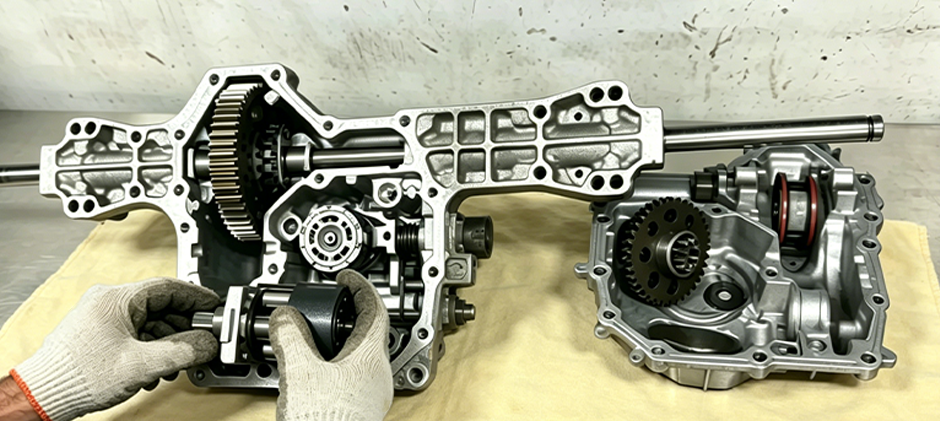
What Is Transmission Slipping?
The transmission manages immense engine power and delivers it as usable torque to the wheels or tracks. It does this by engaging a series of clutches and gears. Transmission slipping occurs when these internal components fail to properly grip or engage. Instead of a solid connection, there’s a disconnect between the engine’s speed and the machine’s actual movement. The engine might be roaring, but the power isn’t making it to the ground.
Common Signs of Transmission Slipping?
Transmissions almost always show warning signs before they fully break down.
- Engine revs high, but speed doesn’t pick up: When you hit the gas or shift gears, the engine spins fast yet the machine barely moves or can’t pull loads. It’s like the engine is running wild while the drive system isn’t keeping up.
- Gears engage late or roughly: Shifting from neutral to forward or reverse has a noticeable delay. Once the gear kicks in, you’ll feel a hard thud or jolt that shakes the whole machine.
- Slow, weak acceleration: The equipment feels underpowered. Even at full throttle, it struggles to climb small slopes or haul regular loads. It runs sluggishly and unresponsively.
- Strange noises: A good transmission runs quietly. If you hear whines, hums or buzzes that change tone as engine RPM rises, that’s a warning. Loud clanks or grinding sounds when shifting mean even bigger trouble.
- Burning odor: A sharp, bitter smell like burnt toast points to overheated transmission fluid. Excess friction inside the gearbox heats up the fluid, ruining its protective performance.
What Does a Slipping Transmission Feel Like?
Transmission slipping can make your machine harder to control and reduce its performance. In a properly working transmission, your inputs are translated smoothly into machine movement. When the transmission slips, power delivery becomes inconsistent, causing delayed response, reduced pulling power, and less predictable operation.
Why is My Transmission Slipping?
Transmissions are complicated, and lots of different issues can lead to slipping.
- Low or dirty transmission fluid: This fluid cools parts, keeps everything lubricated and builds up hydraulic pressure to engage the clutches. Leaks will drop fluid levels, so there isn’t enough pressure to keep the clutches fully locked. Work sites are dusty and grimy, so fluid easily gets contaminated, too. Dirt and debris block fluid lines and wear out parts much faster.
- Worn clutch packs: Automatic and powershift transmissions have sets of stacked clutch discs. These discs lock up to shift gears. After countless hours of heavy use, the friction lining on the discs wears down, just like vehicle brake pads. Once the lining wears thin, clutches can’t grip firmly anymore and will slip under load.
- Bad solenoids: Newer transmissions rely on electric hydraulic solenoids to control fluid flow and switch clutches on and off. If a solenoid gets stuck, has an electrical fault or starts leaking, it can’t maintain proper pressure. This leads to rough shifting and slipping.
- Torque converter problems: The torque converter connects the engine and transmission using fluid power. It lets the engine keep running while the machine stays stationary in gear. Damaged internal fins, worn bearings or a faulty lock-up clutch inside it create the same slipping symptoms. You’ll also notice overheating and big power loss.
- Overheating: These machines usually run nonstop under heavy loads, which creates a lot of heat. The transmission fluid and cooling system are meant to handle this. But if the cooler gets clogged with dirt, or you push the machine too hard, the fluid overheats. Hot fluid loses its lubricating properties, and will permanently damage seals, gaskets and clutch packs — all of which cause slipping.
How to Fix a Slipping Transmission?
Repairs vary a lot based on what’s causing the problem — it can be as easy as adding fluid, or as big as a full rebuild.
Check the Fluid First
Start by checking your transmission fluid level and condition. Park the machine on flat ground, warm up the engine and let it idle, then use the dipstick as the manufacturer recommends. Low fluid usually means you have a leak that needs fixing. If the fluid is dark brown or black, smells burnt, or has metal bits in it, internal parts are wearing out.
Change the Fluid and Filter
If the fluid is just old with no heavy metal debris, swapping out the fluid and filter often helps. Drain the old fluid from the transmission pan, install a new filter, then refill with the correct fluid specified by the maker. This basic maintenance can restore normal hydraulic pressure and fix minor slipping.
Get Professional Repairs
If a fluid change doesn’t work, or you find lots of metal shavings, call a pro. Common fixes include these:
- Replace the solenoid: If a bad solenoid is the culprit, you can usually swap it out without taking the whole transmission off.
- Rebuild the transmission: This is a major job. The transmission gets fully removed, taken apart, cleaned and inspected. All worn or broken parts such as clutches, seals and gaskets, get replaced before reassembly. It takes plenty of work, but the transmission will run like new again.
- Replace a new transmission: If you can’t afford long downtime, putting in a brand-new or rebuilt transmission is the quicker choice.
Can I Operate When the Transmission Is Slipping?
If your transmission is slipping, it’s best to stop using the machine and inspect the problem as soon as possible. Continuing to operate with a slipping transmission can lead to additional wear, reduced performance, and potentially more expensive repairs. In some cases, the machine may respond slowly, struggle under load, or lose drive unexpectedly, which can create safety concerns on the job site.
Final Thoughts
Following your equipment’s maintenance schedule and replacing the transmission fluid and filter on time can help reduce wear and prevent many transmission problems. Whether you need a transmission filter or transmission parts, FridayParts has the parts you need. We offer reliable replacement parts for a wide range of equipment brands and models.
