

What does it mean to delete a diesel? In short, deleting a diesel means removing the factory emissions control hardware from the exhaust and engine, and then reprogramming the truck’s computer so it runs without those parts. In this guide, we will explain exactly how this process works and what parts come off the truck.
What Does It Mean to Delete a Diesel?
When people say a truck is “deleted,” it means its emissions gear has been taken out or disabled. New heavy-duty diesel trucks come with factory exhaust filters and EGR systems to catch soot and cut exhaust pollution. These parts help clean the air, but they can hold the engine back and cause issues over time.
To delete them, a mechanic pulls out those big exhaust filters and swaps in a straight pipe. They also shut off the valves that send exhaust back into the engine. But if you just yank those parts off, the truck’s computer will throw errors. Dash lights pop on, and the truck goes into limp mode, slowing you way down. That’s why you also need a tune. You plug a tool into the truck’s diagnostic port and reflash the ECU with new software. This tells the computer to ignore the missing sensors and tweak fuel flow for the open exhaust.
A full delete has two steps: remove the emissions hardware, then load custom tuning so the engine runs fine without error codes. Lots of truck owners do this because factory emissions parts break easily. If you don’t drive the truck hard or on highways often, the exhaust never gets hot enough to burn off built-up soot. The systems clog up fast, and repairs get really expensive.
Which Emissions Systems Are Removed in a Diesel Delete?
To understand what deleting a diesel really means, let’s go over the parts you remove. A typical delete kit targets four main components.
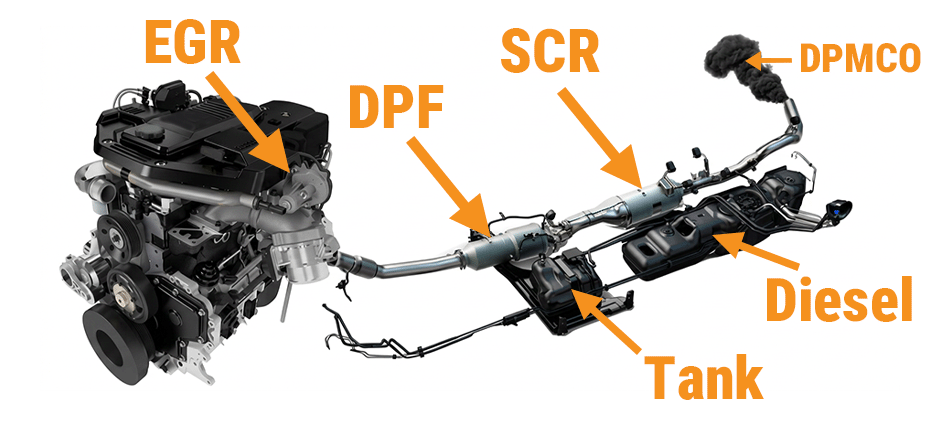
Exhaust Gas Recirculation (EGR)
EGR pulls hot, dirty exhaust and feeds it back into the engine intake. It lowers combustion heat to cut NOx pollution. The downside: oily fumes mix with soot and build up thick, gunky sludge inside your engine.
Diesel Particulate Filter (DPF)
The DPF is a big filter under the truck. It catches black soot before it exits the tailpipe. When it fills up, the truck burns extra fuel to make high heat and turn soot into fine ash. This is called regeneration. If you only take short trips, the truck can never complete the regen cycle.
Diesel Exhaust Fluid (DEF) and Selective Catalytic Reduction (SCR)
Newer trucks have a separate DEF tank; DEF is urea mixed with water. The truck sprays it into the exhaust to break down toxic gases. DEF systems break down a lot. The fluid freezes in cold weather, tank heaters fail often, and sensors are super delicate. If the DEF system dies, your truck won’t start eventually. A full delete takes out the DEF tank, injector and SCR catalyst completely.
Catalytic Converter (DOC)
Like gasoline cars, diesel trucks have an oxidation catalyst to burn leftover unburnt fuel. It sits right beside the DPF. When people pull the DPF out, they usually remove the DOC too, to get better exhaust flow.
What Are the Pros and Cons of Deleting a Diesel?
Think hard about the ups and downs before you modify your truck. People have really strong views on this.
Pros of Deleting
- Better reliability: You take out the parts that fail most often, so your truck spends less time at the repair shop. No more stress from a clogged DPF leaving you stuck on the highway with a heavy trailer.
- Better fuel mileage: The engine doesn’t have to push exhaust through tight filters anymore. Plus, the truck stops burning extra fuel for regen. Many drivers gain 2–5 miles per gallon after a delete.
- More power: Less exhaust restriction lets the turbo kick in quicker. With a good tune, a deleted truck can add 50 to 100 horsepower, which makes hauling heavy loads way easier.
- Less maintenance: You won’t need to buy DEF fluid anymore. Also, less soot gets pushed back into the cylinders, so your engine oil stays clean longer.
Cons of Deleting
- Lost warranty: If your truck still has a factory warranty, deleting it cancels your powertrain warranty right away. Dealers won’t fix engine or transmission problems once the emissions parts are gone.
- Hurts the environment: Stock emissions gear keeps exhaust clean. Pulling those parts means your truck puts out more soot, black smoke and harmful gases.
- Big upfront cost: The exhaust pipes, block-off plates and tuning software aren’t cheap. Add shop labor, and the whole job can easily run over $2,500.
Is Deleting a Diesel Truck Legal?
In the US, messing with or taking off factory emissions parts is a federal offense. The EPA bans deleting trucks that run on public roads. If your state or county does yearly smog checks, a deleted truck will fail right away. You can’t renew your registration. Even where there’s no testing, cops can hit you with big fines if they spot your modified truck blowing black smoke.
Even with these federal rules, some diesel owners still yank out emissions gear. They want more power, cut maintenance costs on emissions parts, or set up their trucks for special jobs. Diesel tuning is also popular with truck hobbyists.
Rules and smog checks are different depending on where you live. Some owners think they probably won’t get caught. But just because there’s no regular emissions test doesn’t make an illegal delete okay. You can still get fined, have registration problems, and pay a lot to put the emissions parts back on. If you drive your truck on public roads, stick with legal, emissions-friendly performance upgrades for safer long-term use.
Frequently Asked Questions About Diesel Deletes
Does a delete fix a clogged DPF?
Yes. If your truck is currently stuck in limp mode because the DPF is 100% full of soot, physically removing the filter and tuning the computer will solve the problem. The exhaust will flow freely again.
Can I delete my truck by myself in my driveway?
While it is possible, we do not recommend it for beginners. The exhaust filters under a modern 2500 or 3500 truck are incredibly heavy and awkward to handle. You will be fighting rusty bolts, hard-to-reach electrical clips, and heavy metal components. Having a proper vehicle lift makes the job much safer. You also need to know exactly how to flash the ECU properly, or you risk permanently damaging the truck’s computer.
Will deleting my truck make it louder?
Yes. The DPF and catalytic converter act like massive mufflers. When you replace them with a hollow steel pipe, you will hear much more engine noise and a very loud turbo whistle. Some drivers love the aggressive sound, while others find it annoying on long road trips.
Do I have to tune the truck if I only remove the EGR?
Yes. Any time you unplug an emissions sensor or block a factory valve, the computer will notice. Without a custom tune, the dashboard will display error codes and the engine will not run correctly.
Summary
Pulling the EGR and DPF will stop carbon gunk from wrecking your intake manifold and cut out DEF purchases. But this kills your warranty and violates federal law. Always check local rules and think about how you use your truck before changing your engine setup. Shop reliable replacement diesel engine and exhaust parts at FridayParts for your heavy-duty equipment.
