

Whether you operate an excavator, loader, bulldozer, or any other heavy equipment, a properly functioning fuel pressure regulator is essential to keeping your engine running smoothly. This guide covers everything you need to know about the fuel pressure regulator, from how it works and where to find it, to the warning signs of failure and how to test it.
What Is A Fuel Pressure Regulator?
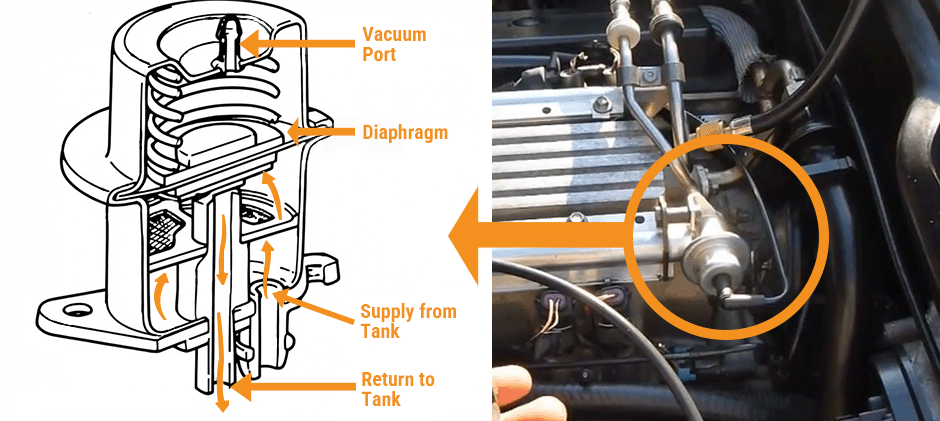
A fuel pressure regulator (FPR) is a key part of the fuel delivery system. Its main job is to maintain stable fuel pressure to the engine and fuel injectors, particularly when RPM or fuel demand changes significantly. The FPR is a spring-loaded diaphragm mechanism that connects to the fuel pump, intake manifold, and fuel rail. It also has an outlet that redirects any excess fuel back into the tank, preventing pressure buildup.
How Does A Fuel Pressure Regulator Work?
The way it works is straightforward. When air pressure builds up in the intake manifold, the spring pushes the diaphragm down, which reduces excess fuel and increases pump pressure. When the engine is idling, a vacuum forms in the intake manifold, which reduces the fuel pressure accordingly. This constant adjustment ensures the engine always receives the right amount of fuel.
Getting the pressure right is critical for engine performance:
- Too low → the fuel injector cannot deliver enough fuel for combustion
- Too high → components can fail and the air-fuel mixture becomes too rich
Simply put, the FPR constantly balances fuel pressure against air pressure in the intake manifold. This ensures the fuel injectors operate at the correct flow rate and the engine maintains the proper fuel-to-air ratio for efficient and reliable combustion.
Location Where Is the Fuel Pressure Regulator Located?
A fuel pressure regulator is usually at one end of the fuel rail, below or close to the intake manifold, or part of the in-tank fuel pump on returnless fuel systems. However, the exact location depends on your vehicle model and fuel system type. In a return-type fuel system, the FPR sits on the fuel rail, while in a returnless system, it is built into the fuel pump inside the fuel tank. In some modern vehicles, if a fuel rail pressure sensor is present, the fuel pressure is controlled electronically rather than by a traditional regulator. To locate it, simply follow the fuel rail in your engine or find the injectors directly, and you will find the FPR at the end of the rail, just before the fuel enters the engine.
8 Signs of A Bad Fuel Pressure Regulator
When the fuel pressure system fails, you may notice these bad fuel pressure regulator symptoms:
- Check engine light on
- Engine misfire, stalling, power loss or poor acceleration
- Noisy fuel Ppmp
- Black smoke coming from the exhaust
- Fuel leaks
- Fuel smell from the dipstick
- Fuel inside the vacuum hose or in the tailpipe
- Sooty spark plugs
Knowing the common symptoms of a faulty fuel pressure regulator to catch pressure problems early and keep your engine working efficiently for your excavator, loader, bulldozer or other equipment.
5 Major Causes of Fuel Pressure Regulator Failure
Understanding the primary causes of a FPR failure helps prevent breakdown.
- Contaminated Fuel: Dirt or debris in the fuel can wear down the valve seats inside the regulator over time, causing it to lose its ability to maintain proper pressure
- Clogged Fuel Filters: A blocked return or primary filter forces the regulator to work harder than it should. This added stress can cause premature wear or failure
- Corrosion: Moisture in diesel fuel lines can cause the internal springs to rust, which affects how accurately the regulator controls pressure
- Heat & Vibration: Fuel pressure regulators in heavy machinery are constantly exposed to high temperatures and strong vibrations. Over time, this can crack the diaphragm housing and cause leaks
- Improper Installation: Over-tightening, missing O-rings, or using incompatible aftermarket fittings can all cause the regulator to fail sooner than expected.
Routine inspections during scheduled maintenance — alongside regular fuel filter replacements — can catch these issues early. Always lubricate O-rings with clean diesel or PTFE-safe grease before assembly.
How to Check the Fuel Pressure Regulator?
If your fuel pressure regulator gets something wrong, you can perform a test on the fuel pressure regulator. Here is a step-by-step guide:
- Visual Inspection: Look carefully around the fuel system for any signs of fuel leaks, especially around the high-pressure pump, fuel rail, and injector lines.
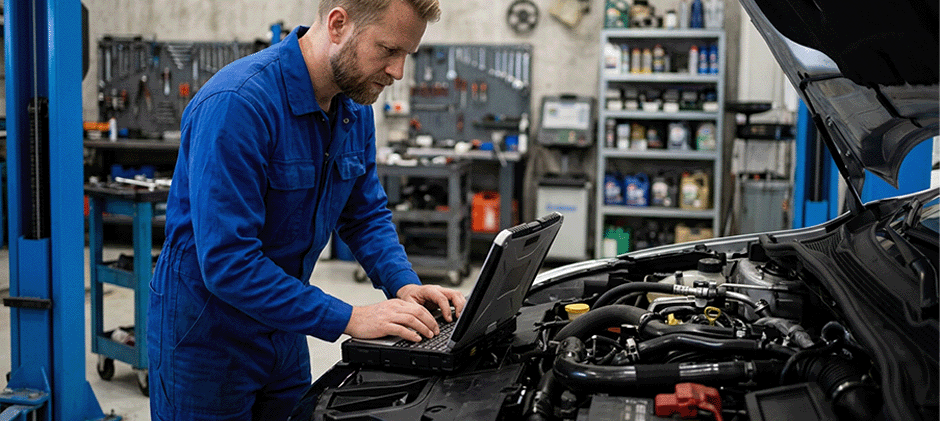
- Use a Diagnostic Scanner: Plug a diagnostic scanner into the ECU port to read real-time data from the fuel rail pressure sensor. Check for any stored fault codes at the same time.
- Compare Actual vs Desired Pressure: At both idle and load, compare the “actual pressure” and “desired pressure” readings. A large difference between the two indicates a problem.
- Test the Low-Pressure System: Connect a fuel pressure gauge to the low-pressure lift pump test port. The reading should be stable and within the manufacturer’s specified range (e.g., 5–10 PSI). Low or fluctuating pressure may point to a weak lift pump or a clogged filter.
- Check for Internal Leaks: Smell the oil dipstick for a gasoline odor and check if the oil level has risen. A rising oil level means fuel is diluting the oil. A technician can also perform an injector return flow test to identify injectors that are returning too much fuel, which lowers common rail pressure.
- Deadhead Pressure Test: This test measures the maximum output pressure of the high-pressure pump. It is a more advanced test and should only be performed by an experienced technician, as incorrect handling may damage the components.
Final Thoughts
A fuel pressure regulator plays a critical role in keeping your engine running at peak performance. By maintaining the correct fuel pressure at all times, it ensures efficient combustion and protects other components from unnecessary wear. Recognising the early warning signs of a faulty FPR — such as engine misfires, black exhaust smoke, or a lit check engine light — can save you from costly repairs down the line. Regular maintenance, clean fuel, and proper installation are the best ways to extend the life of your FPR. If you suspect a problem, follow the step-by-step testing guide above or consult an experienced technician to diagnose and resolve the issue before it leads to a breakdown.
