

When summer is in full swing, nobody wants to climb into the driver’s seat and drive around sweating like a pig. Picture being on a long trip in a heavy-duty truck or a car to another place and your A/C suddenly blowing warm air, with the temperature quickly reaching 150 degrees. That’s terrible, right? In this guide, we’ll walk you through why your car AC blowing hot air and how you can troubleshoot the unit and fix it yourself before taking it to your local mechanic.

#1 Could It Be Low Refrigerant or A Refrigerant Leak?
Refrigerant is the lifeblood of your vehicle’s A/C system. This chemical cycles through the system and takes the heat away from your cabin to the outside. If the system is low on refrigerant, your A/C system can’t function properly. That means your AC starts blowing hot air.
A refrigerant leak is often the first to blame for the warm air coming out from the air conditioner. It often occurs due to worn hoses, corroded evaporators, or loose connections. Unfortunately, refrigerant leaks are notoriously hard to detect because the fluid evaporates when it escapes.
Signs of A Refrigerant Leak
- Warm air coming from the vents
- AC performance that gradually gets worse
- Hissing sounds near AC components
- The air conditioner cycles on and off frequently
How to Fix
If you suspect a leak, you may notice that the A/C works well for a while after being serviced but then starts blowing warm air again. You can temporarily fix this issue by recharging the refrigerant. If you want a lasting solution, you may need a pro to locate and seal the leak, then refill the refrigerant to the proper level to restore the cooling performance.
#2 Is the Compressor Not Working Properly?
The compressor serves as the heart of your vehicle’s air conditioning system. It helps circulate the refrigerant between the evaporator and condenser, ensuring a smooth operation of your A/C cooling system. If the compressor fails, the refrigerant can’t move and the system won’t provide cool air. The inactivity is often responsible for the compressor problems. Over time, compressors can wear out due to age, mileage, or lack of regular use.
Common Signs of A Failing Compressor
- Warm air instead of cold air
- Clicking or grinding noises
- Compressor not engaging
- Weak cooling performance
How to Fix
If you hear loud noises or notice your AC switches to warm air after running cold for a few minutes, that’s probably a faulty compressor. The preventative actions can be as simple as running your vehicle’s A/C for several minutes every couple of weeks during the cooler weather. This keeps the compressor lubricated and helps it come back to operate properly when summer heat returns. If your compressor has already failed, it’s essential to repair or replace the ac compressor. Shop quality Air Conditioning Compressors here.
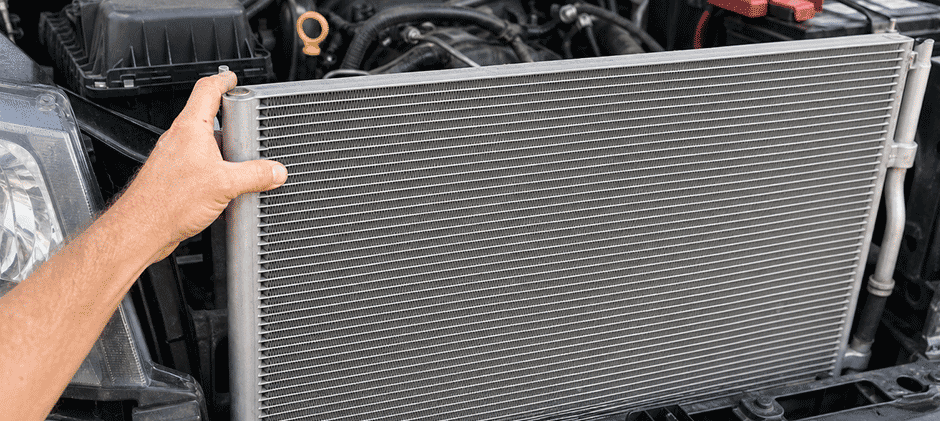
#3 Is the Condenser Blocked or Broken?
The condenser plays a crucial role in cooling refrigerant after it’s removed heat from your cabin. Dirt, debris and even an accident can block, bend or damage the condenser, which prevents it from doing its job.
Signs of A Failing Condenser
- Significantly reduced cooling
- Unusual noises like loud grinding, rattling
How to Fix
If your A/C condenser is clogged with sea leaves, dirt, and other debris, cleaning it off may solve this issue. If your condenser is broken or leaking, the only option is to replace the condenser.
Shop top-notch AC Condensers here.
#4 Is a Dirty Cabin Air Filter to Blame?
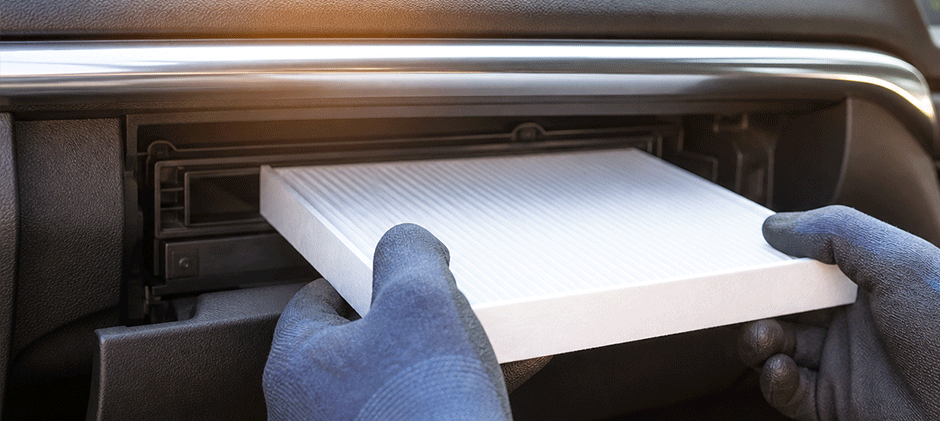
The cabin air filter removes dust, dirt, pollen and other debris from the air. Over time, this filter can become clogged, restricting airflow and reducing cooling power. Again, the AC has to work harder with more heat in the afternoon when more heat and sunlight work against it.
How to Fix
To prevent a clogged cabin air filter, it’s essential to check and change your cabin air filter regularly. Be sure to check your owner’s manual for the factory maintenance schedule. Keeping the cabin air filter clean helps to ensure optimal airflow for long, sunny drives.
#5 Are Problems with the Electrical System Responsible?
The electrical system in your vehicle is responsible for powering the A/C compressor. If there is an issue with the electrical system, it can cause the compressor to fail to turn on, or to turn only intermittently, causing warm air from the A/C vents.
Common Electric System Problems
- A faulty A/C compressor relay
- Faulty compressor clutch
- Loose or damaged wires
- Bad pressure switch
- Blown fuses
- A problem with the main power supply to the A/C system
- Failed HVAC control module
How to Fix
If you suspect that there may be a problem with the electrical system, it’s important to have it checked out by a qualified mechanic as soon as possible.
DIY Diagnosis and Quick Fixes
You can identify many AC problems on your own and fix them easily. Here are general steps for troubleshooting and fixing car AC blowing hot air.
- Check the cabin air filter: If the filter is dirty or clogged, clean and replace it with a quality cabin air filter from reliable suppliers.
- Inspect the heater fan: If the heater fan only blows on high speed, that might be a faulty blower motor resistor or a blown fuse. Shop quality blower motor resistors here.
- Clean off the radiator: If your radiator is blocked with debris like leaves, dirt and bugs, wash it off to allow air to pass through it and the condenser
- Inspect all the wiring connections: You can inspect all the wiring connections you can access. There might be a loose connection at the AC compressor or other places. Check along the wires for rubs or cuts.
- Check the refrigerant level and top it up: You can use a DIT refrigerant kit with a gauge to see if the system is full or low. Top up the refrigerant level according to the product’s instructions and check the vent temperatures again.
Conclusion
AC blowing hot air can be daunting in scorching summer. To improve cabin comfort and personal safety while driving, it’s essential to inspect and fix the potential causes for the poor AC performance. At FridayParts, you can explore a vast selection of quality air conditioning parts for your cars, trucks and other heavy-duty machinery.
