

When picking 10W30 vs 10W40, the big difference is how thick the oil is once your engine warms up to normal running temp. Both flow the same when you cold‑start the engine. But 10W‑40 stays a little thicker than 10W‑30 after the engine gets hot. Want to figure out which one keeps your machine running well and avoids extra wear? We’ve got all the info you need right here.
What Do 10W30 and 10W40 Mean?
10W30 and 10W40 are both multi‑grade engine oils. Back in the day, machine owners had to run thinner oil in winter and swap over to thicker oil for summer. Multi‑grade oils fixed that. They behave like two different oils based on how hot the engine gets.
These oil ratings come from SAE, the Society of Automotive Engineers. The number before the “W” shows how the oil works when it’s cold. And “W” means Winter. Since both are 10W, their cold‑weather performance is identical. On those cold mornings when you fire up your engine, both oils flow fast out of the oil pan, go through the oil pump, and reach the top of the engine right away. That keeps metal parts from scraping and wearing against each other.
Now the second number is where they differ. Those “30” and “40” numbers show viscosity- how thick the oil is once the engine hits full operating heat, tested around 212°F (100°C). A bigger number means the oil stays thicker when things get hot. So when your engine is working hard and running warm, 10W‑40 is thicker than 10W‑30.
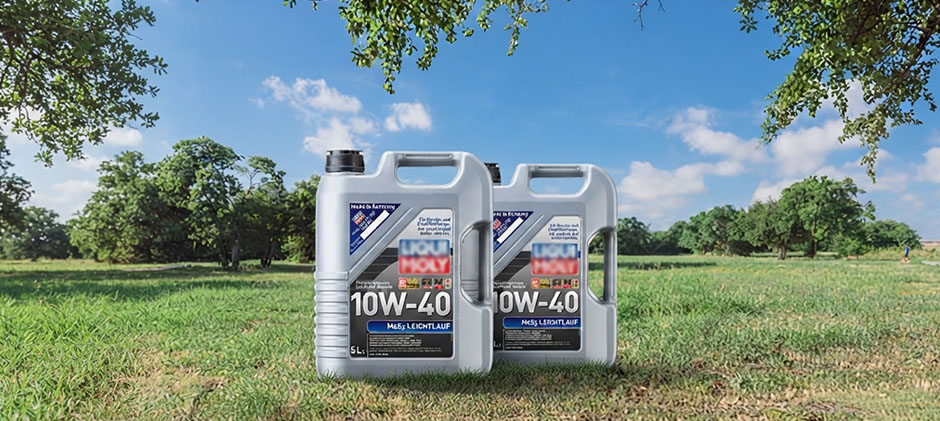
10W-30 vs 10W-40: Key Differences
To make it easier to understand how these two common oils compare at a glance, we have put together a quick breakdown of their main characteristics.
| Feature | 10W-30 | 10W-40 |
|---|---|---|
| High-Temperature Viscosity | Thinner (Flows faster at 212°F / 100°C) | Thicker (Maintains a heavier film at 212°F / 100°C) |
| Cold-Start Performance | Excellent (Identical 10W winter rating) | Excellent (Identical 10W winter rating) |
| Fuel Economy | Better (Less fluid drag on engine parts) | Slightly lower (More resistance requires more energy) |
| Suitable Conditions | Moderate climates, newer engines, standard loads | Hot climates, older engines with wear, heavy loads |
“While a thicker oil provides a thicker cushion, a thinner oil flows faster. Fast-flowing oil is vital because oil does more than just lubricate; it also cools the internal parts of the engine by carrying heat away from the combustion chamber.”
When you’re comparing 10W‑30 and 10W‑40, the main thing is how the oil holds up in really hot, heavy‑load conditions. Since 10W‑40 is thicker once the engine is warmed up, it leaves a slightly heavier oil coating over all the moving parts. This thicker layer helps fill small gaps inside older engines and gives solid padding between big metal components.
Still, thicker oil isn’t always the best choice. It creates more resistance inside your engine. It’s basically like stirring honey instead of water. The engine has to push harder to move 10W‑40 through all those narrow oil paths. That extra effort robs a little bit of power and brings your fuel mileage down.
Now 10W‑30 runs thinner at operating temperature. It moves through the engine much easier and cuts down that internal drag. The oil pump doesn’t struggle pushing this lighter‑bodied oil around, so 10W‑30 usually gets you better gas mileage and lets the engine rev more freely. Lots of newer engines have super tight clearances between moving pieces. They depend on fast‑flowing thinner oil such as 10W‑30 to pull heat out of those tiny gaps.
Can You Use 10W-40 Instead of 10W-30?
A lot of equipment owners ask if they can just switch straight from one oil to the other. Plenty of folks figure switching over to 10W‑40 in the hot summer will give the engine extra protection. That makes sense at first glance, but it’s not always the right call.
- It’s okay to change to 10W‑40 from 10W‑30 only when your engine manufacturer lists 10W‑40 as an approved pick in the owner’s manual. Engine designers put in thousands of hours testing oil flow for each specific engine. If your engine has really tight internal clearances, running thicker 10W‑40 could keep oil from getting to key parts quickly enough.
- If you live somewhere extremely hot, or you’re going to run your equipment under heavy loads for hours out in the burning sun, go check your owner’s manual to see if 10W‑40 is permitted. Lots of manuals include a temperature chart: 10W‑30 works best for regular‑day weather, and 10W‑40 is okay only for super‑hot conditions.
- You also have to keep in mind what kind of machine you’re working on. Take many off‑road vehicles and motorcycles for example. They share one oil system. The same oil lubricates the engine, transmission, and wet clutch all at once. If you use regular car oil that has friction‑modifier additives, your clutch could start slipping. No matter if you go with 10W‑30 or 10W‑40, always grab an oil made specifically for your machine.
Does 10W40 Improve Engine Protection or Oil Pressure?
One of the main reasons people switch from 10W-30 to 10W-40 is because they see their oil pressure gauge dropping when the engine gets hot. It is true that putting a thicker oil in your engine will usually make the oil pressure gauge read higher. But we need to look closely at what that actually means for engine protection.
Oil pressure and oil flow are two different things. The oil pump pushes a certain amount of oil with every turn. The pressure is just a measure of the resistance to that flow. Because 10W-40 is thicker, it resists flowing through the engine’s narrow passages more than 10W-30 does. This resistance causes the pressure in the system to go up, which makes the gauge on your dashboard look great.
However, higher pressure does not mean you are getting more oil to the parts that need it. In fact, you might be getting less flow. If your engine is older and has a lot of hours on it, the spaces between the metal parts might have worn down and become larger. In this specific case, the thinner 10W-30 oil might flow out of those gaps too quickly, causing a real drop in oil pressure. Switching to 10W-40 can help fill those wider gaps, slow down the oil loss, and quiet down noisy engine parts. Just keep in mind that using a thicker oil is a temporary way to extend the life of a worn engine, not a permanent mechanical repair.
“If you block a hose, the pressure goes up, but the flow stops entirely. In an engine, you want a high volume of oil flowing over the bearings to keep them cool and lubricated, rather than just a high pressure reading on a gauge.”
Which Oil Should You Choose for Your Engine?
Picking between 10W‑30 and 10W‑40 all depends on your own real‑world situation.
- Owner’s manual: The engineers that built your machine know exactly which oil it needs. If your manual calls only for 10W‑30, stick with 10W‑30. That way oil flows quickly to keep your engine protected.
- Working environment: For moderate‑temperature areas, 10W‑30 is normally your best everyday option. It delivers solid cold‑start protection, decent fuel mileage, and quick‑moving oil flow. If you’re working out in desert‑style heat or running your equipment flat‑out through hot summer days, switching to 10W‑40 gives you a thicker oil layer to stop metal parts from rubbing directly against each other.
- Age and condition of your engine: Brand‑new engines with tight‑fitting internal parts need thinner oil. Older engines that burn a little oil or have a faint tick can run more smoothly and hold better oil pressure when you go with the thicker 10W‑40.
No matter which oil viscosity you decide is right for your machine, getting the right maintenance items is crucial. As an aftermarket parts supplier, we provide high-quality products at affordable prices. We carry a vast inventory with wide compatibility for many heavy equipment brands, ensuring you can always find the exact filters, parts, and accessories you need to keep your engine running strong for years to come.
Final Thoughts
At the end of the day, picking 10W‑30 or 10W‑40 means matching the oil’s hot‑weather thickness to your engine’s design and local weather. Always check your owner’s manual first, think about how worn your engine is, and go with the viscosity that works best for your machine’s everyday jobs. Whichever oil you end up using for your equipment, getting the right maintenance parts really matters. FridayParts carries great‑quality parts at budget‑friendly prices.
