Comparison & Lists

Simplify your choices with detailed side-by-side parts comparisons and helpful 'best of' lists for off-road equipment.

All

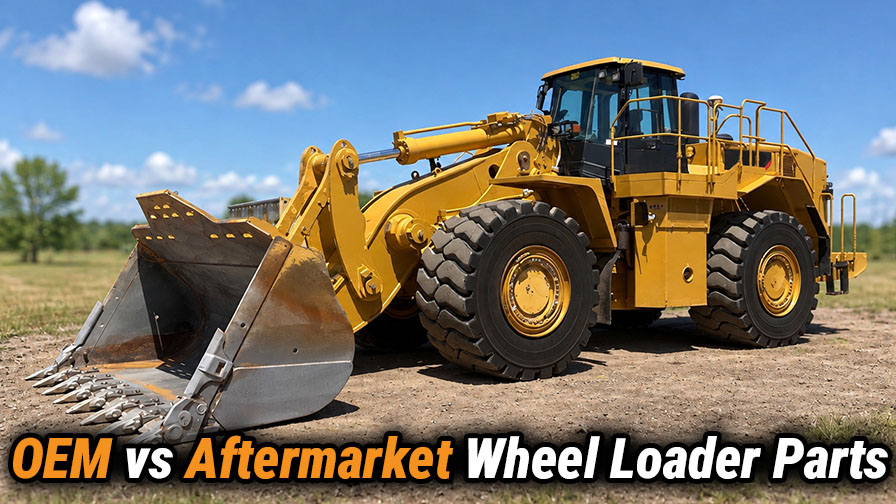
OEM vs Aftermarket Wheel Loader Parts: Guide to Fit & Reliability
Nov 23, 2026

OEM vs Aftermarket Wheel Loader Parts: Guide to Fit & Reliability

Don’t overpay at the dealer or risk downtime with cheap knockoffs. This guide breaks down OEM vs aftermarket wheel loader parts, showing you exactly where to save money on wear items and when to stick with factory specs.

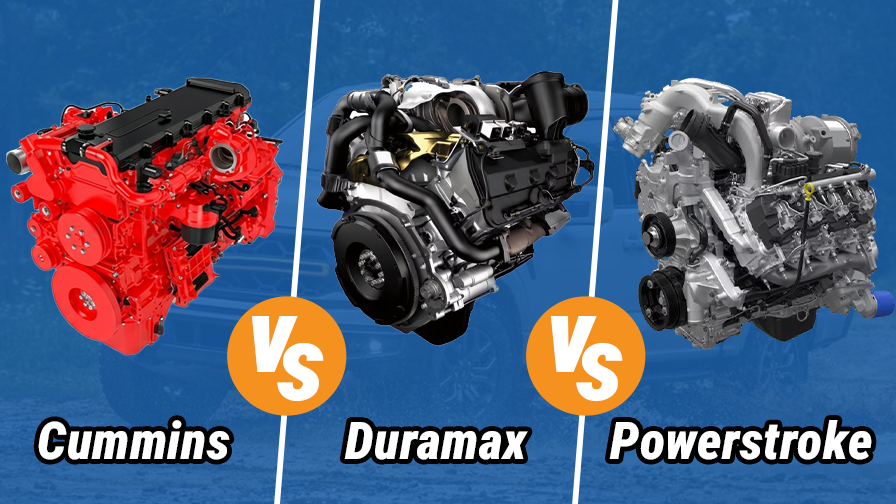
Duramax vs Cummins vs Powerstroke: Which Diesel Engine Is Better?
Nov 21, 2026

Duramax vs Cummins vs Powerstroke: Which Diesel Engine Is Better?

Finding the right diesel depends on your workload. This duramax vs cummins vs powerstroke comparison breaks down specs, towing capacity, and common issues to help you choose the best engine for heavy hauling or highway driving.

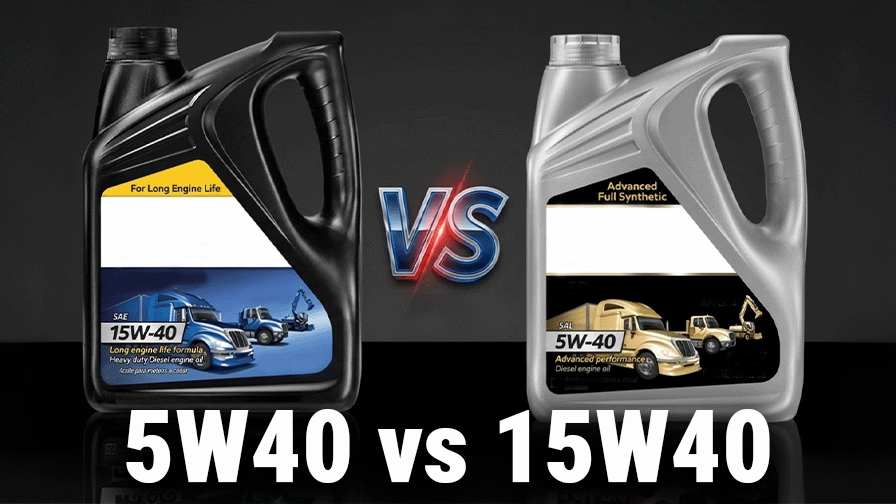
5W40 vs 15W40: Which Diesel Oil Fits Your Machine?
Nov 17, 2026

5W40 vs 15W40: Which Diesel Oil Fits Your Machine?

5W40 vs 15W40 protect a hot diesel about equally. Where they part company is the grade in front of the W, which buys about ten degrees more cold headroom: a machine worked through hard winters wants 5W40, and one that runs above freezing does fine on the cheaper 15W40. The W stands for winter, not weight, and the number in front of it describes what the oil does in the cold. A lower number means it still flows at lower temperatures, so a 5W grade passes the cold tests where a 15W grade fails them, which is what gives you easier cranking and faster oil flow on a cold start. After the W comes a different measurement: the thickness at operating temperature, around 100°C or 212°F. Both grades carry a 40 there, which puts them in the same band of 12.5 to under 16.3 mm²/s. Once your diesel is warm and working, the two oils hold about the same film on the bearings, cam and cylinder walls. SAE checks cold behavior with two tests. Cold cranking asks whether the starter can turn the engine over, and there the limit is 6,600 mPa·s at -30°C for a 5W40 against 7,000 mPa·s at -20°C for a 15W40. Pumping asks whether the pump can pull the oil up and move it through the engine, and both grades share a 60,000 mPa·s ceiling, reached at -35°C for the 5W and -25°C for the 15W. The limits look close until you read the temperatures. At -25°C a 15W40 sits right at its pumping limit, while a 5W40 at the same temperature still flows with room to spare. Pour points point the same way: about -40°C or lower for 5W40, and -27°C to -33°C for 15W40.

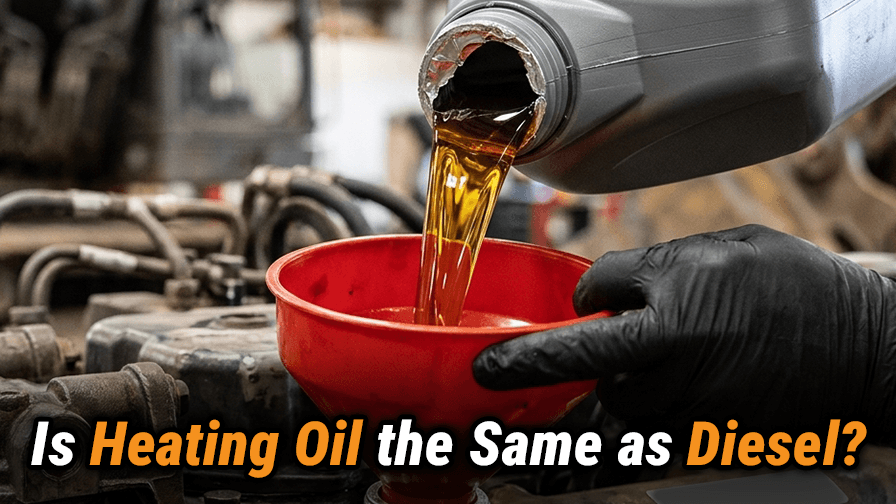
Is Heating Oil the Same as Diesel?
Nov 14, 2026

Is Heating Oil the Same as Diesel?

When comparing heating oil vs diesel, the differences are clear. Diesel meets strict lubricity and cetane standards to protect engines. Heating oil lacks these specs and will quickly damage your heavy equipment’s fuel system.

What Is the Difference Between 2-Stage and 3-Stage Snow Blowers?
Nov 7, 2026

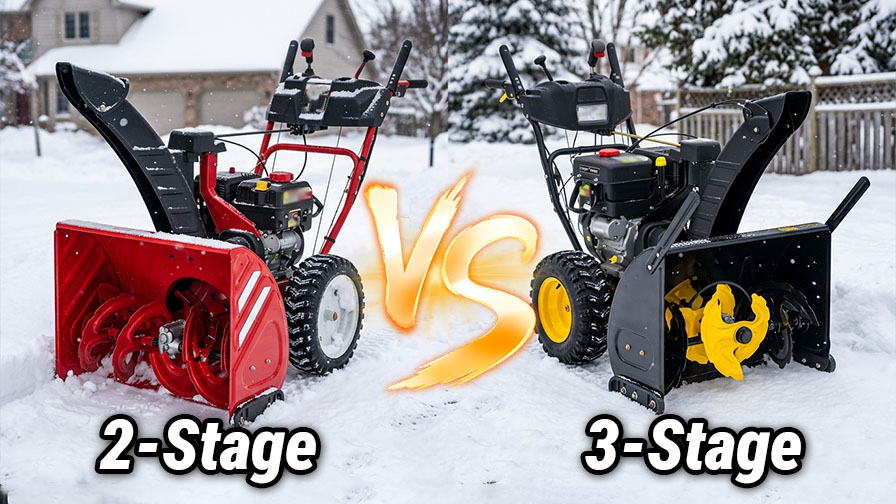
What Is the Difference Between 2-Stage and 3-Stage Snow Blowers?

Choosing between a 2-stage vs 3-stage snow blower depends on your winter weather. While 2-stage models offer reliable clearing for most homes, 3-stage units add an accelerator to crush heavy ice and deep, wet slush.

Wet Clutch vs. Dry Clutch: Differences & Applications
Nov 3, 2026

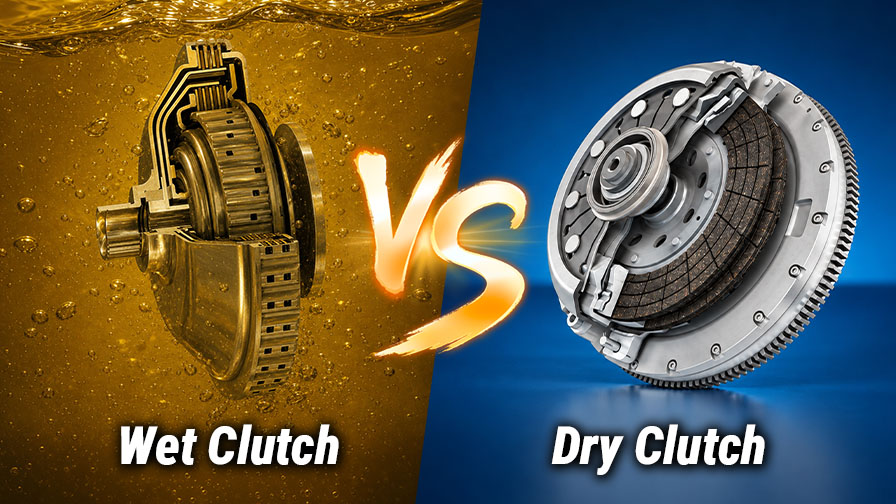
Wet Clutch vs. Dry Clutch: Differences & Applications

Discover the exact differences between a wet clutch vs dry clutch for heavy equipment. We cover how oil-bathed and air-cooled systems work, their pros, cons, and ideal uses, plus tips to avoid serpentine belt noise.

Kubota L3902 HST vs. Gear for Loader Work
Oct 20, 2026

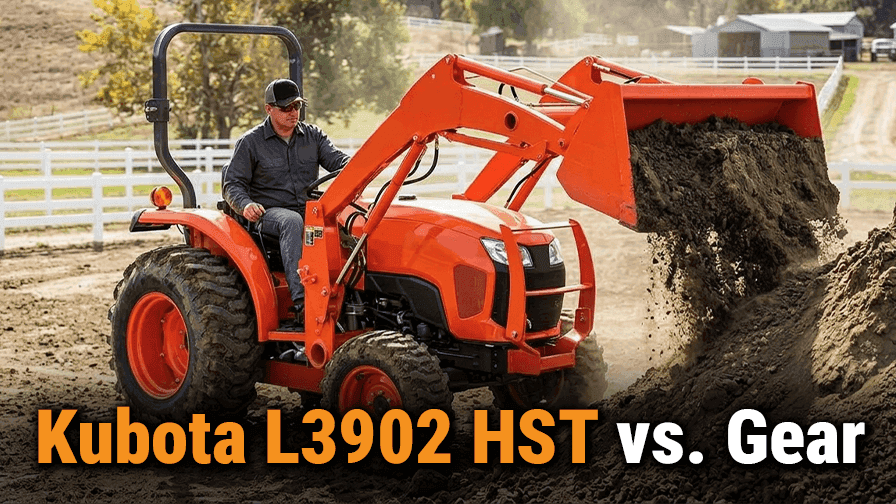
Kubota L3902 HST vs. Gear for Loader Work

Kubota L3902 HST vs gear for loader work. For a 60 percent loader schedule, HST fits better than gear. Loader work is not just about power. It is about repeat cycles. Drive into the pile. Curl the bucket. Back out. Turn. Dump. Repeat dozens of times. That kind of repetitive back and forth is exactly where hydrostatic drive earns its keep. HST models shift speed and direction smoothly. Approaching a pile, trailer, barn wall, or pallet gets more precise. Gear drive still deserves respect. Long days of deep pulling, extended grading runs, or open-field work would tip the balance toward it. But for properties where compost and gravel make up most of the tasks, HST’s day-to-day comfort and control outweigh the drawbar efficiency loss for most owners. Where gear still has an edge is pulling power to the ground. Gear drive is more efficient at sending engine power to the wheels. This advantage shows up most in heavy box blade work, deep ripping, tillage, long uphill pulls, dragging logs, and large ground engaging tools. Between the Kubota L3302 and Kubota L3902 HST, the bigger machine makes more sense if gravel work is a regular job and the price jump is modest. More horsepower reserve. Better fit for loader tasks. More comfort with heavier buckets. Better margin for mowing and pulling later.

The John Deere X350 Comparison Guide
Oct 19, 2026

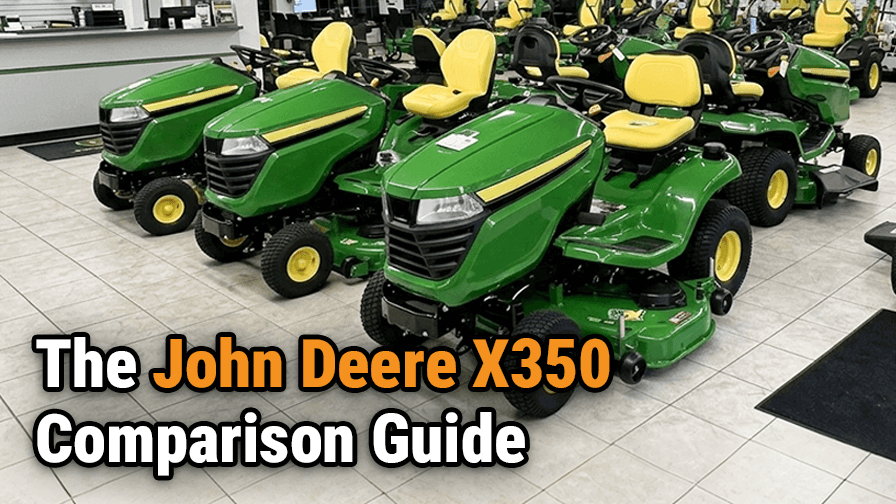
The John Deere X350 Comparison Guide

The John Deere X350 offers premium features for flat yards, but how does it stack up? We compare the X350 against the S240, X330, X370, and X380, highlighting differences in engines, transaxles, and terrain capabilities.

Kodiak 700 vs Grizzly 700: Which ATV Is Better for You?
Oct 18, 2026

Kodiak 700 vs Grizzly 700: Which ATV Is Better for You?

In our Kodiak 700 vs Grizzly 700 comparison, we break down how CVT tuning, suspension, and brakes change the ride. Discover which 700cc Yamaha ATV is the right choice for your farm chores or aggressive weekend trail riding.

Yamaha Kodiak Vs Grizzly: Which ATV Fits You Best?
Oct 16, 2026

Yamaha Kodiak Vs Grizzly: Which ATV Fits You Best?

Can’t decide between the Yamaha Kodiak and Grizzly? Kodiak is built for work and value; Grizzly is built for trail comfort and fun. This comparison breaks down engine power, EPS steering, suspension feel, brake design, and real-world use cases — so you can pick the right model, whether that’s the Kodiak 450 EPS, Kodiak 700 EPS, or Grizzly 700 EPS, and buy once instead of twice.

Single-Stage vs Two-Stage Snow Blower
Oct 10, 2026

Single-Stage vs Two-Stage Snow Blower

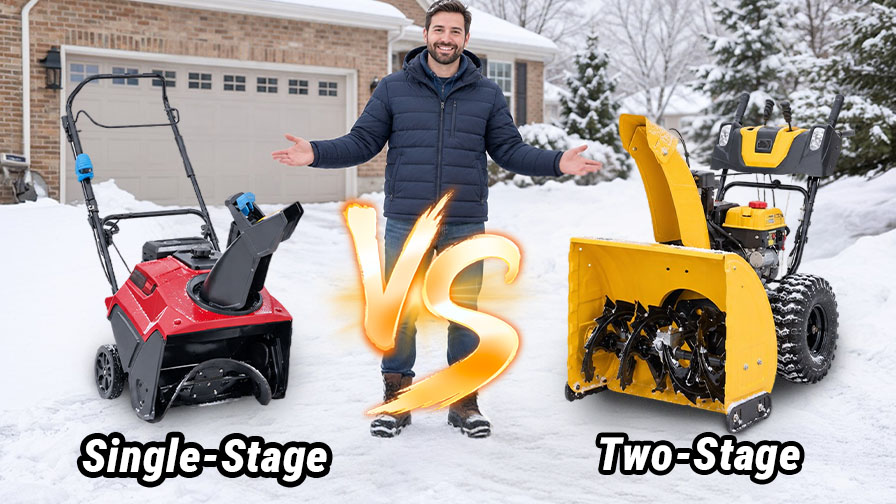
Choosing a single-stage vs two-stage snow blower depends on your winter weather and driveway type. Single-stage models are perfect for light snow on paved surfaces, while two-stage units easily tackle heavy snow and gravel.

10W30 vs 10W40: What’s the Difference?
Oct 8, 2026

10W30 vs 10W40: What’s the Difference?

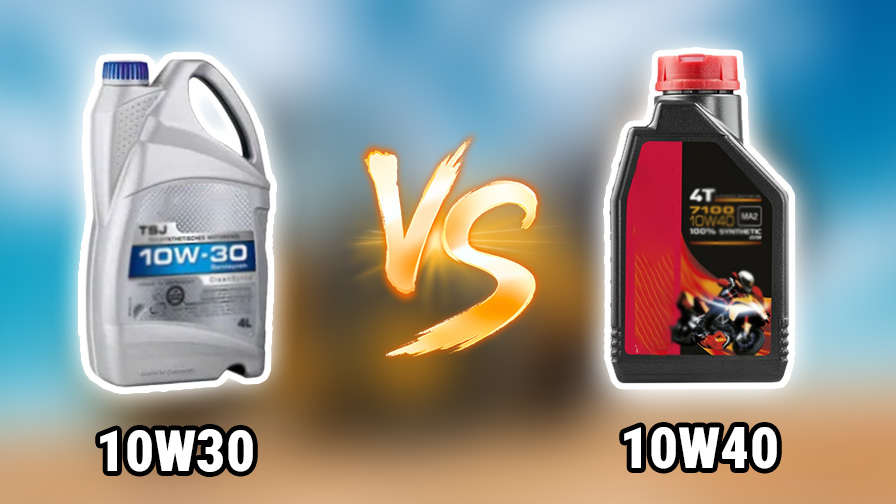
When comparing 10W30 vs 10W40, the main difference is hot-temperature viscosity. 10W40 stays thicker for heavy loads and older engines, while 10W30 flows faster. Learn which oil is best for your off-road machinery.