

Rotor engines and piston engines are two common engine types in heavy equipment. Are rotor engines louder than piston engines? The short answer is yes—they make significantly louder, higher-pitched noises. But why does a rotary engine scream while a piston engine merely rumbles? The secret lies in a fascinating design quirk: its combustion chamber literally moves as it runs, completely changing how sound waves escape. For heavy equipment operators, this noise isn’t just annoying—it directly drains daily productivity. What is the mechanical reality behind this high-decibel difference, and could choosing the wrong engine be costing you thousands in fuel and wear? Keep reading to find out.
Why Does Rotor Engine Make So Much Noise?
If you own rotor engine equipment, you must be familiar with the exciting “pop” sound when pressing the accelerator. The sound of the rotor engine is incredible. The major reasons lie in its special construction, including combustion, mechanical motion, exhaust systems, and airflow. Though both rotor engines and piston engines rely on burning fuel to generate power, the design of each type creates different patterns of combustion and mechanical movement. In rotor engines, the combustion process is accomplished within a corner of the rotor, a space that changes as the rotor rotates, which means that the combustion process takes place in a constantly changing volume. This rapidly changing combustion process may generate additional noise.
As for piston engines, the movement of the piston is relatively smooth as the piston is held inside the cylinder. On the contrary, in a rotor engine, a triangular-shaped rotor rotates inside an oval-shaped cylinder and rolls to complete the process of intake, compression, combustion, and exhaust. This movement generates vibrations, especially at high speeds. One of the classic characteristics of the rotor is its high PRM characteristic. It can lead to increased noise as the rotor spins very fast.
How Do Rotor Engine & Piston Engine Work?
As we talked about before, rotor engines are distinct in their design compared to piston engines. A piston engine is a reciprocating internal combustion engine, characterized by the reciprocating motion of the piston in the cylinder, through the reciprocating motion of the piston to convert the thermal energy generated by the combustion of fuel into mechanical energy. The working cycle of a piston engine consists of four strokes: intake, compression, work (explosion), and exhaust. A rotor engine uses a rotating rotor instead of a piston in a reciprocating piston engine. The rotor rotates inside a fixed housing that is shaped like a triangle, and the apex of the rotor moves inside the cylinder as it rotates, completing the aforementioned 4 processes.
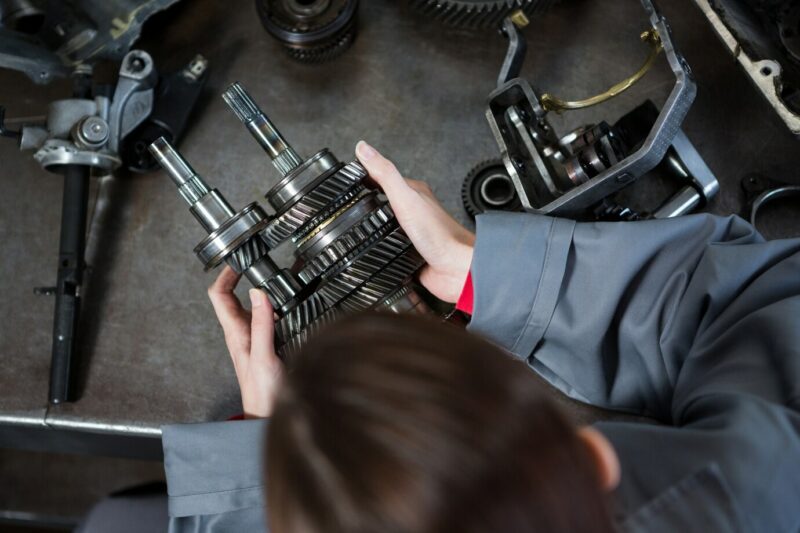
Speaking of construction, a piston engine consists of multiple cylinders. Each with one or more pistons, which use a crankshaft to convert the linear motion of the pistons into rotational motion. While a rotor engine usually has only one rotor, it is more compact and abandons many reciprocating parts found in traditional piston engines.
Rotor Engine or Piston Engine?
Many people claim the benefits of a rotor engine, such as its compact design and easy maintenance. Due to their small size, rotary engines can be mounted on vehicle chassis, providing good handling and balance. Although rotary engines require some special maintenance, such as preheating and checking the oil level, they are still relatively low-maintenance and have a long lifespan. But the noise is a key consideration too. The high-frequency sound can be much harsher, so it could significantly affect operators’ comfort. Also, it consumes more fuel and emits more, so it is not friendly to sustainable development.
Piston engines and rotor engines have different applications due to their special characteristics. Piston engines are widely used in various types of vehicles and machinery, including excavators, trucks, cars, ships, etc. You can discover a rotor engine in a high-performance car due to its compactness and high-speed potential. Meanwhile, the loud noise could be an exciting auditory stimulus for the driver. They are less common in heavy machinery, as heavy equipment requires high torque and durability, areas where piston engines excel.
To conclude, rotor engines are compact, lightweight, and suitable for high-performance vehicles. If you don’t mind the loud noise, it’s ideal for your race car or other related vehicles. But higher fuel consumption makes them less ideal for heavy machinery. Piston engines, on the other hand, offer greater torque, durability, and fuel efficiency, making them better suited for equipment like excavators, trucks, and other heavy-duty machinery. For equipment owners looking for reliable, cost-effective aftermarket parts, piston engines remain the more practical choice.
Aftermarket Engine Parts Solutions
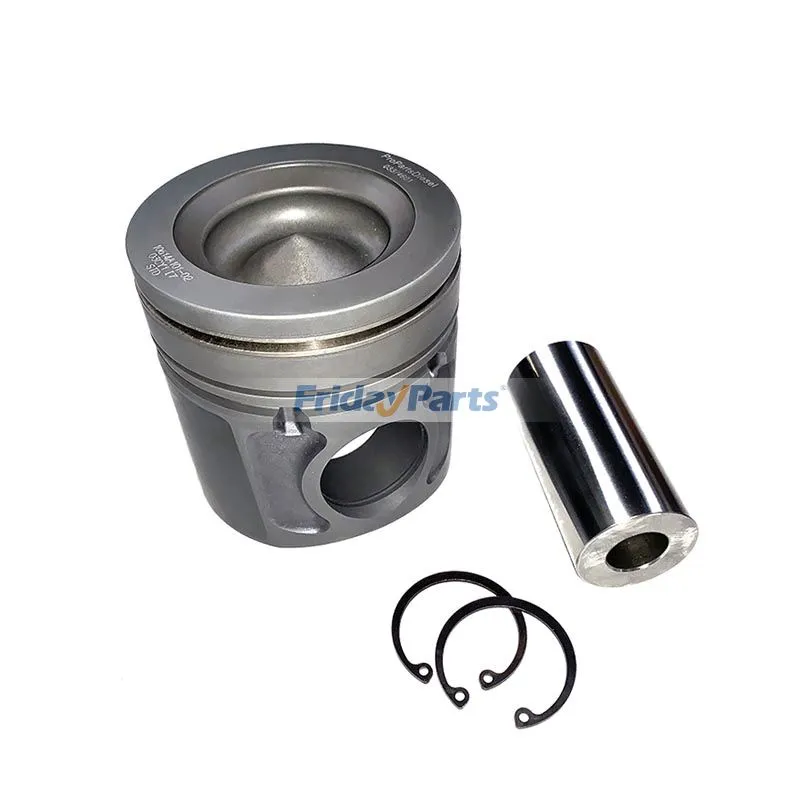
Understanding the engine noise characteristics is key for heavy equipment owners to make a purchasing choice. If you are considering an engine replacement for your equipment, a piston engine might be a wise choice. If you are looking for quality aftermarket engine parts solutions for your Komatsu, Bobcat, John Deere, CAT, Hitachi, Perkins, or other brands of equipment, visit FridayParts.com for more high-quality solutions at a reasonable price.
Conclusion
Overall, rotor engines are undeniably louder due to their compact, high-speed design. While noise is a major factor for operator comfort, you must also weigh fuel efficiency, torque, and durability when choosing the right engine for your machinery. If you need reliable, cost-effective replacement parts to keep your equipment running quietly and efficiently, visit FridayParts.com today! We offer quality piston engine parts, rebuild kits, and assemblies for Komatsu, Bobcat, John Deere, CAT, Hitachi, Perkins, and more.
