

A single blown fitting can instantly paralyze your multi-ton excavator, costing you thousands in lost downtime and ruined hydraulic fluid. If you are running heavy machinery under extreme pressure, relying on the wrong connection is a financial ticking time bomb. JIC hydraulic fittings are the solution. These fittings are specialized connectors defined by a 37-degree flare seating surface and parallel thread machining for leak-free, highly reliable connections under intense pressure and constant vibration. In this guide, we’ll walk you through why JIC hyrdaulic fittings are your ideal choice and how to choose the right ones for your heavy machinery.
What Are JIC Hydraulic Fittings?
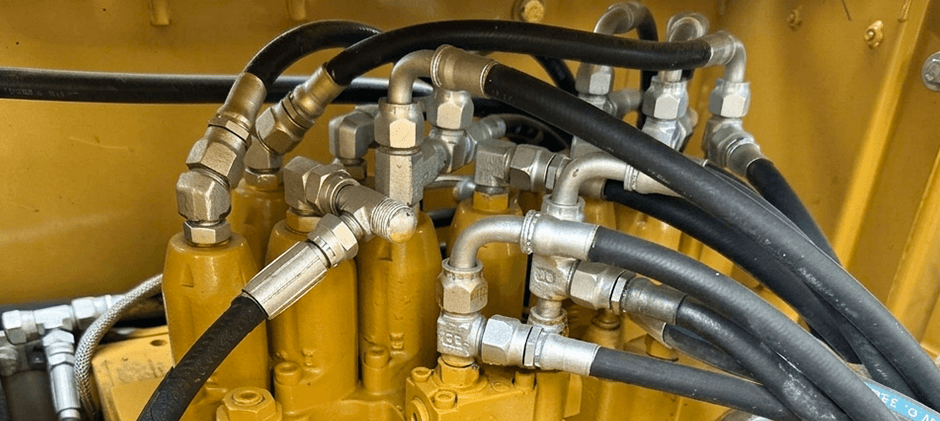
JIC stands for Joint Industry Council, a standard that defines hydraulic fittings with a 37-degree flare seating surface and parallel thread machining. These fittings are usually made of nickel alloy, brass, carbon steel or stainless steel, creating a metal-to-metal seal. This metal-to-metal cone flare ensures a secure and reliable connection under high pressure and vibration, making it a go-to choice for connecting components in hydraulic systems.
The seal is achieved through direct contact between the male flare and the female cone seat, creating a mechanical connection. A complete JIC tubing assembly is made up of three components: the fitting body, the flare nut, and the sleeve. In the market, these are commonly referred to as a flared fitting, well known for its performance in high-pressure hydraulic applications.
Why JIC Fittings Are Ideal for Heavy Machinery
Heavy equipment operates in extremely harsh conditions, making it a must for hydraulic components to withstand high pressure, vibration and other environmental stress. Here is why JIC fittings should be your go-to choice:
- High-pressure capability to manage rigorous hydraulic systems
- Leak-resistant seal with their 37-degree flare
- Resistance to wear, corrosion and harsh environments
- Simple installation and reusability in use
- Compatible with a wide range of equipment
Types of JIC Fittings for Heavy Machinery
Understanding the different types helps you choose the correct fitting for your applications:
- Male JIC fittings: External threads with a flare seat
- Female JIC fittings: Internal threads with a matching flare
- Straight fittings: Direct connections for simple layouts
- Elbow fittings (45° and 90°): Ideal for tight spaces or directional changes
- Tee and cross fittings: Allow multiple line connections
- Bulkhead fittings: Used for passing through panels
- Adapters and connectors: Enable compatibility between different systems
How to Choose the Right JIC Hydraulic Fittings?
Key Factors to Consider
Here are key considerations when choosing the JIC hydraulic fittings.
- Material Selection: Choosing the right material is vital to ensuring the reliability of your heavy machinery. Carbon steel is ideal for general heavy-duty use, stainless steel for corrosive environments and brass for low-pressure or less demanding systems.
- Pressure Ratings: Always match the fitting’s pressure rating (PSI) with your system requirements. Underrated fittings can lead to hydraulic failure and safety hazards.
- Size and Thread Compatibility: The fitting size and thread type are also important. Even though the JIC fittings follow standardized sizing, it’s better to make proper verification.
- Application Requirements: Always consider where and how the fittings will be used. Construction, agricultural machinery or mining operations?
- Quality Standards and Certifications: Look for fittings that meet recognized standards such as SAE or ISO. Certified products ensure safety, reliability, and performance.
Steps to Choose the Correct JIC Fittings for Heavy Machinery
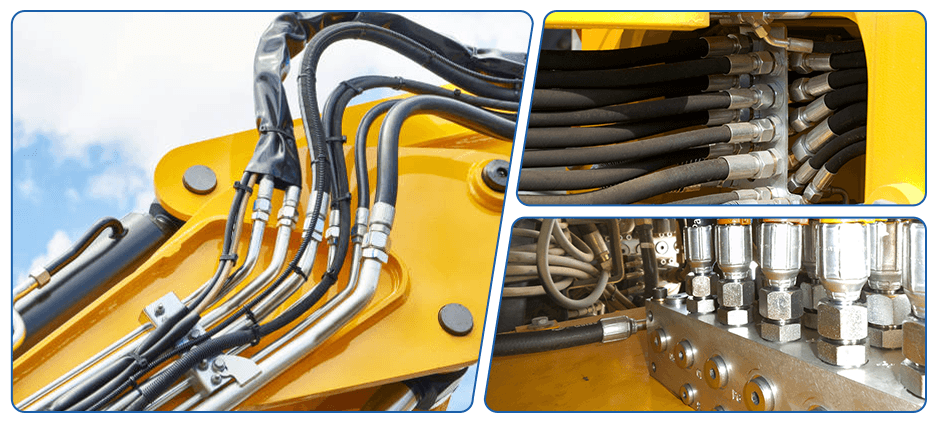
Selecting the right hydraulic fittings is super easy with the following steps:
- Identify your hydraulic system’s pressure and temperature requirements
- Determine the correct size and thread type
- Consider the operating environment to select the right material
- Review manufacturer specifications and compatibility
- Avoid mixing incompatible fitting types
A careful selection process ensures a carefree operation experience. FridayParts offers quality hydraulic connection parts, including couplers, hoses and other connectors to ensure minimal downtime and avoid costly failures.
JIC Fitting Thread Size Chart
| Inch size | Dash size | Thread Size | Male Thread O.D. (in) | Female Thread O.D. (in) |
|---|---|---|---|---|
| 1/8 | -2 | 5/16 – 24 | 5/16 | 9/32 |
| 3/16 | -3 | 3/8 – 24 | 3/8 | 11/32 |
| 1/4 | -4 | 7/16 – 20 | 7/16 | 13/32 |
| 5/16 | -5 | 1/2 – 20 | 1/2 | 15/32 |
| 3/8 | -6 | 9/16 – 18 | 9/16 | 17/32 |
| 1/2 | -8 | 3/4 – 16 | 3/4 | 11/16 |
| 5/8 | -10 | 7/8 – 14 | 7/8 | 13/16 |
| 3/4 | -12 | 1 1/16 – 12 | 1 1/16 | 1 |
| 7/8 | -14 | 1 3/16 – 12 | 1 3/16 | 1 1/8 |
| 1 | -16 | 1 5/16 – 12 | 1 5/16 | 1 1/4 |
| 1 1/4 | -20 | 1 5/8 – 12 | 1 5/8 | 1 9/16 |
| 1 1/2 | -24 | 1 7/8 – 12 | 1 7/8 | 1 13/16 |
| 2 | -32 | 2 1/2 – 12 | 2 1/2 | 2 7/16 |
Maintenance and Inspection Tips
Regular maintenance extends the lifespan of your JIC fittings and the reliability of your heavy machinery.
1. Inspect regularly for leaks or corrosion
2. Check for cracks or worn threads
3. Replace damaged fittings immediately
4. Keep connections clean and properly tightened
Preventive maintenance minimizes unexpected breakdowns and improves system efficiency.
Final Words
JIC hydraulic fittings provide an excellent connection for heavy machinery. When it comes to selecting the right ones, you need to consider the materials, sizes and where they will be used for reliable performance of your heavy machines. At FridayParts, we are committed to offering a vast selection of quality hydraulic hoses, couplers and other hydraulic connectors for great protection of your hydraulic systems. Explore our extensive catalog now and enjoy reliable rigs later.
