Buying Guides

Get expert advice and comparisons to confidently select the best value parts for your machinery needs.

All

Excavator Solenoid Valve: How to Choose the Right One?
Nov 24, 2026

Excavator Solenoid Valve: How to Choose the Right One?

A quality solenoid valve ensures the performance of your excavator’s hydraulic system. When it comes to selecting the right solenoid valve, you should watch for specifications like voltage rating, operating pressure, flow rate, coil resistance, port configuration and connector type. Always choosing from a reliable supplier ensures a long service life for the tiny part on your excavator. Move on to reading and explore how to choose the solenoid valve yourself.

What Is a Grain Cart? 8 Biggest Grain Carts in the World?
Nov 19, 2026

What Is a Grain Cart? 8 Biggest Grain Carts in the World?

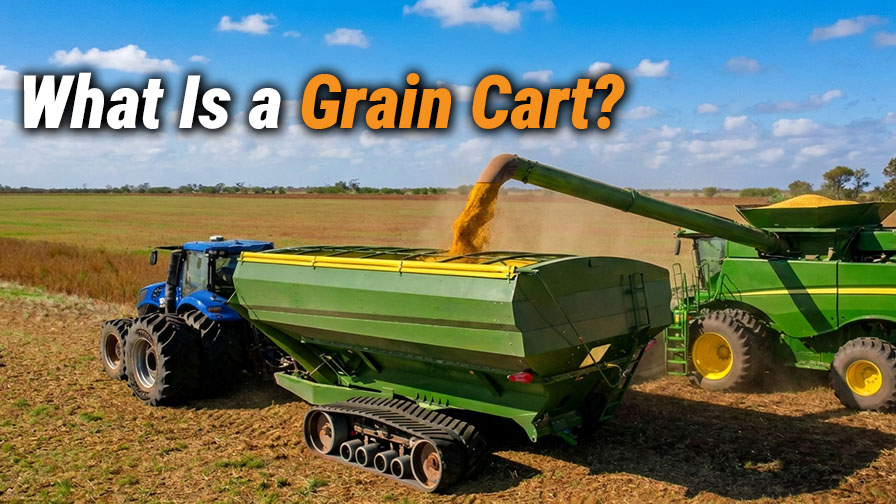
A grain cart keeps your harvest rolling by catching crops directly from a moving combine. This guide explains how these heavy-duty trailers work, their benefits over traditional wagons, and reviews the 8 biggest models.

3-Point Ballast Box: Fill weight, Hitch fit, and Towing Safety
Nov 19, 2026

3-Point Ballast Box: Fill weight, Hitch fit, and Towing Safety

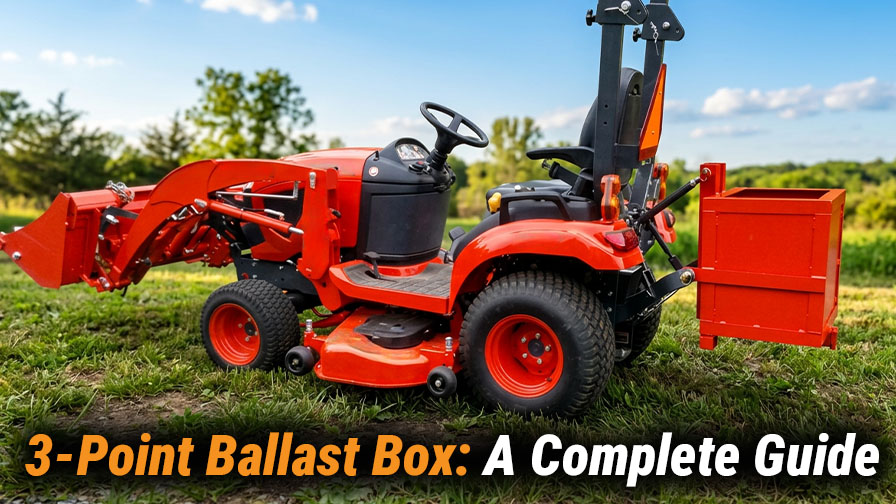
A full bucket loads the front axle with the material, the loader frame and much of the tractor’s own weight, so the rear tires go light and traction and braking go with them. A 3-point ballast box hangs weight behind the rear axle, which pushes the balance point back toward the middle; most compact tractor manuals list a minimum rear ballast for loader work, so look that figure up for your model. The weight keeps the rear tires planted, spares the front axle, spindles and wheel bearings, and makes the rear end less likely to lift when the bucket goes up, with the tractor steadier on slopes as well. Run enough years without it and the front end wears early: play in the steering or uneven tire wear points at spindles, bushings and bearings. Most boxes sold today also carry a 2 x 2 inch receiver, which saves you lowering the box, unpinning it and mounting a separate hitch every time a yard trailer or log cart needs to move. Keep in mind that a 3-point hitch moves up and down, so towing from it has limits.

What Is Corn Head Grease? John Deere Corn Head Grease Equivalent
Nov 18, 2026

What Is Corn Head Grease? John Deere Corn Head Grease Equivalent

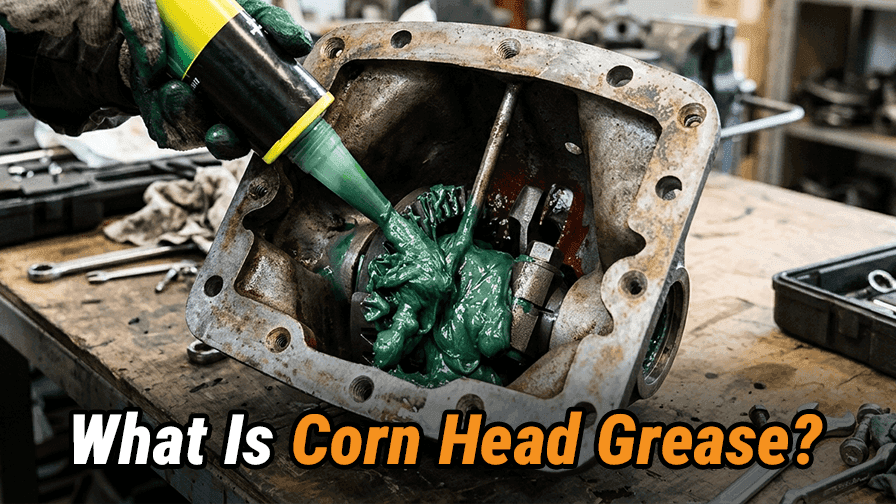
John Deere corn head grease is a semi-fluid NLGI 0 lube. It flows when hot and thickens when cold to stop leaks in older gearboxes.

ISO VG 46 Hydraulic Oil Equivalent
Nov 8, 2026

ISO VG 46 Hydraulic Oil Equivalent

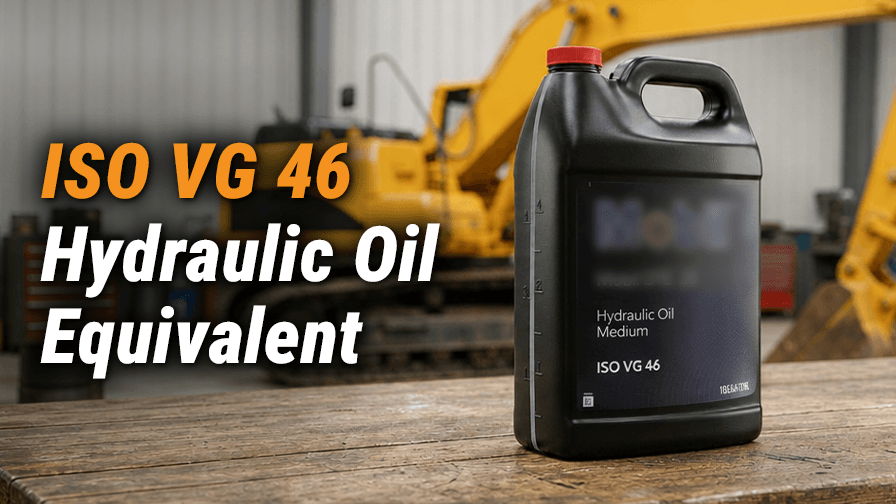
Finding the right ISO VG 46 hydraulic oil equivalent is crucial for heavy machinery. We cover top matches like Mobil DTE 25, explain viscosity grades, and highlight the risks of using SAE 20 or incorrect ISO fluids.

Boom Lift Repair and Maintenance Cost: What To Budget Each Year
Nov 6, 2026

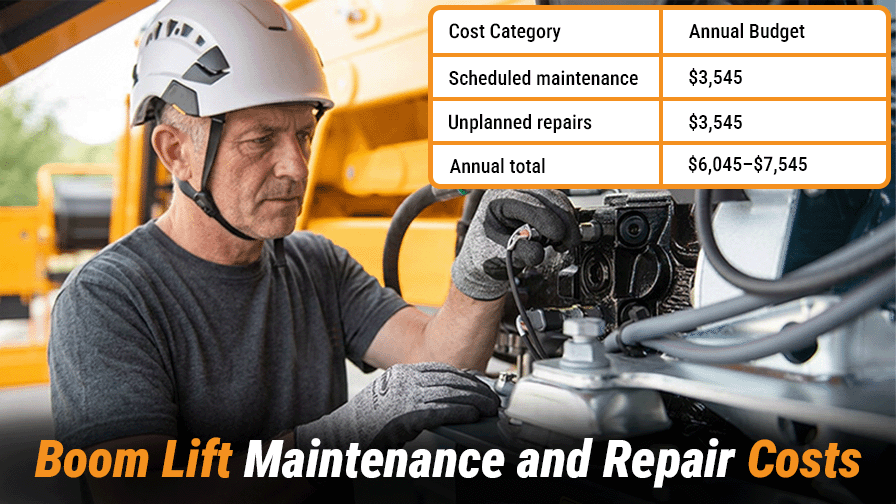
Boom Lift Repair and Maintenance Cost: What To Budget Each Year

Boom lift repair and maintenance cost. A mid-size telescopic boom runs about $3,500 to $4,500 a year in routine upkeep. Unplanned repairs add another $2,000 to $4,000. That lands near 4 percent of the machine’s new price. Keep scheduled service and surprise repairs on separate budget lines. The repair or replace decision gets clearer that way. Quarterly inspections, one annual inspection, and hydraulic fluid service on a 60-foot telescopic unit worked out to $3,545 in planned maintenance. That is the scheduled side only. With unplanned repairs included, the annual figure moves to $6,045–$7,545. Your number may be lower on a newer electric unit. It may run much higher on an older diesel with worn hoses, aging controls, and a thin service history. Hours matter too. A machine working 800 to 1,200 hours a year needs more attention than one used occasionally.

Bobcat Tractor Weight: Full Specs by Series and Model
Nov 5, 2026

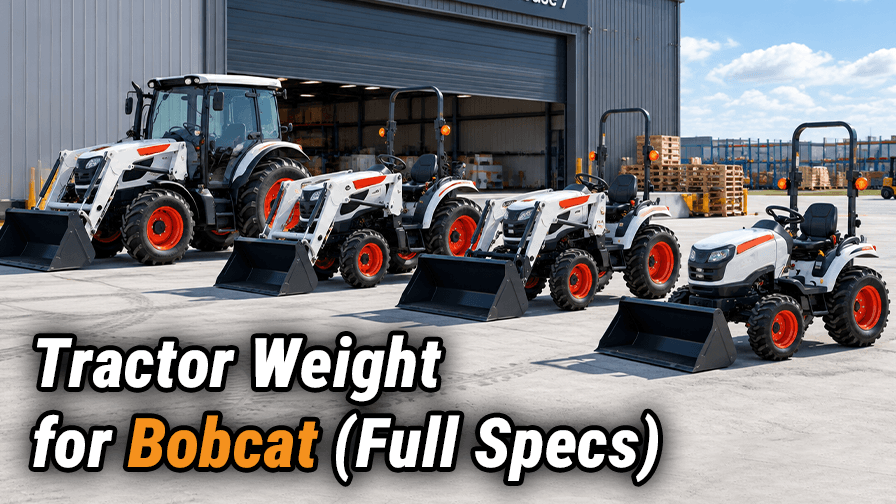
Bobcat Tractor Weight: Full Specs by Series and Model

Bobcat tractor weight. Base operating weight is where the arithmetic starts, not where it ends. Anything travelling with the tractor belongs in the total the trailer has to carry. Build the number in stages. Base operating weight. Tractor with fluids, no attachments. Operating weight with loader. Base plus front loader frame, arms, bucket, and quick-attach. Operating weight with backhoe and ballast. Previous stage plus rear backhoe or ballast box. Actual transport weight. Previous stage plus fuel, tools, and any mounted implements. For each attachment, pull the specification sheet for the exact model you plan to mount. A front loader for a CT2025 does not weigh the same as a loader for a CT5558. Published loader and backhoe weights are available from Bobcat for each matched combination. Use those numbers, not estimates. With an actual transport weight in hand, two totals need to be kept separate. Trailer load equals tractor actual transport weight. Combined tow weight equals trailer load plus trailer empty weight. Mix them up, and the rest of the calculation goes wrong. Start with the machine. 4,685 lb. Add the equipment trailer. 2,200 lb. That is 6,885 lb combined, before fuel, tools, or chains. Two numbers then have to work. The trailer’s payload rating covers the machine on the deck. The tow vehicle’s GCWR covers the whole combination. Trailer GVWR must exceed the combined tractor and attachment weight plus trailer tare. Payload capacity, not GVWR alone, must cover the load on the deck. Trailer axle ratings must support the loaded weight on each axle. Electric or hydraulic brakes should be rated for the maximum towed weight.

How Many Yards Is a Skid Steer Bucket? Bucket Capacity
Nov 5, 2026

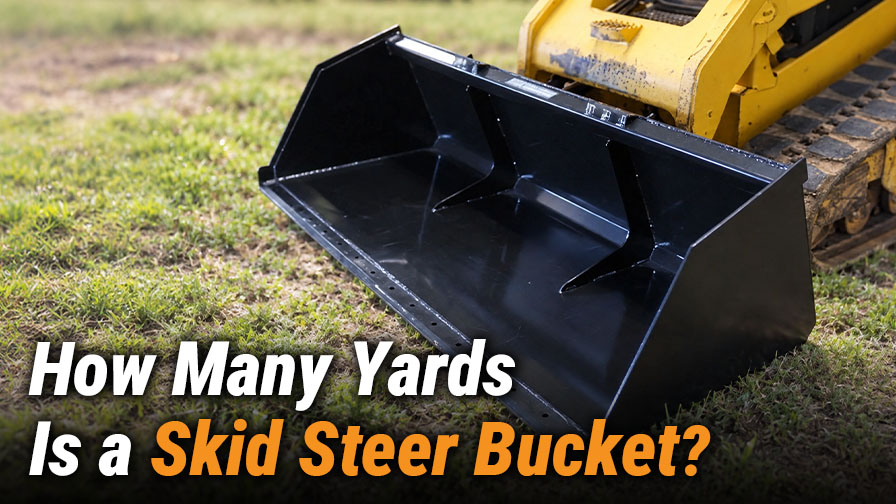
How Many Yards Is a Skid Steer Bucket? Bucket Capacity

How many yards is a skid steer bucket? Standard sizes range from 0.25 to 1 cubic yard. Discover how bucket dimensions, material weight, and your machine’s lifting capacity determine the perfect bucket for your jobsite.

John Deere Mini Excavator Sizes: A Complete Guide
Oct 30, 2026

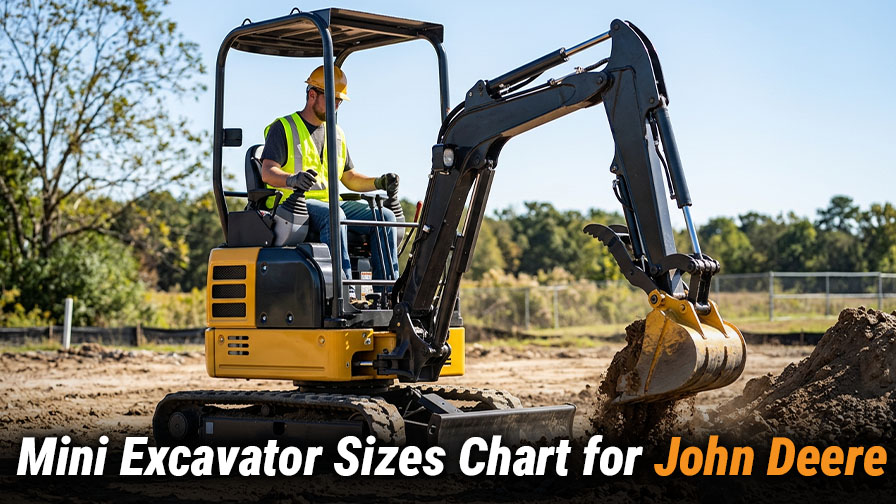
John Deere Mini Excavator Sizes: A Complete Guide

John Deere mini excavator sizes. The lineup has consolidated under the P-Tier badge. Seven models from 1.7 to 6.2 metric tons. The changes were modest. Better cab sealing. EH joysticks on the larger sizes. But the specs are what buyers actually compare. The 17 P-Tier is the narrow-access specialist. The variable-width undercarriage retracts to roughly 39 inches. With the blade folded, it clears a standard 36-inch gate. The 26 and 30 P-Tier sit in the most heavily rented class in North America. About 6,000 lb and 7,200 lb. Same engine family. Shared engine and hydraulic parts. Dig depth runs 8 ft 6 in to 9 ft 2 in. That covers most residential sewer taps, footings, and shallow utility runs. The 35 P-Tier shows up on urban job sites more than any other size in the range. Zero tail swing is the reason. Working parallel to an existing foundation is easier because the counterweight does not clip the wall on every rotation. The 50 and 60 P-Tier sit at the top of the compact range. Above 10,500 lb. A 35.9 hp engine on the 50. A 53 hp engine on the 60. Dig depth reaches 13 ft 6 in with the long stick. An enclosed, climate-controlled cab is standard on both.

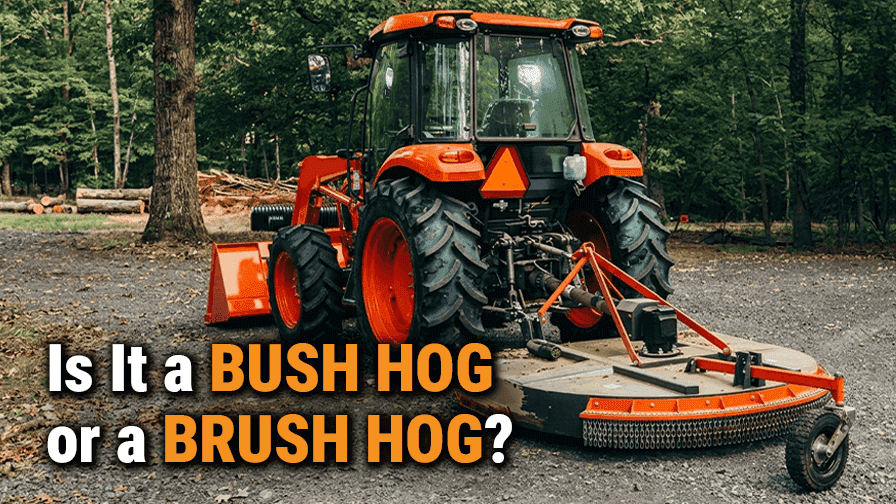
Is It a BUSH HOG or a BRUSH HOG?
Oct 28, 2026

Is It a BUSH HOG or a BRUSH HOG?

Confused by the bush hog vs brush hog debate? We break down the regional slang, explain how rotary cutters work, and help off-road machinery owners choose the right implement and replacement parts for their tractors.

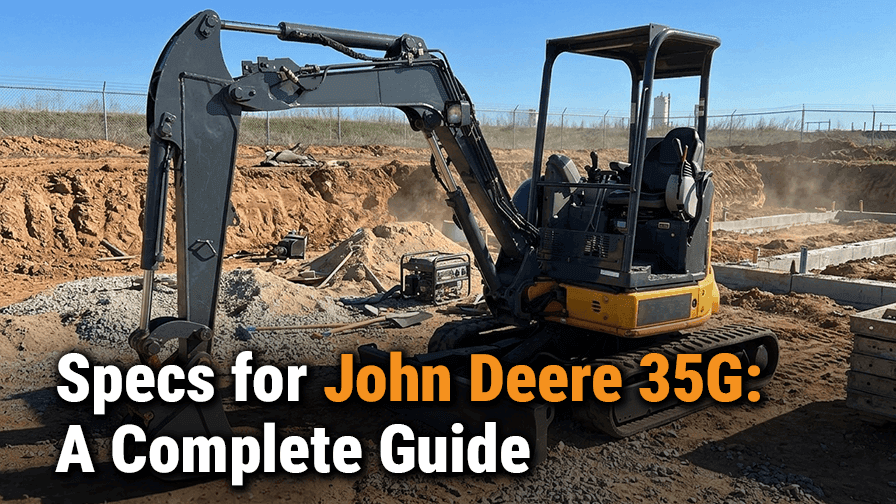
John Deere 35G Specs and Maintenance Guide
Oct 27, 2026

John Deere 35G Specs and Maintenance Guide

John Deere 35G specs. The width is one of its strongest selling points. 5 ft 9 in overall. That gets it into side yards, small building lots, and urban work zones without much trouble. Width alone will not answer every clearance question, though. Bucket position, thumb setup, and trailer deck height all have a say when the machine goes on the trailer.

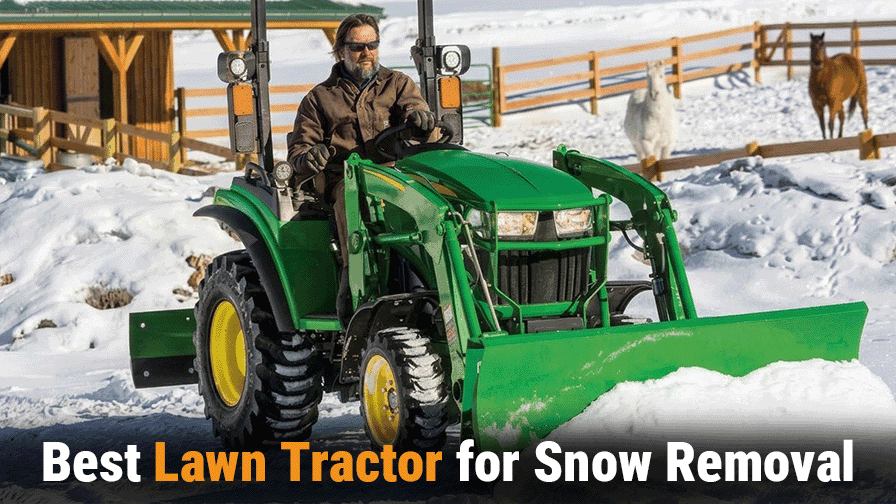
Best Lawn Tractor for Snow Removal?
Oct 27, 2026

Best Lawn Tractor for Snow Removal?

Finding the best lawn tractor for snow removal depends on your driveway size and local snowfall. Explore top heavy-duty models like the John Deere X500, learn why transmission strength matters, and get winter prep tips.