

Using the right amount of engine oil is essential for the smooth operation of your New Holland machines on the farm. However, you must never rely solely on a general series range to determine your oil fill volume. For example, while a New Holland T4 Series tractor is listed with a capacity of 7 to 9 liters, a T4.75 model with an FPT F5D engine requires exactly 8.5 liters (approx. 9.0 quarts), whereas a T4.100F requires only 6.76 to 10.04 quarts depending on the exact sub-model and oil pan configuration.
But how can you pinpoint the exact oil capacity for your specific model year, and what are the hidden warning signs on your dipstick that tell you your engine is already suffering from incorrect oil levels? In this guide, we’ll walk you through everything you need to know to find your exact New Holland engine oil capacity and keep your equipment running at peak performance.
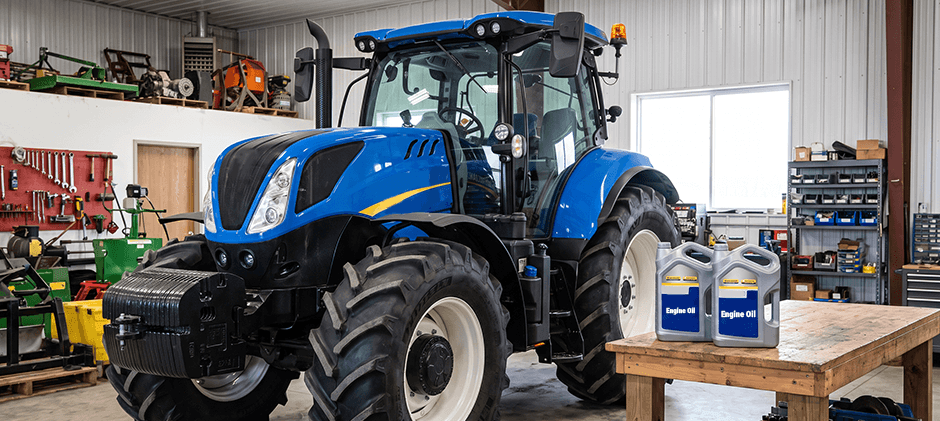
New Holland Engine Oil Capacity Chart
Accurate engine oil capacity management is crucial for proper lubrication, cooling and protection of your New Holland engine components. Here is a reference chart for popular New Holland models. Need quality New Holland replacement parts?
| Models/ Series | Equipment Types | Engine Oil Capacity |
|---|---|---|
| T4 Series | Compact Utility Tractor | 7-9 Liters |
| T5 Series | Utility Tractor | around 10.5 liters |
| T6 | All-Purpose / Utility Tractor | 13-16 Liters |
| TS6 | Value Mid-Range Tractor | around 15 Liters |
| T7 | Row Crop Tractor | 19-21 Liters |
| CR | Combines | 28-30 Liters |
| L218 /L228 | Skid Steer Loaders | 8 and 11 Liters |
Your model not listed in the table? Move on to the next part.
Where to Find the Oil Capacity of My New Holland?
Here are some reliable sources for your New Holland tractor’s engine oil capacity.
- Operator’s Manual: This is the most reliable source for accurate engine oil capacity information.
- Online Forums: If you don’t have the manual, you can go to tractor forums and online communities where there are discussions about oil capacity for specific models.
- Dealer Network: Your local New Holland dealer can also provide correct information about the engine oil capacity for you.
How to Check the Engine Oil Level for Your New Holland Tractor?
Ensuring your New Holland machinery has the right oil volume is more than just topping it up to capacity. You can follow these simple steps to check the oil levels:
- Park your New Holland on level ground to get an accurate reading
- Allow your engine to cool for 10 minutes or so for a correct reading
- Remove your oil dipstick, wipe it clean, reinsert it and pull it out again to check the oil level
- Top up the engine oil if the oil level is below the minimum mark
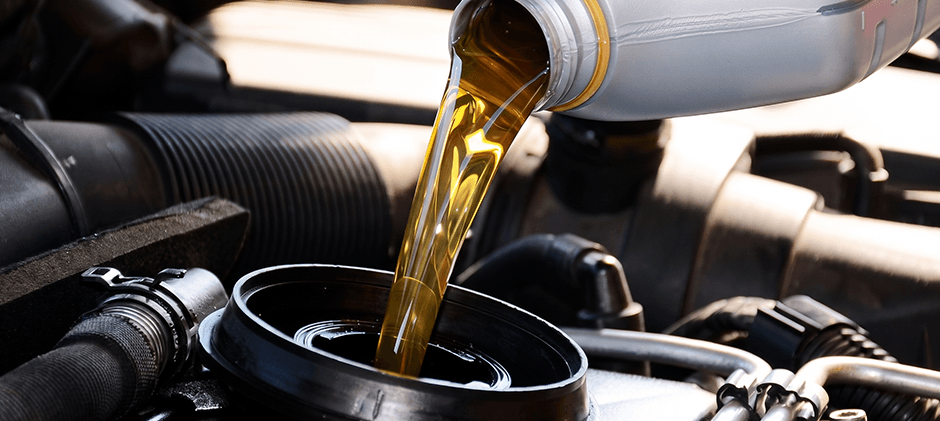
Signs You Need An Oil Change for Your New Holland
Here are some early signs telling you it’s time for the engine oil change to avoid engine wear and costly repairs.
- Dirty or Discolored Oil: If your engine oil looks dark or has a gritty texture, it’s time for a change.
- Weird Engine Noises: If you hear engine knocking sounds or tapping sounds, this could indicate insufficient lubrication due to old or low-quality oil.
- Excessive Exhaust Smoke: Blue or black smoke coming from the exhaust could indicate that the oil is burning in the engine, suggesting the need for an oil change.
- Oil Pressure Warning Light: If your dashboard’s oil pressure light comes on, check the oil level immediately. If the level is fine but the light stays on, the oil may be too old, so an oil change is necessary.
Step-by-Step Guide on New Holland Engine Oil Changes
Once you notice the signs of poor oil condition, you should change the engine oil immediately to prevent unexpected downtime. Here are general steps for a DIY oil change.
- Warm Up the Engine: You should run the engine for a few minutes to warm up the oil so that the oil can flow out more easily during the drainage.
- Apply the Right Oil: Always use the engine oil grade recommended by New Holland for your specific model, because the wrong type of oil can lead to poor performance and potential engine damage.
- Change the Oil Filter: We recommend replacing the oil filter during every oil change for reliable contaminant filtration and optimal engine performance.
- Drain the Oil Completely: Ensure that the oil is fully drained from the engine to avoid mixing new oil with old, contaminated oil.
- Top up to the Correct Capacity: Refill the engine with the recommended amount of oil while checking the level with the dipstick as you go.
See Related: How to Check the Oil Level and Read the Engine Oil Dipstick?
Why Regular Oil Maintenance Matters?
Regular engine oil maintenance delivers more benefits than you think.
- Improved Engine Efficiency: Clean, fresh engine oil helps reduce wear in critical engine components, allowing your New Holland engine to run more smoothly.
- Extended Equipment Lifespan: Regular engine oil changes reduce the wear and tear on your engine, prolonging the service life of your equipment.
- Fuel Efficiency: A well-maintained engine runs more efficiently, consuming less fuel and saving on operating costs.
- Prevention of Costly Repairs: Regular oil condition checks and changes can prevent serious engine problems that could lead to expensive engine repairs.
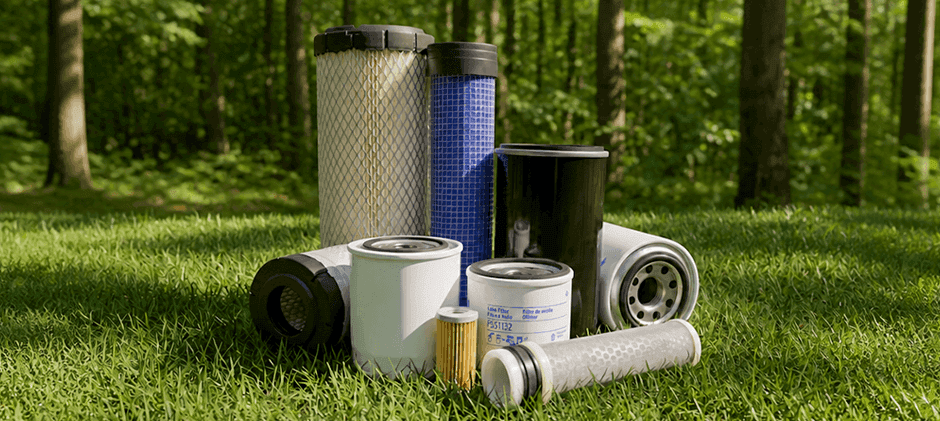
What Types of Oil Does Your New Holland Tractor Take?
New Holland tractors generally use multi-grade diesel engine oil, such as SAE 15W-40 or 10W-30. The exact oil type can vary depending on the model, operating conditions, and climate. Follow the oil specifications in your tractor’s owner’s manual. For extreme cold conditions, lighter oils such as 5W-30 may be recommended.
See Related: Is SAE 30 the Same as 10W‑30?
Wrapping up
Knowing the engine oil capacity of your New Holland machines is essential for proper maintenance and efficient operation of your equipment. Checking the oil condition regularly and changing engine oil as required are simple but critical steps for the extended service life and reliable performance of your New Holland. At FridayParts, you can explore a vast selection of quality New Holland replacement parts to ensure the reliability and durability of your machines.
