

Standard #2 diesel at gas stations is clear and made for road vehicles. But most farms carry cherry-red dyed off-road diesel. In this guide, we’ll explain the differences between off-road diesel vs regular diesel. Knowing which one to use saves you money and keeps you on the right side of the law.
What Is Off-Road Diesel?
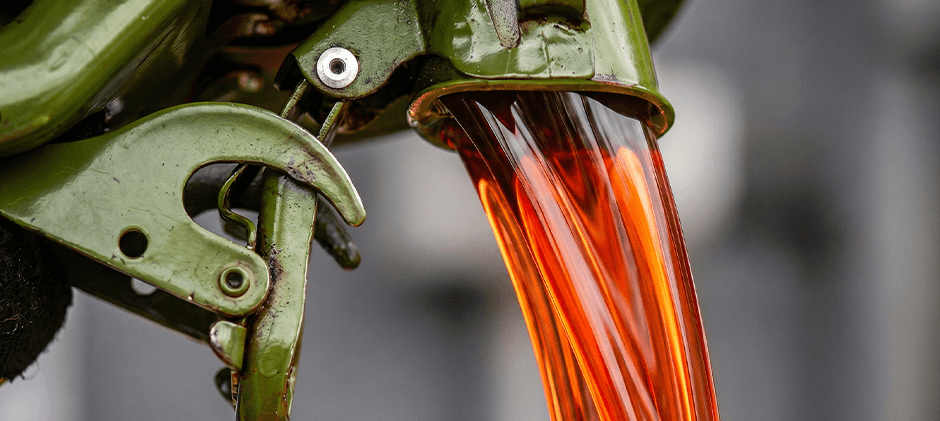
You might know it as off-road diesel, but people also call it red or dyed diesel. As the name suggests, it’s bright red. The dye doesn’t boost performance at all—it’s just there for tax and legal tracking. So what’s this fuel actually used for? It’s only meant for machines and vehicles that do not drive on public roads. Here are some common examples from farms and construction sites:
- Farm tractors
- Combine harvesters
- Bulldozers, excavators and other construction gear
- Generators
- Boats
It’s separated and dyed purely because of taxes. Regular road diesel has an extra tax added to pay for building and fixing public roads. Off-road gear doesn’t touch those roads, so red diesel skips that tax, costing way less per gallon.
What Is Clear Diesel?
Regular diesel is the clear, on-road fuel sold at every public gas station. It’s made for any registered vehicle you drive on highways, from semi trucks to diesel pickup trucks.
It’s called clear diesel because it’s pale yellow or light green—nothing like the bright red off-road diesel. You pay extra for it thanks to federal and state fuel taxes; that tax money pays to fix and build all our public roads.
On top of that, clear diesel has to follow strict EPA environmental rules. Every road-ready diesel in the US is ultra-low sulfur diesel (ULSD), capped at just 15 ppm sulfur. Extra refining cuts down toxic exhaust, so it burns cleaner for everyday highway use.
What’s the Difference Between Off-Road Diesel and Regular Diesel?
Both fuels come from the same base stock, yet they differ hugely in color, price and legal uses—every tractor owner should know this.
Color
- Manufacturers add red dye to off-road diesel so inspectors can spot it quickly. The dye doesn’t change the fuel’s performance or quality. It simply marks fuel that wasn’t taxed for on-road use.
- Clear road diesel has no dye at all, so authorities catch anyone illegally running red diesel on public roads right away.
Uses & Taxes
Clear diesel is taxed for highway vehicles, while red off-road diesel skips road taxes for farm/construction gear. Putting red fuel in a road truck counts as tax cheating.
Fuel Makeup & Performance
Lots of folks think cheaper red diesel is low-grade and will wreck engines, but that’s just a myth. Chemically, road and off-road diesel are nearly identical.
Back when diesel had more sulfur, it naturally lubricated engines. Once the EPA forced ULSD rules to cut pollution, every type of diesel got updated, not just road fuel. All US diesel now has low sulfur plus extra lubricants to safeguard fuel systems. You can safely run red diesel in tractors with zero worries about worse performance or engine damage.
Cost
Since it’s free of state and federal road taxes, it’s 30 to 80 cents cheaper per gallon, depending on where you live.
Is It Legal to Use Off-Road Diesel on the Road?
You cannot use red off-road diesel in any truck you drive on public roads—it’s totally illegal. Even a single fill-up of dyed diesel in your pickup counts as tax fraud. The red dye is super easy to spot. State police and DOT officers can pull random checks, sticking test strips into your fuel tank to look for that red tint.
- Big fines: At a minimum of $10 per gallon your tank holds or a $1,000 flat fee, whichever is higher. Repeat violations cost way more.
- Vehicle seizure: Some areas let officials take your truck outright.
- Owed taxes plus extra fees: You’ll have to pay all the road taxes you skipped, plus interest and extra penalties.
Bottom Line
For tractors and other off-road equipment, tax-free red diesel is a safe and cost-effective choice when it’s legal to use. Using the right fuel is an important part of keeping your equipment running well. Regular maintenance matters too. When it’s time to replace worn parts, FridayParts offers quality aftermarket parts for tractors and heavy equipment at competitive prices.
