

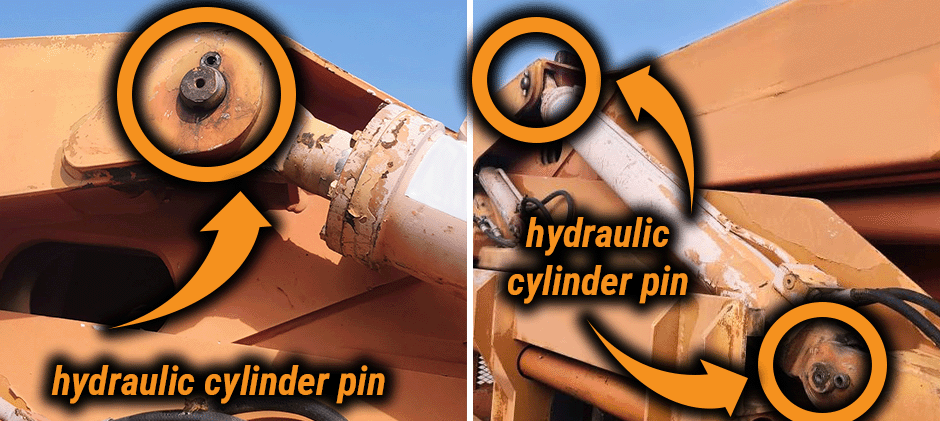
Are you struggling with a stuck hydraulic cylinder pin on your excavator, backhoe or other heavy machinery? You’re not alone. Many fleet owners may resort to the “heat and hammer” methods that are seemingly helpful. In fact, this traditional method isn’t as practical as you thought. Another safer method is to check the ought-to-be-removed pins first and use a puller for this purpose. In this guide, we will present the reasons and the safest way to remove seized cylinder pins.
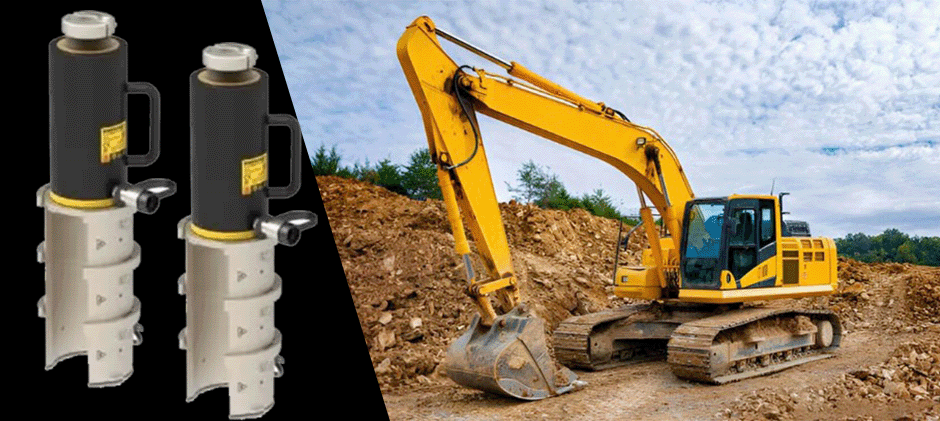
Why Do Your Hydraulic Cylinder Pins Get Stuck?
Before grabbing your tools, it helps to understand what causes your hydraulic cylinder pins to get stuck. Here are three major factors:
- Interference Fit: The snug fit of your cylinder pins helps ensure they don’t work loose during operation. That’s why they are engineered to be extremely tight-fitting, making cylinder pin removal so challenging.
- Corrosion & Contamination: Your heavy-duty equipment, like an excavator or a backhoe, works in the harshest conditions, which are fraught with dirt, debris, chemicals and moisture. The long-term exposure to these elements can cause rust and scale to build up, effectively “welding” the pins to the housing.
- Extreme Temperatures: Constant heating and cooling cycles cause metal expansion and contraction, locking the pin in place.
- Poor Accessibility: The cylinder pins of your equipment are often located in hard-to-reach areas, making it difficult to remove pins manually.
Risks of Manual Cylinder Pin Removal
Traditionally, many fleet owners would force the seized cylinder pin manually from its mounting simply by heating the pin and striking it with a large hammer. Where pins become stuck, applying direct heat should cause the pin to contract slightly, allowing the pin to move again. They also will weld threaded bolts to the pin, using the pecker fitting on a mini digger or even using a jackhammer to deliver vibration and force directly onto the head of the pin.
While these methods can work, with these brute force methods come potential problems:
- Safety Risks: Swinging heavy sledgehammers or using lancing torches poses high risks of impact injuries, burns and repetitive strains.
- Equipment Damage: One missed hammer blow can deform the pin head, damage the cylinder housing, or bend surrounding linkages, leading to expensive repairs. Shop quality hydraulic cylinder parts here.
- Time Waste: Manual pin pulling often requires multiple workers and hours of downtime, stalling your entire job site.
How to Remove the Stuck Hydraulic Cylinder Pin?
So, is there another efficient way to rid yourself of pin-pulling struggles?
Yes. The modern, professional standard is using a “hydraulic pin puller”. It replaces brute force with controlled, high-pressure hydraulic power, making the pulling job safer, faster and damage-free. Here are steps to remove a stuck hydraulic cylinder pin the wise way.
Clean and Inspect the Area
Before starting, clear away grease, dirt and debris around the pin and collar. Check for any retaining bolts, snap rings or cotter pins that should be removed first.
Set Up the Hydraulic Pin Puller
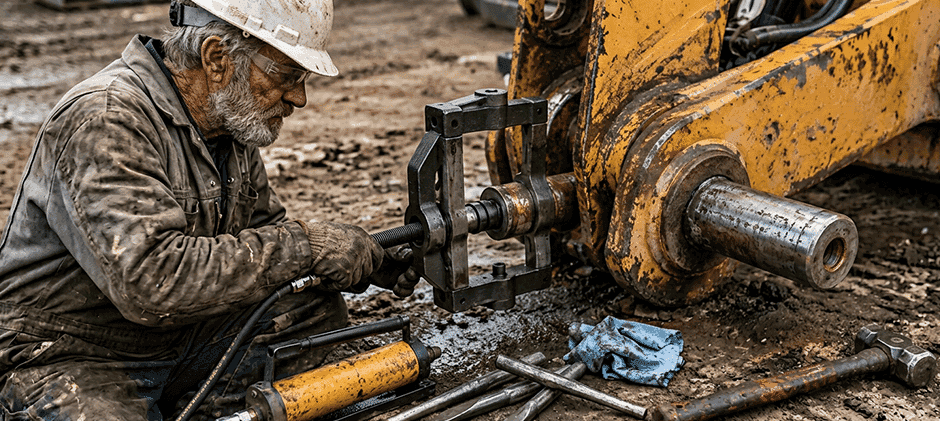
Instead of swinging a hammer, you need to mount the compact hydraulic puller directly onto the pin. You will need to thread the appropriate adapter or quick nut onto the end of the stuck pin, place the receiving sleeve/bridge over the cylinder joint and connect the puller cylinder to a portable hydraulic pump.
Apply Controlled Pressure
Slowly engage the hydraulic pump and the tool will exert tons of linear force directly along the axis of the pin. Because the force is perfectly aligned, there is zero risk of bending the pin or damaging the cylinder ears.
Extract the Pin
As the pressure builds, the stubborn pin will “pop” free and slide smoothly out of the housing into the receiving sleeve. The entire extraction process takes less than 5 minutes and can be done safely by a single operator.
Wrapping up
Now you know the new easy way to get your stuck hydraulic cylinder out. Just go for it! At FridayParts, you can source a vast selection of heavy-duty tools and replacement parts for maintenance and repairs. You can also stay tuned to our blogs for more practical tips for your DIY work on your heavy machinery.
You Might Also Like
What is a Hydraulic Cylinder With Diagram?
How to Remove Hydraulic Cylinder End Cap?
How to Bleed a Hydraulic Cylinder With & Without a Bleeder Valve?
