

A time delay relay works just like a regular relay to control electric circuits, but it won’t switch power on or off instantly. It waits for a preset time first before changing circuit status. On diesel machines, this timed delay is widely used for engine pre-heating, letting cooling fans keep running briefly after engine shutdown, and protecting the starting system. It makes all parts work in proper sequence and avoids equipment damage caused by sudden power switching.
What Is a Time Delay Relay?
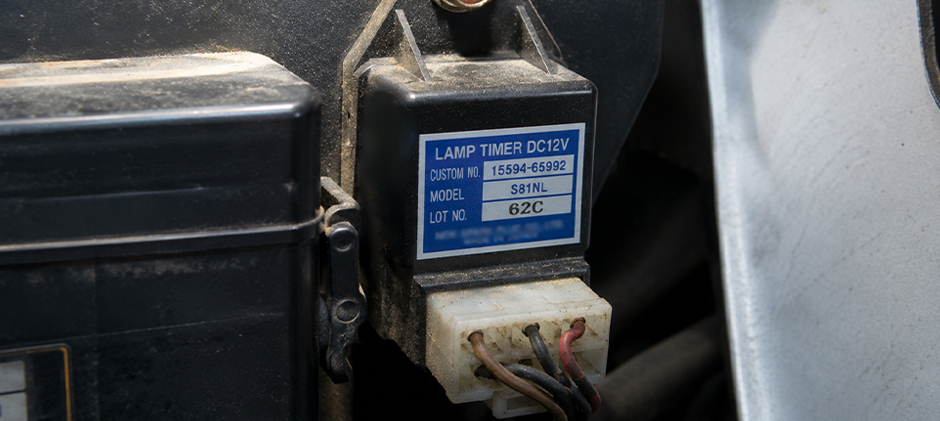
A time delay relay, or timer relay, is an electric switch with a built-in timer. Regular relays turn on or off right away once they get a signal, but this one waits a set time before working. It lets machine electric parts run step by step in proper order.
Take an easy example: a work light lights up instantly when you flip the switch. But for diesel engines, glow plugs need time to warm up before the starter kicks in, and this wait is controlled by the time delay relay. There are two main types used on heavy machines:
- On-delay relay: It starts timing after getting a signal, and activates the circuit only after the set time ends. Mostly used for glow plug preheating.
- Off-delay relay: It keeps the circuit powered for a while after the signal cuts off, then shuts it down. Common for turbo cool down after engine stop.
Timing control matters a lot on heavy equipment. It protects engines, keeps operators safe and extends the service life of parts. This relay exactly takes charge of all these timing jobs. It controls not only whether parts work, but also when they work, so it’s an essential part for modern construction and farm machinery.
How Does a Time Delay Relay Work?
We can break down how it works in 4 easy steps, using the common on-delay relay for glow plugs as an example.
Step 1: Send Out the Control Signal
Turn the ignition key to ON, and a weak electric signal goes from the ignition switch to the relay. This activates its built-in timer, but won’t send power to glow plugs right away.
Step 2: Start Timing
The timer starts counting down once it gets the signal. The delay time is fixed or adjustable, usually 5 to 15 seconds for glow plugs. While counting down, no power goes to glow plugs, and the wait-to-start light stays on the dash.
Step 3: Relay Connects Power
When the set time is up, the relay closes its heavy-duty contacts. Large current flows from the battery to heat up glow plugs and warm the engine combustion chamber. Meanwhile, the wait-to-start light turns off to tell you preheating is finished.
Step 4: Relay Resets
The relay keeps supplying power as long as you leave the key at ON. Once you start the engine or turn off the key, the control signal stops. The relay resets immediately, contacts open to cut power to glow plugs, and it gets ready for the next use.
This working process keeps all startup steps in the correct order, protects the engine and ensures smooth engine starts in all weather.
Common Applications of Time Delay Relays
Time delay relays are widely fitted on all kinds of heavy equipment, and lots of key systems depend on their timing function to work properly. Though used in many fields, they are made tough enough to fit rough working conditions on off-road machines.
- Glow plug control for engines: This is the most common and important use on diesel equipment. It supplies power to glow plugs for just the right length of time to heat engine cylinders, making cold starts much easier. Without this delay, the engine will be hard to start, and it will wear out the starter and battery faster.
- Engine post-shutdown protection: Turbo engines need extra care after stopping. The off-delay relay keeps cooling fans or auxiliary oil pumps running for a while after engine shutdown. This stops leftover heat inside the turbo from burning oil and causing clogging, which effectively avoids early turbo damage.
- Cab heating and cooling control: On cold days, it stops the blower fan from blowing cold air right away after you start the machine. It waits until the engine warms up a little first, so you get warm air quickly and stay comfortable in the cab.
- Delayed lighting function: Most new machines use timer relays to keep cab lights and work lights on for 30 to 60 seconds after you turn off the engine. This exit delay lets you get off the machine and walk away safely in dark places.
Can You Bypass a Time Delay Relay?
If your machine won’t start out on site, you may want to skip the faulty delay relay directly. You can use a jumper wire to connect power straight to the related parts, but this is only for quick troubleshooting, never a permanent solution.
- Risk of Component Damage: For example, keeping glow plugs powered nonstop by bypassing the relay will burn them out. A simple relay issue will turn into a costly repair job.
- Defeating Engine Protection Functions: Bypassing the turbo cooling delay relay will let high heat damage the turbo, which may cause serious and expensive breakdowns later on.
- Safety Risks: Many relays work with safety lock systems. Skipping them may make the machine run abnormally.
The right way is using the jumper wire just to check if the accessories like cooling fans or glow plugs work normally. If they run well with direct power, you can confirm the relay is broken. Then remove the jumper wire right away and fit a new relay properly.
Wrapping Up
Time delay relays deliver power in accurate order to protect core systems and boost working efficiency. FridayParts keeps plenty of reliable, cost-effective relays in stock. They fit most major brands of heavy equipment perfectly.
