

A tractor alternator charges the battery and runs the electrical system. That’s its only job. This guide tells you how to diagnose a bad alternator, what to check before ordering, and which type fits your machine. Buy the right part once and keep the machine moving.
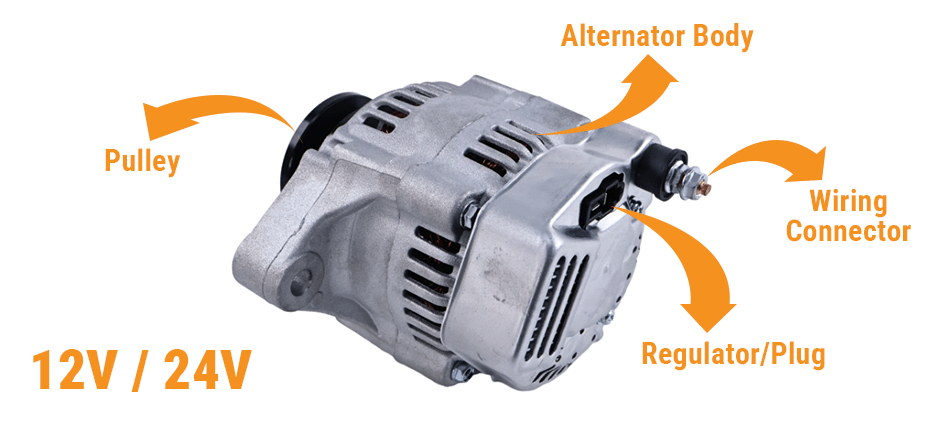
Signs of a Failing Tractor Alternator
A dead battery does not always mean a bad alternator. Many charging problems start somewhere else. That is why the first step is diagnosis, not ordering.
A tractor alternator often fails in clear ways:
- Battery keeps going flat after charging
- Warning light stays on
- Lights dim at idle or under load
- Voltage stays low after startup
- Cab fans, sprayer controls, or monitors cut out
- Battery smell or hot cables appear after running
Start with a simple voltage check. A healthy charging system usually shows a higher voltage with the engine running than when the engine is off. If voltage does not rise, the charging system needs attention.
Still, the alternator is only one part of that system. Before buying replacement electrical parts, check these items first:
- Battery condition
- Belt tension and belt wear
- Cable corrosion or loose terminals
- Ground connections
- Regulator and plug condition
- Pulley alignment
Once the worn component is identified, whether it is the belt tensioner or pulley, replacing it with quality tractor aftermarket parts restores reliable charging. This matters even more with off-road equipment. Dust, vibration, and long hours at low RPM can stress the charging system in ways that road vehicles do not see.
Quick Symptom Check
| Symptom | Likely Cause | First Check |
|---|---|---|
| Battery dies overnight | Weak battery or drain | Battery test and cable check |
| Low voltage while running | Tractor alternator or regulator issue | Charging voltage at battery |
| Belt squeal | Loose belt or pulley issue | Belt tension and pulley wear |
| Lights dim under load | Low output or poor connection | Output test and terminals |
| Charging light stays on | Wiring, regulator, or alternator fault | Plug, wiring, and voltage test |
If the machine has added work lights, cab accessories, or electronic controls, the charging issue may also be due to an undersized unit. In that case, the answer is not just a new alternator. The answer is the right output rating.
That leads to the buying side.
What To Check Before Buying A Tractor Alternator?
Fit comes first. Output comes second. Price comes after that.
Many buyers search by machine model only. That helps, but it is not enough. A tractor alternator replacement should match the electrical system and the mounting setup, not just the brand name on the hood.
Check these five points before ordering:
1. Voltage
This is the first filter. Most small and mid-size tractors use 12-volt systems. Some larger agricultural and industrial machines use 24-volt systems. A mismatch here will cause immediate trouble.
2. Amp Rating
The amp rating should match the real load. More amps are not always better. A basic tractor with lights and normal starting needs less output than a unit running sprayer pumps, extra lights, fans, or monitors.
3. Mounting Style
Look at the housing, ear spacing, bolt size, and clock position. Two alternators can look similar online and still mount differently.
4. Pulley Type
Check groove count, pulley width, and whether the part includes a pulley. Some listings sell the alternator without one.
5. Plug And Regulator Style
Connector shape matters. Internal and external regulator systems are not the same. A plug mismatch can stop charging even when the unit bolts on.
The safest buying path is this:
- Match the OE or reference part number first
- Confirm machine make and model second
- Compare voltage, amps, plug, and pulley third
- Use photos only as the final check
This is where high-coverage alternator parts catalogs help. A listing with fitment details, application notes, and reference numbers reduces guesswork.
Pre-Order Checklist
| Item To Verify | Why It Matters |
|---|---|
| Machine make and model | Basic fitment step |
| Engine model | Some machines use engine-based alternator setups |
| Part number | Best way to narrow the match |
| Voltage | Prevents system mismatch |
| Amp rating | Supports real electrical demand |
| Pulley style | Affects belt fit and speed |
| Plug type | Affects charging function |
| Mounting pattern | Affects installation |
A farm tractor alternator for a simple field machine may not be the right choice for a loader tractor with extra work lights and long idle time. That difference is often missed on general shopping pages. Finding the right farm tractor parts starts with matching the part to the machine’s actual workload, not just the model number.
How to Choose The Right Output?
Output should match use. This is one of the most important buying decisions.
Many search results show 20 amp, 55 amp, 75 amp, 100 amp, and even much higher options. That range confuses buyers. The fix is to think about load, not just product ranking.
A standard-duty tractor often does well with normal output. A machine with extra electrical demand may need more. Common load increases include:
- LED work light bars
- Enclosed cab fans
- Sprayer controls
- Monitoring systems
- Winches
- Extra charging demand from repeated starts
Here is a simple way to think about it.
Output Guide By Use Case
| Equipment Use | Electrical Demand | Better Choice |
|---|---|---|
| Basic utility tractor | Low to medium | Standard output |
| Compact tractor with light accessories | Medium | Standard or mid output |
| Loader tractor with added lights and cab accessories | Medium to high | Mid output |
| Off-road diesel equipment with multiple add-ons | High | High output if the system supports it |
Higher output has limits. Belt grip, wire size, battery health, and engine idle speed all affect charging performance. If the system is weak elsewhere, a larger replacement alternator may not solve the problem.
That is why heavy equipment owners should ask one more question before buying:
Is the charging system underpowered, or is one part failing?
If the machine only started showing problems recently, failure is more likely. If problems began after adding accessories, the system may need a different output level.
This is also the right point to inspect nearby charging system parts such as belts, connectors, battery cables, and regulators. A new alternator works best when the rest of the system is in good shape.
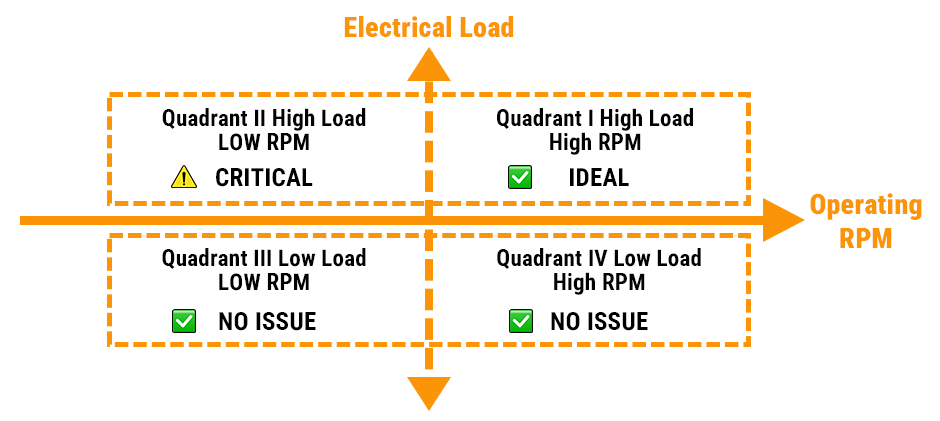
Common Tractor Alternator Types And Wiring Basics
Type matters. Wiring matters too. Many buying mistakes happen here.
When searching for a tractor alternator, buyers often see several terms:
- 1-wire alternator
- Internal regulator alternator
- Permanent magnet alternator
- Delco-style alternator
- Bosch, Denso, Mahle, or Iskra application types
- Generator conversion kits
These terms are not just marketing labels. They affect installation and use.
Common Types At A Glance
| Type | Best Known For | Buying Note |
|---|---|---|
| 1-wire alternator | Simpler wiring on some conversions | Not ideal for every setup |
| Internal regulator alternator | Common modern setup | Check plug match |
| Permanent magnet alternator | Seen on some compact equipment | Match exact application |
| Delco style unit | Common in conversions and older equipment | Verify pulley and hookup |
| Generator conversion kit | Upgrading older systems | Check brackets and wiring path |
A same-style swap is usually easier than a conversion. Replacing one internal regulator alternator with another matching unit is far simpler than changing from a generator system to an alternator system.
That said, generator-to-alternator conversions remain common on older tractors. The reasons are practical:
- Better charging at working speeds
- Easier parts sourcing
- Simpler service in some setups
Wiring should never be guessed. Wrong connections can cause no-charge issues, warning lights, or damage to related tractor electrical parts. If the machine uses an external regulator, confirm whether the new unit keeps that setup or replaces it with an internal regulator design.
Also pay attention to pulley alignment. A correct electrical match can still fail early if the belt runs out of line.
Best Buying Strategy
The best purchase is the one that prevents repeat downtime. That means buying for work conditions, not just for the checkout price.
Off-road and heavy equipment use puts more stress on charging parts. Machines see dirt, heat, moisture, vibration, long idle periods, and seasonal storage. All of those conditions affect alternator life.
A practical buying process looks like this:
- Confirm the current part number
- Verify voltage and output rating
- Check mounting and connector details
- Review the machine’s real electrical load
- Compare supplier inventory and application coverage
This process helps whether the machine is a compact tractor, farm tractor, loader tractor, or another piece of off-road diesel equipment.
It also helps to buy from a source with broad heavy equipment parts coverage. Wide fitment support makes it easier to match parts across brands such as John Deere, Kubota, New Holland, Case, Massey Ferguson, Mahindra, Yanmar, and Deutz-related applications.
Common Buying Mistakes
- Buying by appearance only
- Ignoring voltage system differences
- Choosing the highest amp unit without checking belt and wiring
- Forgetting pulley and plug details
- Replacing the alternator before testing the battery and cables
A good tractor alternator replacement should do more than bolt on. It should charge well at real working RPM, support the machine’s electrical load, and fit the operating conditions of off-road equipment.
There is one final point worth keeping in mind. Search results for tractor alternator often lean heavily toward online marketplaces and broad category pages. Those results are useful for seeing options, but they do not always explain which unit suits a hard-working machine. A better buying decision comes from matching fitment details with load demand and work conditions.
Final Words
A properly matched tractor alternator supports uptime, stable power, and consistent starting in field or jobsite conditions. For reliable aftermarket parts, FridayParts combines broad inventory, brand compatibility, and straightforward fitment guidance. The right replacement eliminates guesswork and keeps the machine ready when you need it.
