

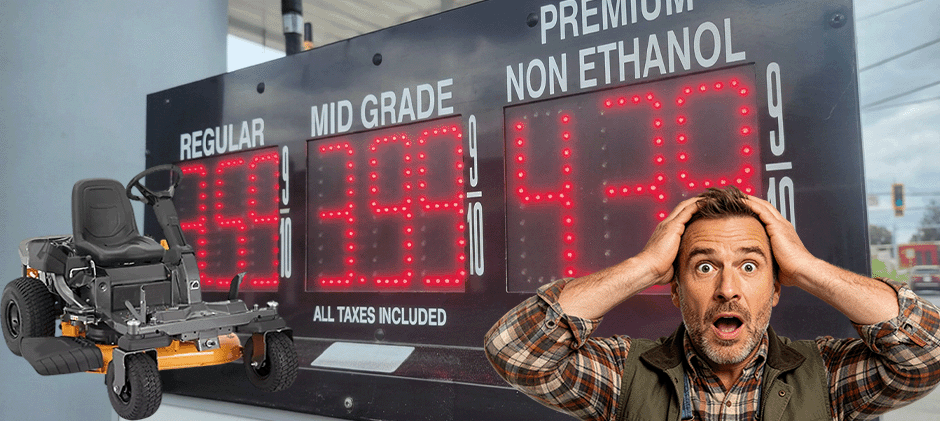
Is it really worth the cost to spend extra on non-ethanol gas, or are you better off running over a stack of cash with a lawn mower? In this guide, we’ll dive into ethanol vs. non-ethanol gas and tell you which is better for you.
What Is Ethanol?
Ethanol fuel, a gas additive, is considered a renewable fuel that meets environmental standards and reduces carbon emissions under the Renewable Fuels Standard in the United States. Nowadays, the gas you pump from almost every gas station contains a blend of gasoline and ethanol. The percentage of ethanol blend is indicated by E number. For example, E10 means the gas mixture contains 90% gas and 10% ethanol.
What is Non-ethanol Gas?
Non-ethanol fuel, akaethanol-free gas or pure gasoline, is simple gasoline that hasn’t been blended with ethanol. It’s the same petroleum-based fuel your vehicles would have used before ethanol blends became standard. This ethanol-free fuel is typically offered at select stations and is sometimes labeled as “Recreational Fuel” or “REC-90”. It’s generally marketed toward drivers with specialized engines or older vehicles.
Why Is Ethanol in Gas Bad for Small Engine Equipment?
In automobiles, ethanol fuel won’t cause much harm to your engine. However, the gas-ethanol mixture risks your outdoor equipment, like lawn mowers, chainsaws, trimmers and leaf blowers. The alcohol content in ethanol blended fuel attracts moisture from the air, causing corrosion and poor combustion. Over time, it can lead to engine damage and costly repairs.
Is Non Ethanol Gas Better?
In most cases, non-ethanol gas is better for your outdoor small engine equipment. Here are some benefits of non-ethanol gas.
- Prevents fuel line and carburetor damage
- Minimizes carbon deposits, clogs and residue in the engine, reducing maintenance needs (See How to Clean Lawn Mower Carburetor?)
- Burns cleaner and provides better engine performance for 2-stroke and 4-stroke power equipment
- Lasts longer for up to six or more months
Not all machines require ethanol-free fuel. Many outdoor equipment benefit from it, including lawn mowers, leaf blowers, trimmers, chainsaws, snowblowers and motorcycles. If your machine is used occasionally or sits idle for long stretches, using non-ethanol fuel can prevent costly repairs.
Are There Any Drawbacks?
Despite many benefits from non-ethanol gas, there are a few things to consider:
- Limited availability at some gas stations
- Higher cost than regular gas
Still, for most small engine users, the benefits outweigh the minor inconveniences.
Key Difference between Ethanol vs Non Ethanol Gas?
The table below breaks down the major differences between non-ethanol vs ethanol gas.
| Comparison | Non Ethanol | Ethanol |
|---|---|---|
| Main Component | Pure gasoline only | Gasoline mixed with plant-derived alcohol |
| Moisture Absorption | Does not easily absorb water, reducing moisture-related problems | Ethanol absorbs moisture from the air, which can cause fuel contamination and corrosion |
| Corrosion Risk | Lower corrosion risk and better protection for engine components | Higher risk of corrosion, especially in small engines and fuel systems |
| Shelf Life | Can remain stable for a longer time | Degrades faster, especially when stored for long periods |
| Engine Compatibility | Generally more compatible with small engines and outdoor equipment | Some small engines may have difficulty running smoothly with ethanol blends |
| Power Output | Higher energy density and more consistent power delivery | Lower energy density, providing slightly less energy per gallon |
| Fuel Efficiency | Usually provides better fuel efficiency | May reduce fuel economy because ethanol contains less energy than gasoline |
| Environmental Impact | Produces more petroleum-based emissions | Can help reduce greenhouse gas emissions because ethanol is renewable |
| Cost | Usually more expensive due to higher production and refining costs | Usually cheaper because ethanol is less expensive and often subsidized |
| Combustion Performance | Burns more consistently and efficiently | Does not burn as completely as pure gasoline and may create deposits in some engines |
| Best Use | Better for lawn mowers, chainsaws, generators, tractors, and other small engines | Suitable for modern vehicles designed for ethanol blends |
Is Non-Ethanol Gas Worth the Extra Cost?
So, when it comes to your outdoor tools and equipment, is ethanol worth the investment?
It’s not a yes or no answer. It depends on your equipment and how often you use it. For small engines, non-ethanol gas is often worth the extra cost. Ethanol can absorb moisture over time, which may lead to fuel system problems, clogged filters, harder starts, and faster wear on engine parts. Many users find that their equipment runs more smoothly and has fewer issues when using ethanol-free gasoline.
However, you don’t always need to use non-ethanol gas for every piece of equipment. If you use your tools frequently and burn through fuel quickly, regular ethanol-blended gasoline may work just fine and save you money.
Where non-ethanol gas really makes a difference is during long-term storage. If your lawn mower, blower, generator, or other equipment will sit unused for several months, ethanol-free fuel can help prevent fuel-related problems and make it easier to start the engine when you need it again.
In short, paying extra for non-ethanol gas is usually worth it for small engines and long-term storage, but it may not be necessary for everyday use.
Where to Get Non-Ethanol Gas?
While ethanol-blended fuel is everywhere in the market, ethanol-free gas is still available. In the United States, you can find non ethanol gas for lawn mower and other outdoor equipment at the following places:
- Recreational fuel pumps at select gas stations
- Marinas and powersports dealerships
- Websites like Pure-Gas.org that list local sources
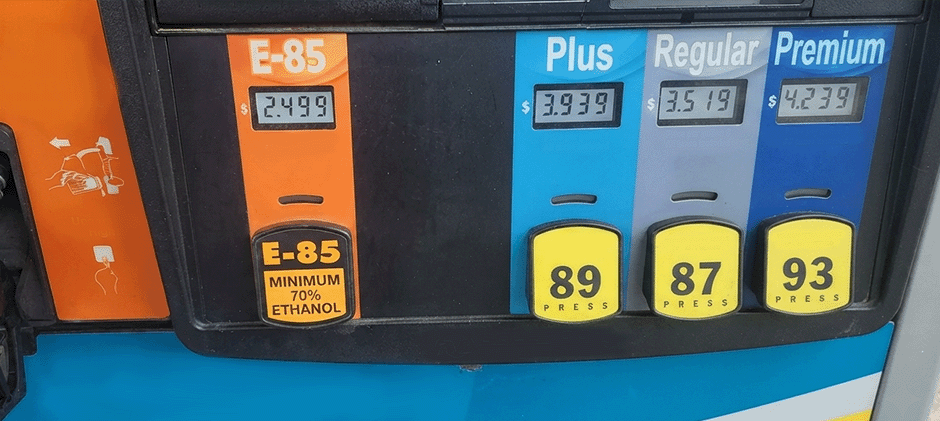
Non ethanol gas is often more expensive by $0.50 to $1.00 more per gallon. And the maintenance savings and performance boost can easily outweigh the extra cost. You shouldn’t always use non ethanol gas if you frequently use your machine and do regular maintenance and inspection of your fuel. Just choose to use it during long-term storage for saving purposes.
Tips for Fueling Small Engines
To keep your small engine, such as a mower, running smoothly and extend its life, follow these simple fuel tips:
- Use fresh gas and avoid old or stored blends
- Add fuel stabilizer before seasonal storage
- Run the engine after adding stabilizer to protect the fuel system
- Drain the fuel tank if storing equipment seasonally
- Choose ethanol-free for long-term performance
- Keep equipment stored in a dry and clean location
- Use ethanol-free gas for equipment that sits unused for months
- Replace old fuel before starting your equipment after storage.
Read What Is Fuel Stabilizer and How Do They Work?
Frequently Asked Questions about Non-Ethanol Gas
How long does non-ethanol gas last?
Ethanol-free gas typically lasts 3 to 6 months. You can extend the time to 12-24 months by adding fuel stabilizer. Its actual lifespan heavily depends on how well the fuel is stored and what container is used.
Should I use non-ethanol gas in my lawn mower?
Yes, ethanol-free gas is significantly better for lawn mowers. Ethanol attracts moisture and breaks down quickly, which can gum up carburetors, degrade fuel lines, and cause starting issues. Using non-ethanol fuel prolongs the engine life of your mower and eliminates the need to constantly drain fuel or add stabilizers during storage.
Can you mix ethanol and non-ethanol gas in a lawn mower?
Yes, you can safely mix ethanol and non-ethanol gas in your lawn mower. Modern mower engines are designed to tolerate up to E10 (10% ethanol) fuel. However, it is highly recommended to use pure, non-ethanol gas whenever possible to prevent the fuel from absorbing moisture and damaging small engine carburetors.
Is Non-Ethanol Fuel Better for the Environment?
This depends on how you look at it. Supporters of ethanol appraise its renewable fuel status and potential to reduce greenhouse gas emissions, while non-ethanol gas is more energy-dense and efficient, which means your equipment may use less of it to achieve the same output. For small engine equipment, while ethanol-blended gasoline is greener in theory, it’s not always cleaner in practice because the small engine may release more pollutants when they fail due to ethanol-related issues.
Bottom Line
So, is non-ethanol gas better for small engine equipment, like mowers? The answer is yes. While ethanol-blended gasoline has a place in today’s market, ethanol-free gas remains a wise choice for those who use outdoor small engine equipment. Whether you use a mower, chainsaw, or ATV, using non-ethanol gasoline can extend the life of your gear and help avoid costly repairs. It’s better to use non-ethanol gas with fuel stabilizer for long-term storage. At FridayParts, you can source a vast selection of small engine equipment parts, like mower replacement parts and more. Stay tuned to our blogs and learn more about equipment maintenance and repairs.
