

How to Dispose of Gas?
Learn exactly how to dispose of gas safely without damaging your off-road equipment or the environment. This guide covers taking stale fuel to hazardous waste facilities, handling 2-cycle oil mixes, and what to avoid.
All
Learn exactly how to dispose of gas safely without damaging your off-road equipment or the environment. This guide covers taking stale fuel to hazardous waste facilities, handling 2-cycle oil mixes, and what to avoid.
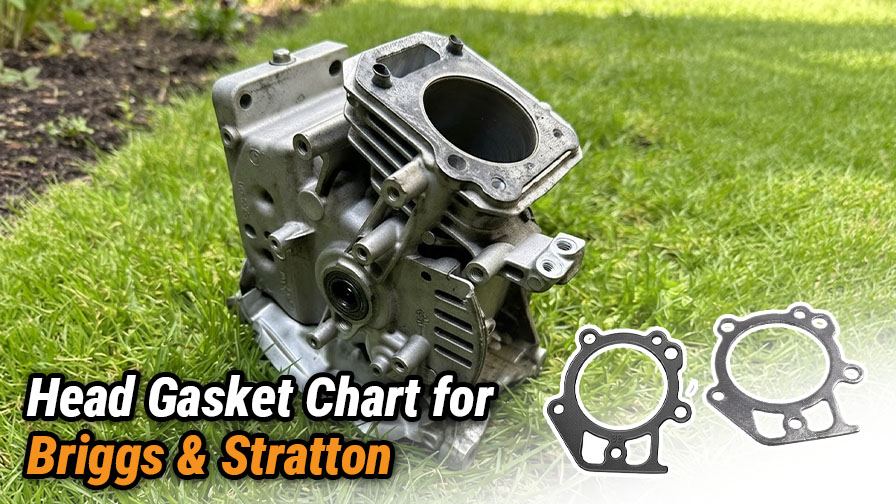
Briggs and Stratton head gasket chart. Two pairs get confused often. The 794114 and 796584 fit the same general cylinder deck shape. But you cannot use one in place of the other. The 794114 has the number 33 stamped into the metal body. The 796584 has no stamp in that location. The wide reinforcement tabs sit in different positions around the bore. The oil return holes line up slightly differently. The 693997 and 693397 pair is the same kind of mix-up. The 693997 fits most 400000 and 440000 engines. The 693397 covers the 44P777 and a few related Type codes. Both look similar in outline. But the combustion opening diameter and bolt spacing are different enough to cause weeping leaks right away. Always read all six digits when searching or ordering. A chart gets you most of the way.

Wondering what does it mean to delete a diesel? It involves removing restrictive emissions hardware like the EGR and DPF, then reprogramming the ECU. Discover the pros, cons, and legal risks for your off-road machinery.

Briggs and Stratton model number location. The ID is usually on the engine itself. Not the machine frame. Check these spots first. Top of the blower housing. Valve cover. Metal shroud near the spark plug. Recoil starter housing. Side of the fuel tank. Small metal tag near the starter. Sometimes the numbers are stamped into metal. Other times they are printed on a label. Older engines may have a worn tag that is still readable after a quick wipe. Once you find it, you will usually see three lines. Model, type, and code. Each line matters. Many people copy only the model number and leave the rest. That is where fit issues start. The model number tells you the engine family. The type number gets more specific. It can separate one carburetor setup from another. The code number points to the production run. One common mistake is assuming all three lines are optional. They are not. Record the full set exactly as shown.

Husqvarna deck belt diagram by model and deck size. Two decks can look identical and still use different routing. That is the trap. Start with the deck size. Then the model number. Then the pulley layout. The 42- and 46-inch decks use one group. The 48- and 54-inch decks use another. The Z248F zero-turn has its own. Common models are YTH18542, YTH22V46, YTH24K48, YTH2348, LGT2654, and Z248F. The diagram shows the path. It does not show belt length. Those vary. Check the V side and flat side. The V side goes in grooved pulleys. The flat side runs on flat idlers. Check the tension arm and keeper rods.
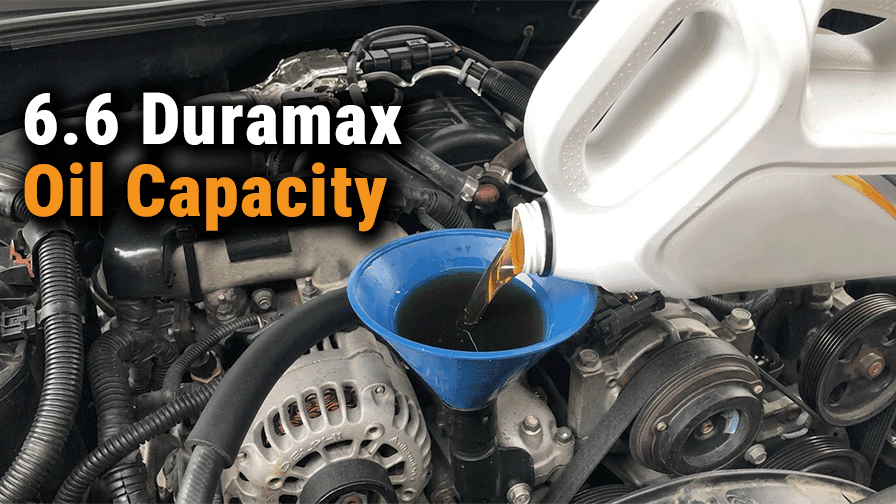
Maintaining your heavy-duty truck is easy when you know the facts. The standard 6.6 duramax oil capacity is exactly 10 quarts across almost all generations. Discover the best oil types and follow our DIY oil change guide.
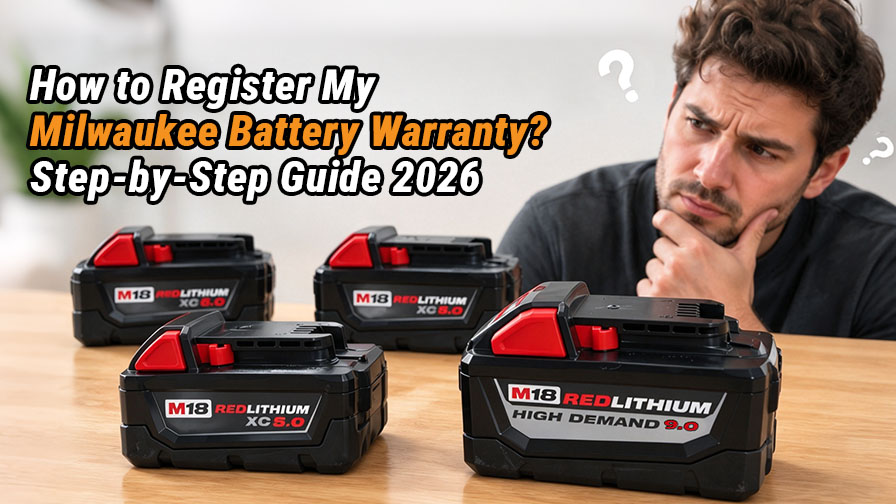
When you buy a battery from Milwaukee and want to register it on the official website, it’s essential to grab a number of key bits of information for battery warranty registration. But it’s not always that clear. So, you must understand the labels on the battery. Here is an example picture showing the labels and key information on the bottom of an M12 HP5 amp battery:
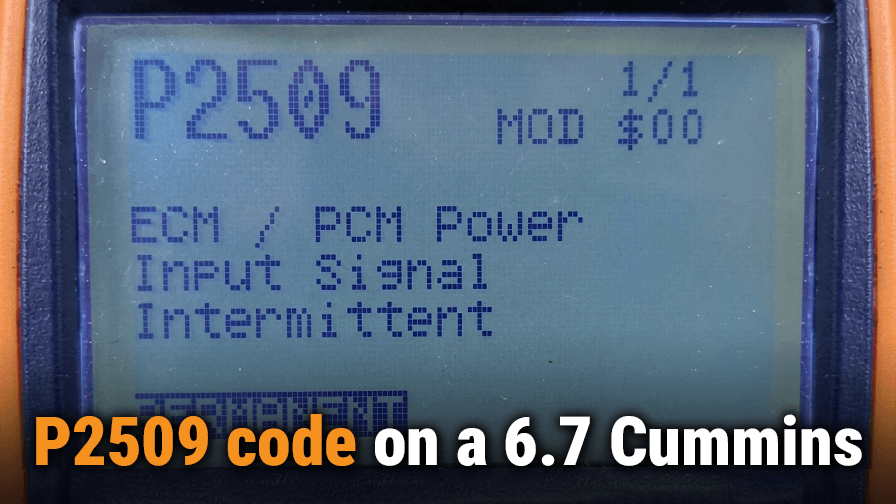
Seeing the P2509 code on a 6.7 Cummins means your engine control module is losing power intermittently. This guide covers the common symptoms, root causes like failing batteries or bad grounds, and step-by-step fixes.

Kohler engines perform best when equipped with the right oil filter. While OEM Kohler filters ensure reliable performance, aftermarket alternatives provide flexibility, availability and economy. By using the Kohler cross-reference chart, checking oil filter specifications carefully and performing regular engine oil and filter maintenance, you can protect your Kohler engine and extend its service life. If you unfortunately got a failed oil filter, you can explore a vast selection of quality oil filters from FridayParts at an affordable price. Explore now and enjoy smooth operation.
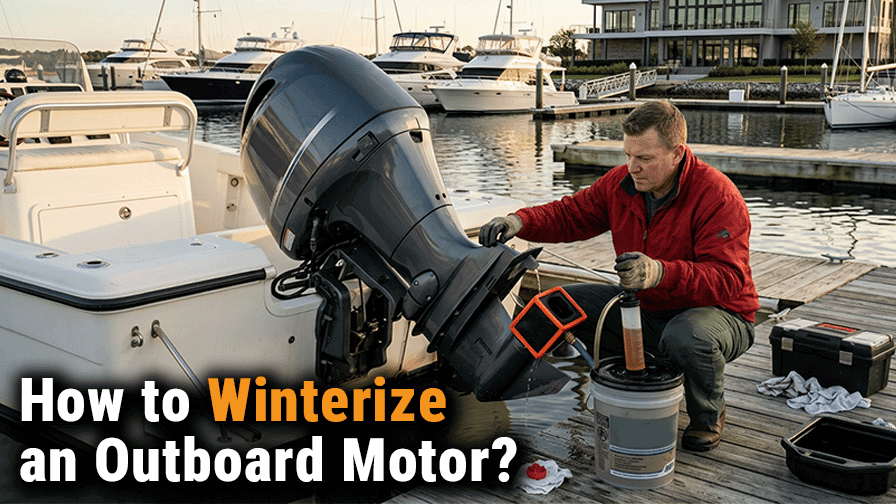
How to winterize an outboard motor. Spring problems usually start with a missed step in fall. Running on muffs without enough water flow. Forgetting to circulate stabilized fuel. Using the wrong fogging method on EFI models. Leaving old gear oil in the lower unit. Storing the motor tilted up for months. The fix is a set order. Stabilize the fuel. Flush the cooling system. Fog the engine. Change engine oil on 4-strokes. Replace lower unit gear oil. Grease key points. Disconnect the battery. In freezing climates, run marine antifreeze through the cooling passages after flushing. Check the tell-tale stream during flushing. Let the motor drain fully after shutdown. Store it vertically.

Can you use impact sockets on a ratchet? Yes! While designed for power tools, their durable build makes them perfectly safe for hand ratchets. Discover the pros, cons, and why they are a smart choice for your toolbox.

Hey there, fellow lawn warriors! If you’re here, chances are your Ariens Ikon XD 52″ zero-turn mower suddenly stopped cutting, or you heard that dreaded squealing sound of a worn-out belt. Don’t panic! Replacing or rerouting a deck belt might look like a giant, confusing puzzle, but it’s actually a quick DIY job once you know the secret path. In this quick guide, we’re breaking down the exact Ariens Deck Belt Diagram so you can get your mower back on the grass in no time.